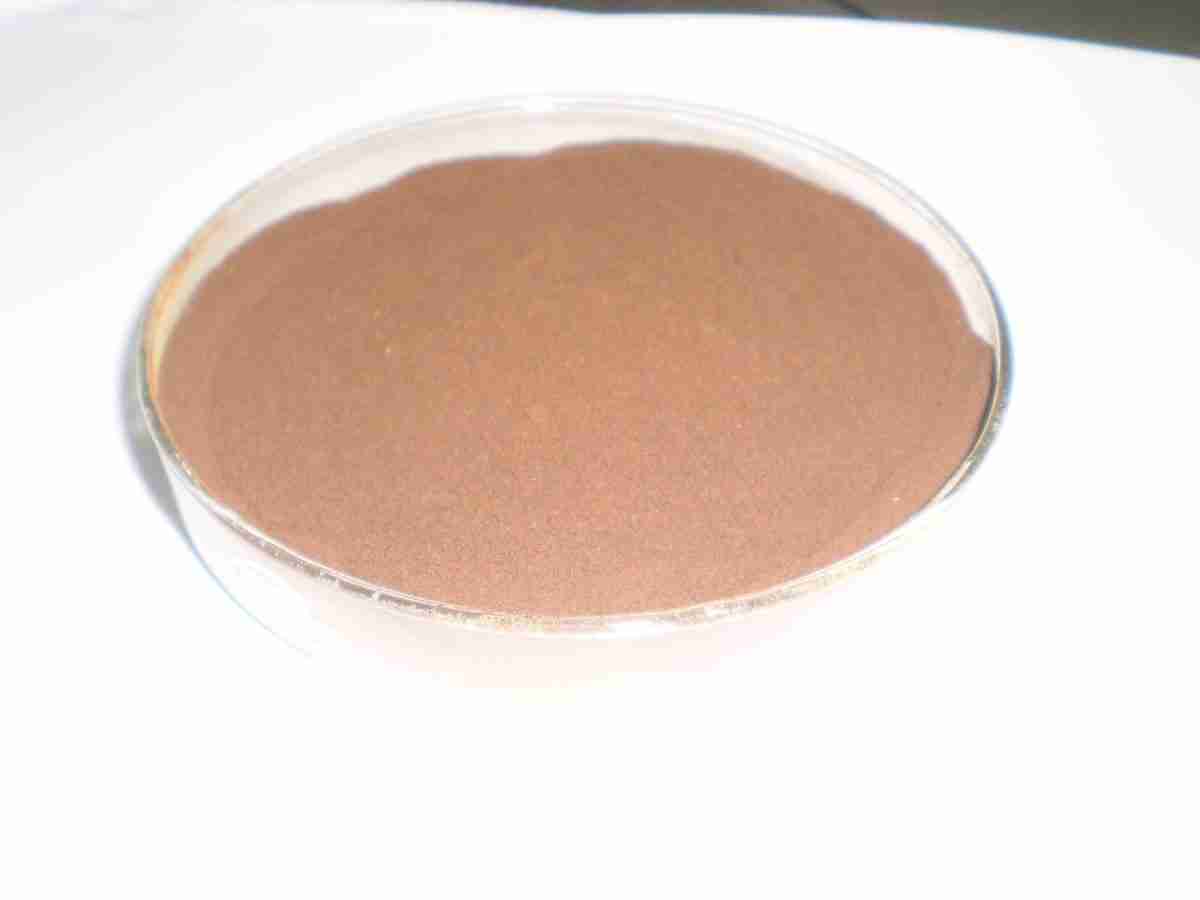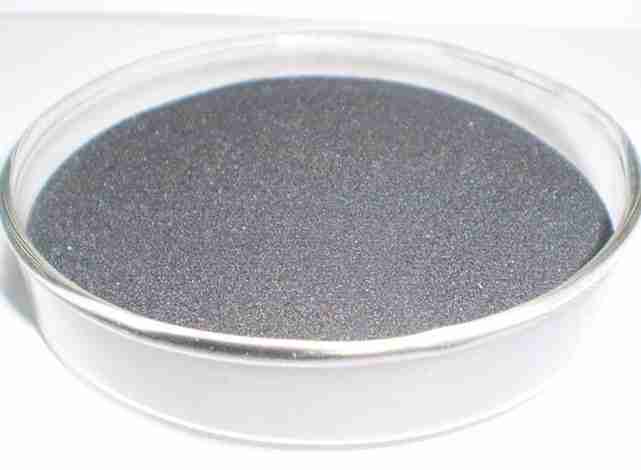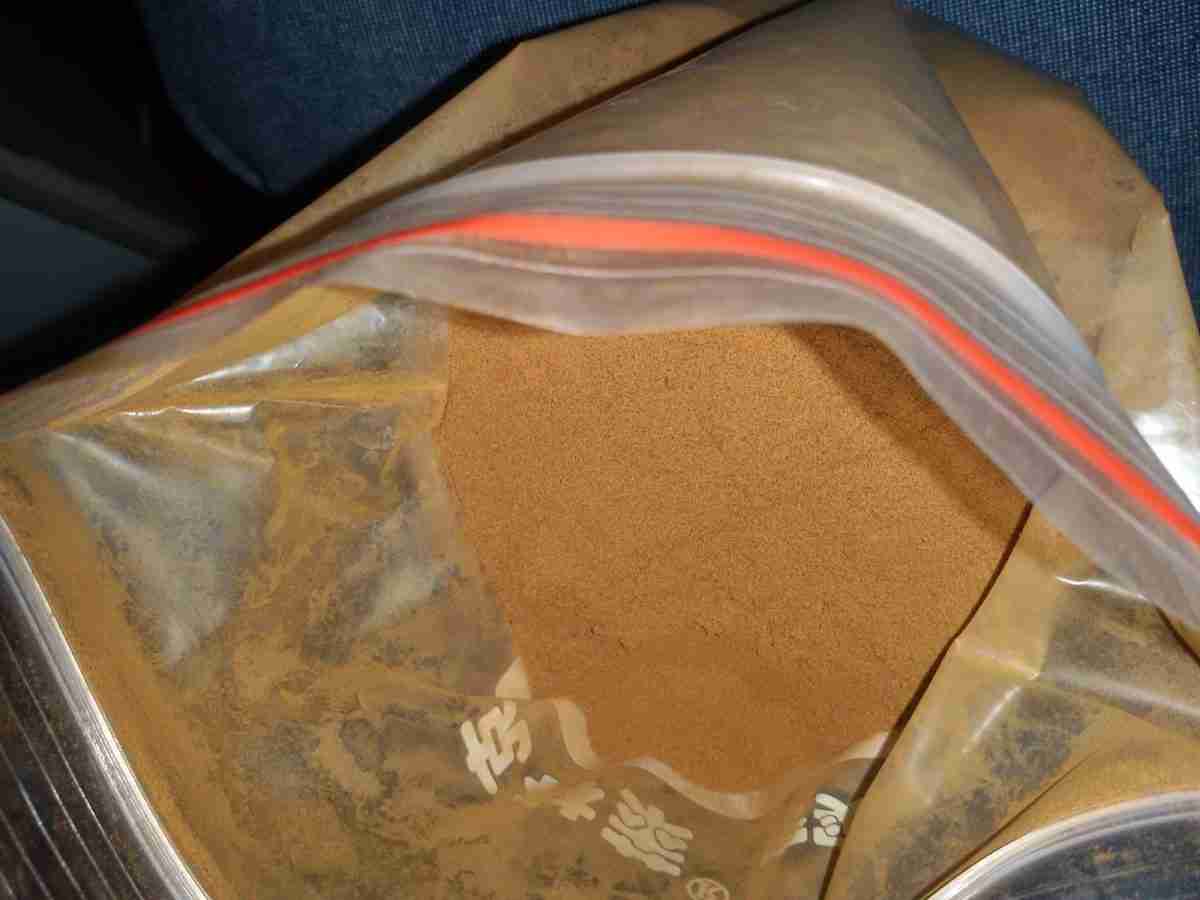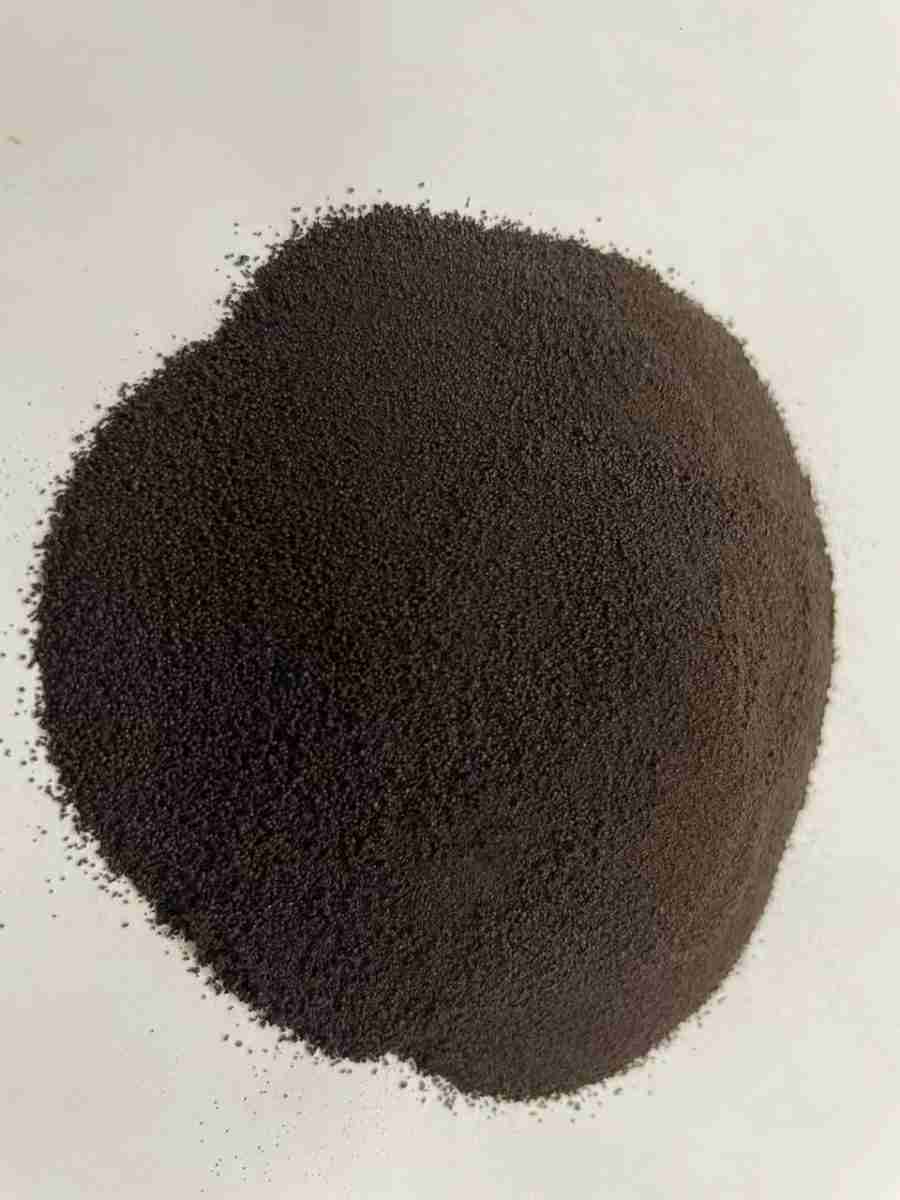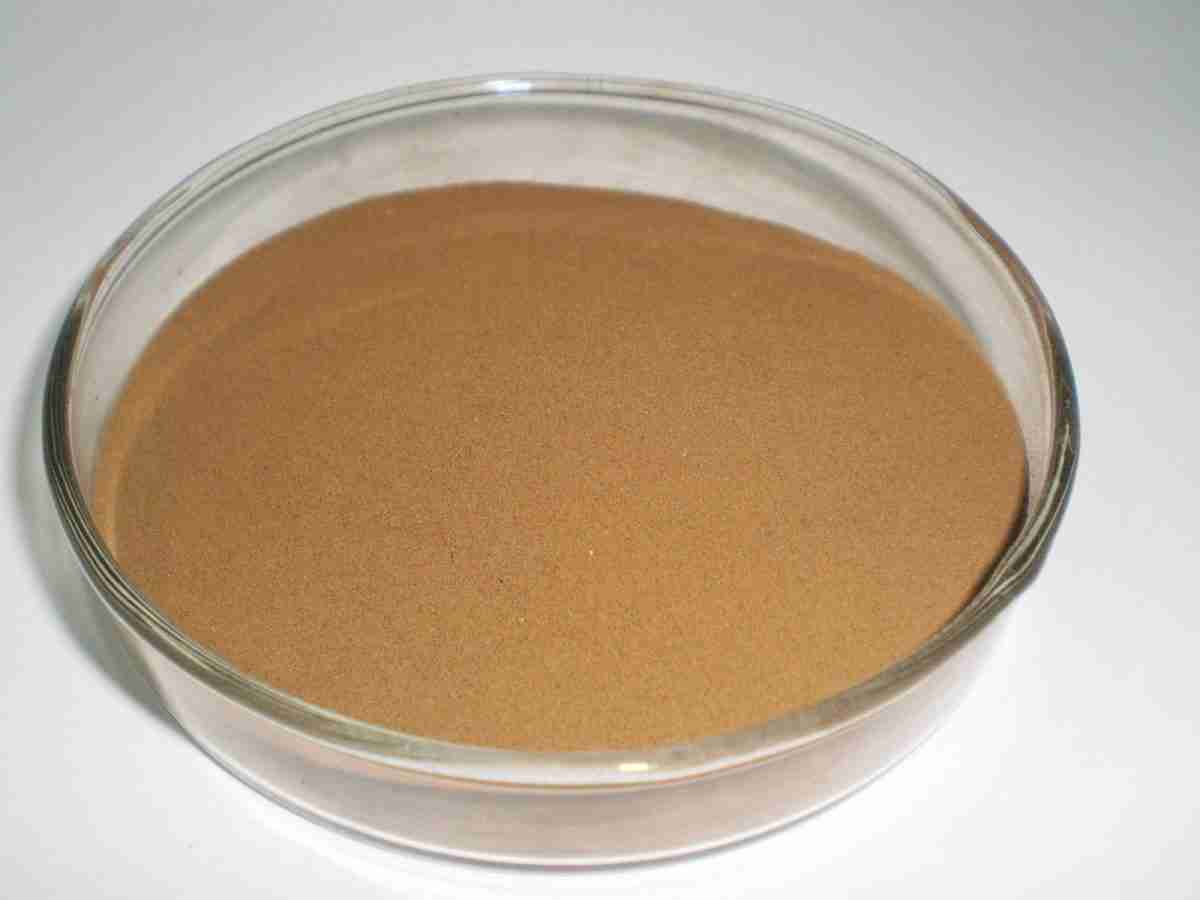


Lignosulfonates, renewable byproducts of sulfite pulping, are water-soluble polyelectrolytes used as sustainable binders in resin synthesis, particularly for adhesives in wood products, particle boards, and phenolic resins. Derived from lignin, they offer cost-effective and eco-friendly alternatives to synthetic binders.
Synthesis and Modification
Lignosulfonates are produced during sulfite pulping, yielding salts like sodium, calcium, or ammonium lignosulfonate. To enhance their suitability as resin binders, they undergo modifications to improve reactivity and compatibility with resins like phenol-formaldehyde (PF) or urea-formaldehyde (UF):
- Chemical Modification:
- Hydroxymethylation: Adds hydroxymethyl groups (-CH2OH) to increase crosslinking sites for formaldehyde-based resins.
- Phenolation: Reacts lignosulfonates with phenol (e.g., 100–120 °C, pH 9–10) to improve reactivity so that part of the phenol in PF resins can be replaced; substitution levels reported in the literature vary widely with lignin type and resin use.
- Oxidative Degradation: Uses hydrogen peroxide (H2O2, 60 °C, pH 10) to reduce molecular weight, enhancing reactivity for foaming resins.
- Grafting: Attaches polymers like polyethylene glycol (PEG) to improve thermoplasticity and mechanical properties.
- Physical/Biological Modification:
- Ultrafiltration: Separates lignosulfonates by molecular weight for uniformity.
- Bio-fermentation: Microbial treatment enhances binder properties.
Applications as Resin Binders
Lignosulfonates are integrated into various resin systems:
- Phenol-Formaldehyde (PF) Resins: Replace 20–50% of phenol in adhesives for plywood, particle boards, and mineral wool, reducing costs and formaldehyde emissions.
- Urea-Formaldehyde (UF) Resins: Improve water resistance and bonding in wood panels.
- Foaming Resins: Degraded lignosulfonates substitute up to 30% phenol in phenolic foams, maintaining fire resistance.
- Epoxy Resins: Lignosulfonates are glycidylated or blended with epoxides for adhesives and asphalt binders.
Example: PF Resin Synthesis
- Phenolation: Mix lignosulfonate (20 g) with phenol (100 g) at 100–120 °C, pH 9–10, and reflux for 1 hour.
- Resin Formation: Add formaldehyde, heat at 70–85 °C for 4–6 hours, then adjust pH to 8.0–8.5 with urea/ammonia.
- Curing: Apply resin to substrates and cure at 180–200 °C for 2–5 minutes, forming durable bonds.
Benefits
- Eco-Friendly: Renewable and biodegradable, reducing reliance on fossil-based materials.
- Cost-Effective: Lowers resin production costs by up to 50%.
- Low Emissions: Decreases formaldehyde release in adhesives.
Challenges
- Limited Reactivity: Fewer reactive sites than phenol restrict substitution levels.
- Polydispersity: Wide molecular weight range (1,000–140,000 Da) affects resin uniformity.
- Curing Time: Longer pressing times may slow industrial processes.