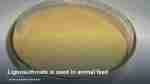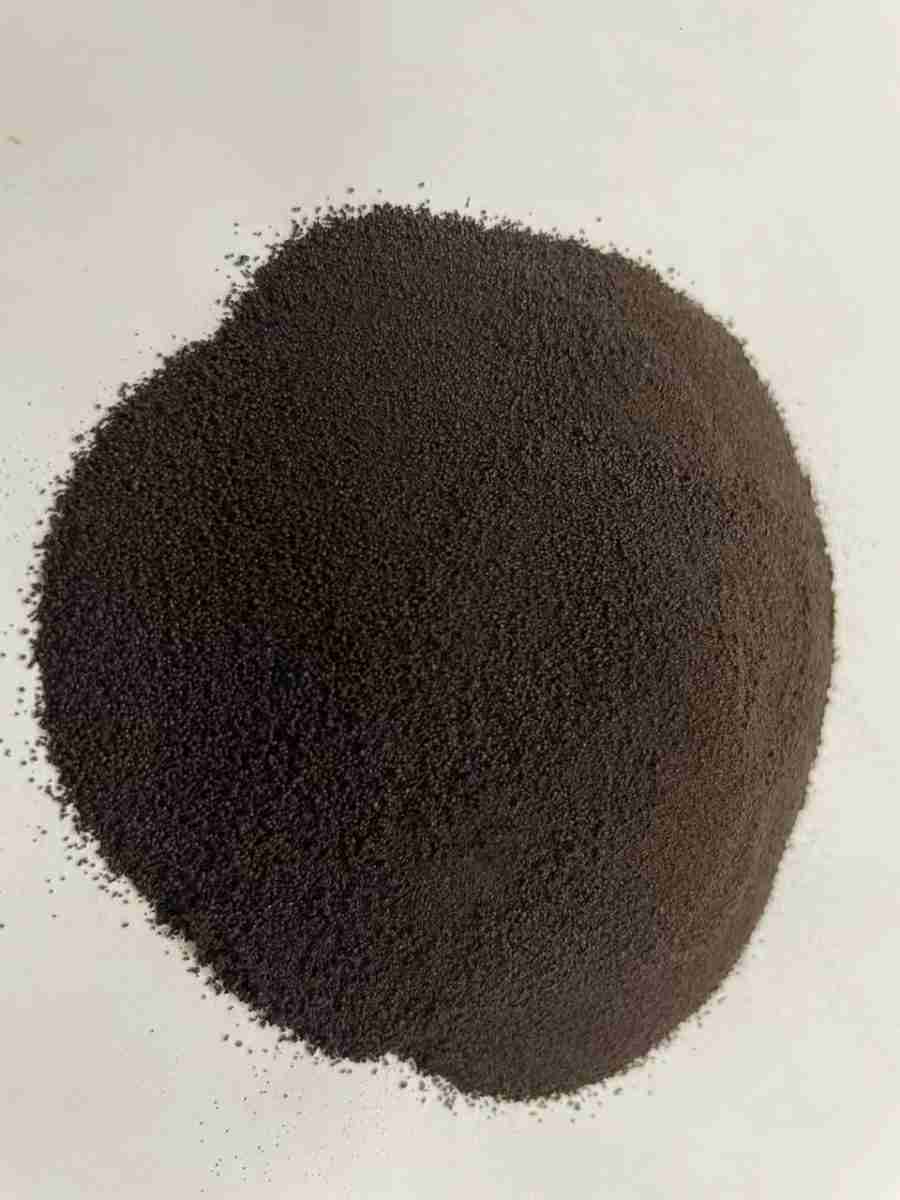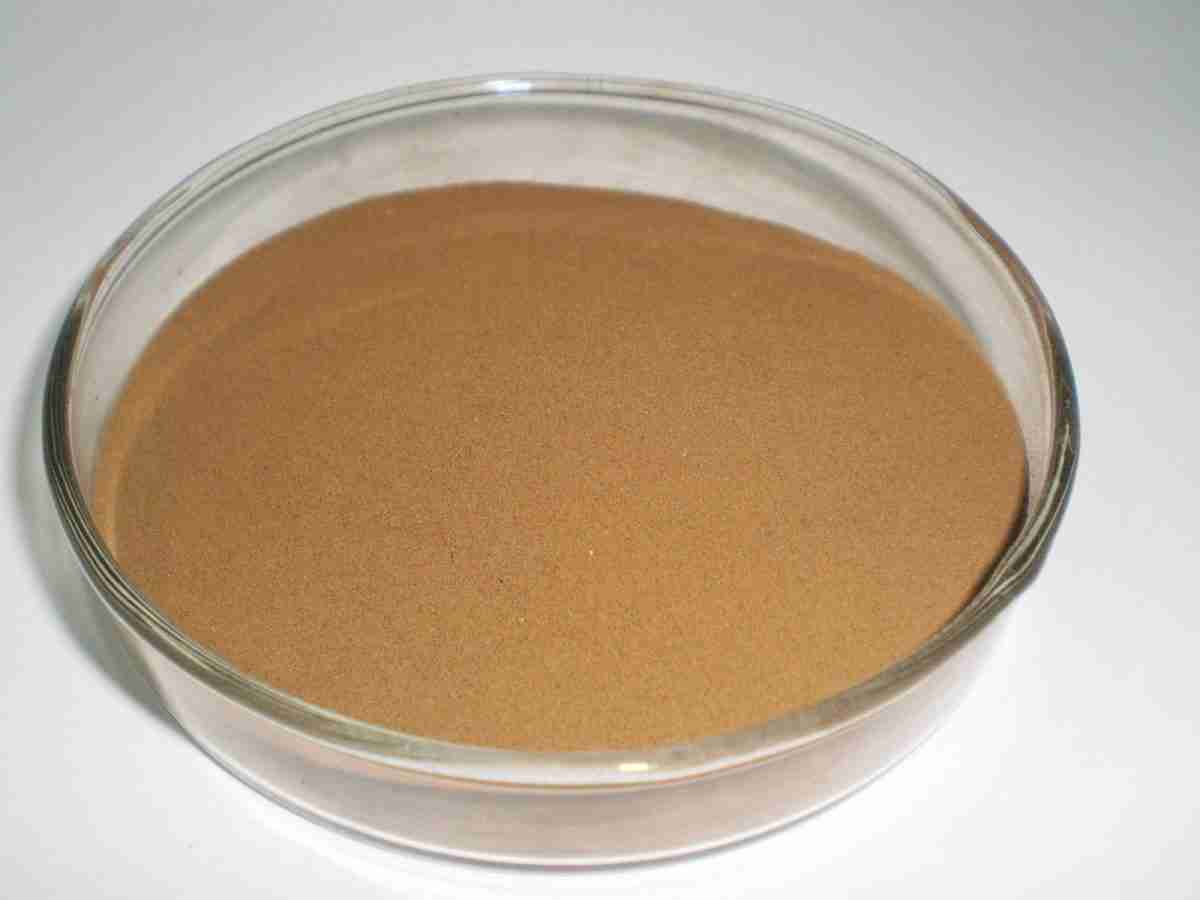

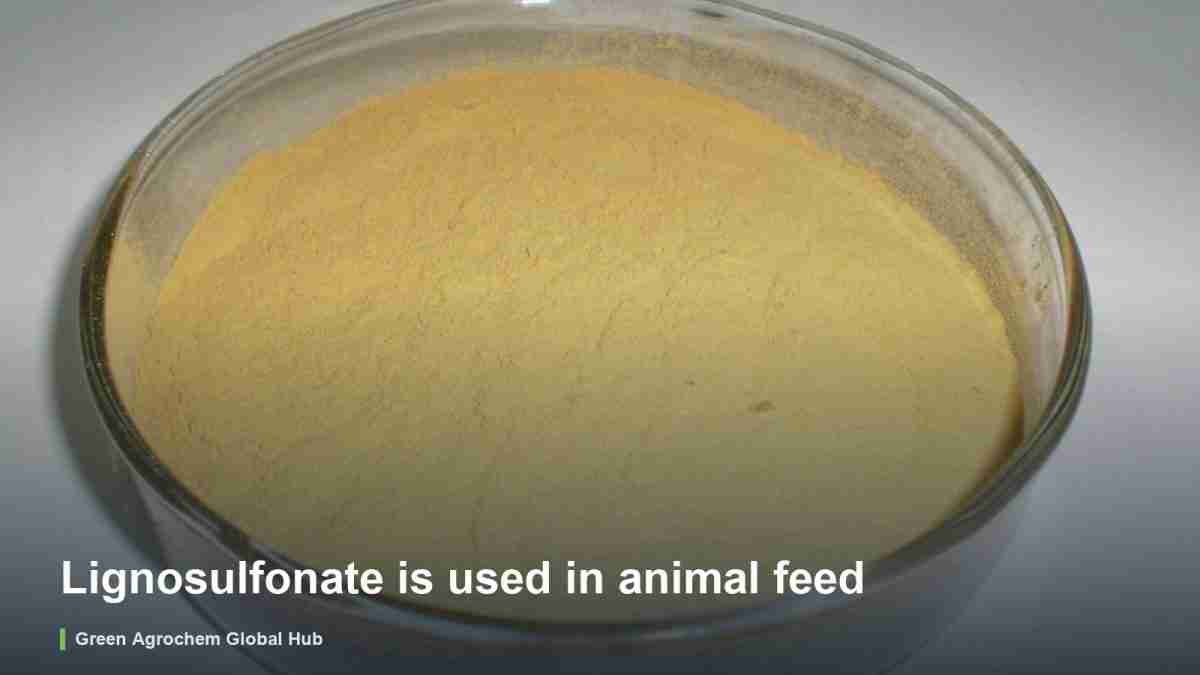
Lignosulfonate is a natural substance that comes from the process of making paper from wood. It’s a byproduct of the sulfite pulping method, where wood is broken down to extract cellulose for paper, leaving behind lignosulfonate, which is derived from lignin—a tough, woody material that gives plants their structure. Over time, this byproduct has found a useful place in animal feed production, thanks to its unique properties. It’s not a major nutrient source, but it plays a big role in making animal feed better in terms of quality, handling, and cost.
1. What Is Lignosulfonate, and Where Does It Come From?
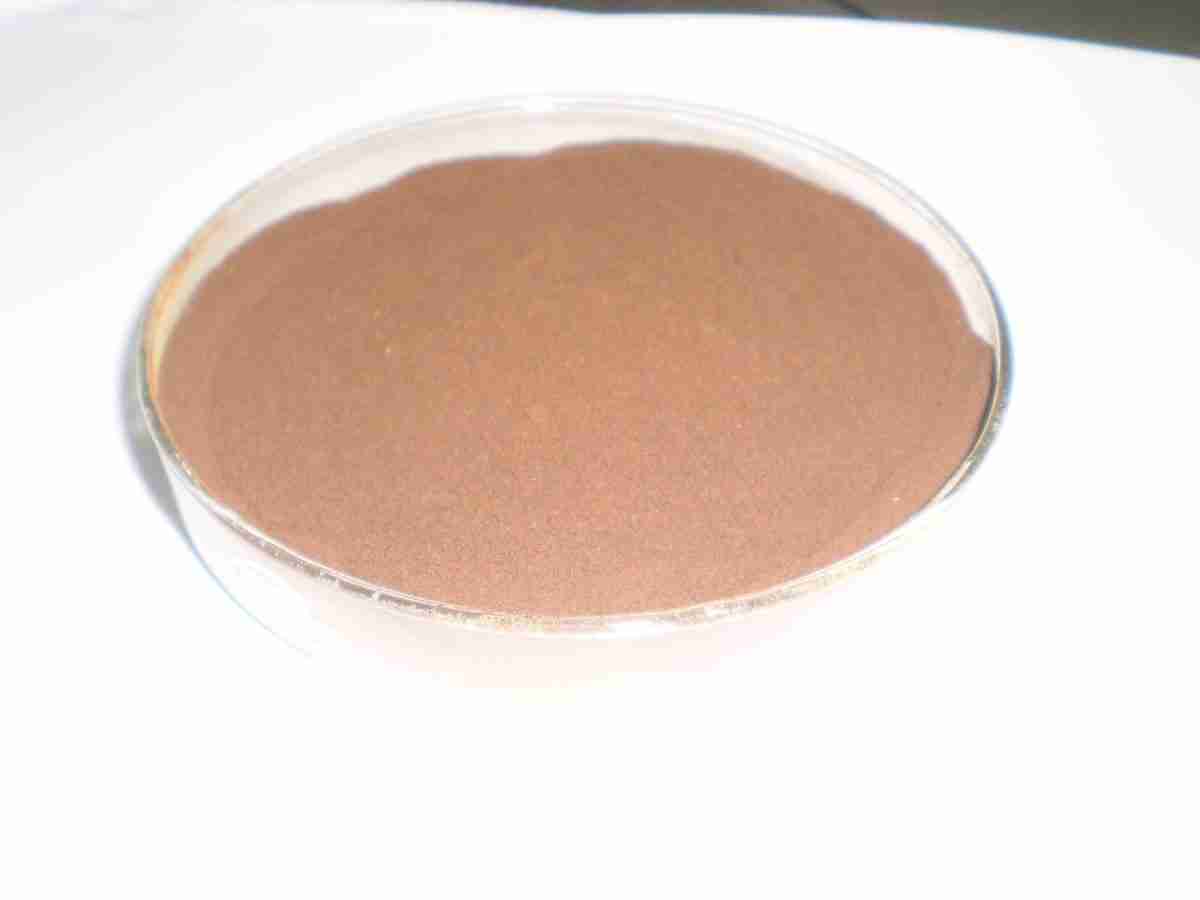
Lignosulfonate is a natural compound created when wood is processed in the paper industry. Lignin, the part of wood that holds plant cells together, is treated with sulfite chemicals during pulping, turning it into a water-soluble material called lignosulfonate. It can come in different forms, like calcium lignosulfonate, sodium lignosulfonate, or ammonium lignosulfonate, depending on the chemicals used in the process. These forms are all similar in how they work, but they might differ slightly in their stickiness or solubility.
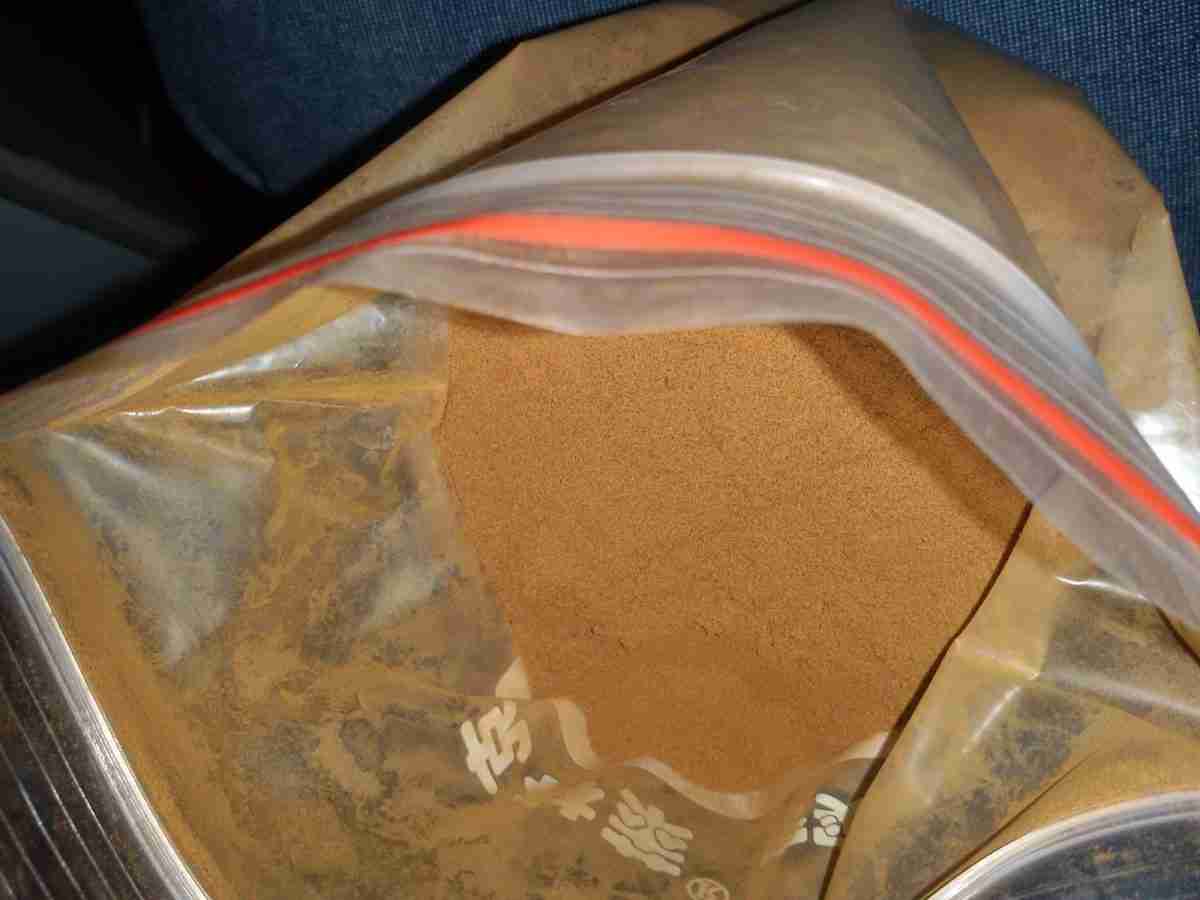
In animal feed, lignosulfonate is used in small amounts, usually as a powder or liquid, and it’s added during the feed-making process. It’s not something animals eat for nutrition, but it helps make the feed itself better for both the animals and the people handling it.
2. Why Is Lignosulfonate Used in Animal Feed?
The main reason lignosulfonate is added to animal feed is to make feed pellets stronger and easier to work with. Pelleted feed is common in modern farming because it’s easier to store, transport, and feed to animals compared to loose, powdery feed. Here’s how lignosulfonate helps:
- Making Stronger Pellets: Lignosulfonate acts like glue, holding the tiny bits of feed (like grains, vitamins, and proteins) together when they’re pressed into pellets. This makes the pellets tough enough to survive being moved around in trucks, bags, or feeders without breaking apart.
- Reducing Dust and Waste: When pellets break or crumble, they create dust and small particles called “fines.” This dust can be a problem—it might irritate animals’ lungs or make it harder for workers to handle the feed. Lignosulfonate keeps pellets solid, cutting down on dust and reducing feed waste, so animals get more of the nutrients they need.
- Easier Feed Handling: Stronger pellets mean less mess in barns, feedlots, or fish farms. Farmers and workers spend less time cleaning up spilled feed, and animals are less likely to pick through their food, leaving behind important nutrients.
Lignosulfonate is usually added at a low level, about 0.5% to 2% of the total feed mix. This small amount is enough to do the job without changing the feed’s overall makeup.
3. Does Lignosulfonate Help Animals Nutritionally?
Lignosulfonate isn’t added to feed for its nutritional value, but it does have some minor benefits for animals:
- A Bit of Fiber: Lignosulfonate has some soluble fiber, which is a type of fiber that dissolves in water. This can help with digestion, especially in animals like cows or sheep, whose stomachs rely on fiber to support healthy gut bacteria. The fiber isn’t a big part of the diet, but it can help keep things moving smoothly in the digestive system.
- Tastier Feed: Some types of lignosulfonate contain tiny amounts of leftover sugars from the wood-processing step. These sugars can make the feed taste better, encouraging animals to eat their full portion. This is especially helpful for picky eaters like pigs or young animals.
- Possible Gut Health Boost: There’s some early research suggesting that lignosulfonate might act like a prebiotic, meaning it could help good bacteria grow in an animal’s gut. This isn’t a major reason for using it yet, but scientists are looking into whether it could improve animal health in small ways.
Overall, lignosulfonate’s nutritional impact is small. It’s not a replacement for important feed ingredients like corn, soybean meal, or vitamins, but it adds a little something extra while doing its main job as a binder.
4. Which Animals Benefit from Lignosulfonate in Feed?
Lignosulfonate is used in feeds for all kinds of animals, from farm livestock to pets and even fish. Here’s how it helps different types of animals:
- Poultry (Chickens, Turkeys): In chicken or turkey feed, lignosulfonate makes pellets sturdy, which is important for automated feeding systems in big poultry farms. It ensures birds get a balanced diet without wasting feed.
- Pigs: Pigs often eat pelleted feed, and lignosulfonate helps keep the pellets from breaking apart in troughs or feeders. This is especially useful for young piglets, who need consistent nutrition to grow.
- Cattle and Sheep: For ruminants like cows and sheep, lignosulfonate is used in pelleted feeds like alfalfa cubes or mixed rations. The fiber in lignosulfonate might also give a small boost to their digestion.
- Fish and Shrimp (Aquaculture): In fish farms, feed pellets need to hold together in water to avoid wasting nutrients and polluting the water. Lignosulfonate helps make water-stable pellets, which means the feed stays intact longer, giving fish or shrimp time to eat it.
5. Is Lignosulfonate Safe for Animals?
Yes, lignosulfonate is considered safe for animals when used properly. Governments and organizations around the world have studied it and set rules to make sure it’s safe:
- United States: The Food and Drug Administration (FDA) says lignosulfonate is “generally recognized as safe” (GRAS) for animal feed, as long as it’s pure and doesn’t have harmful leftovers from the paper-making process.
- Europe: The European Food Safety Authority (EFSA) also approves lignosulfonate for feed use, with strict limits on things like sulfur compounds or heavy metals that might come from the pulping process.
- Quality Control: Feed manufacturers test lignosulfonate to ensure it’s clean and free of contaminants like dioxins, which could be harmful if they sneak into the mix.
The small amounts used in feed (usually less than 2%) mean it’s unlikely to cause any problems for animals. It’s been used for years in the industry without major issues.
6. Why Is Lignosulfonate Good for Farmers and the Environment?
Lignosulfonate is a win-win for both farmers and the planet. Here’s why:
- Saves Money: Lignosulfonate is cheaper than some other binders, like molasses or synthetic chemicals. This helps keep the cost of animal feed down, which is a big deal for farmers trying to make a profit.
- Uses Waste Wisely: Instead of throwing away lignosulfonate from the paper industry, it’s turned into something useful for animal feed. This reduces waste and makes the paper industry more sustainable.
- Less Energy in Feed Production: Lignosulfonate makes it easier to press feed into pellets, which can lower the energy needed for manufacturing. This saves money and reduces the environmental footprint of feed production.
- Eco-Friendly Aquaculture: In fish farming, lignosulfonate’s ability to make water-stable pellets means less feed dissolves into the water, reducing pollution in ponds or tanks.
By using a natural byproduct like lignosulfonate, the feed industry supports a more sustainable approach to farming.
7. What’s Next for Lignosulfonate in Animal Feed?
Scientists and feed companies are still learning about how lignosulfonate can be used in new ways:
- Gut Health Research: Some studies are looking at whether lignosulfonate can act like a prebiotic, helping good bacteria grow in animals’ stomachs. This could improve health and growth, especially in young animals or those under stress.
- Better Fish Feed: In aquaculture, researchers are working on making even stronger, more water-stable pellets with lignosulfonate to reduce waste and protect water quality.
- Organic Farming: Because lignosulfonate comes from a natural source (wood), it might be a good fit for organic or eco-friendly feeds, which are becoming more popular as consumers demand sustainable products.
These ideas are still being explored, but they show that lignosulfonate could have an even bigger role in the future of animal feed.
8. How Does Lignosulfonate Fit into Modern Farming?
In today’s world, farmers and feed companies are under pressure to produce food efficiently while keeping costs low and protecting the environment. Lignosulfonate helps with all of these goals:
- Efficiency: Stronger pellets mean less waste, so animals get more of the nutrients they need to grow, produce milk, or lay eggs.
- Cost Savings: Using a cheap, natural byproduct like lignosulfonate keeps feed prices down, which helps farmers and, ultimately, consumers.
- Sustainability: By turning a paper industry leftover into a useful feed additive, it supports a “reduce, reuse, recycle” approach to agriculture.
It’s a small ingredient with a big impact, helping the feed industry meet the demands of modern farming while staying practical and affordable.