
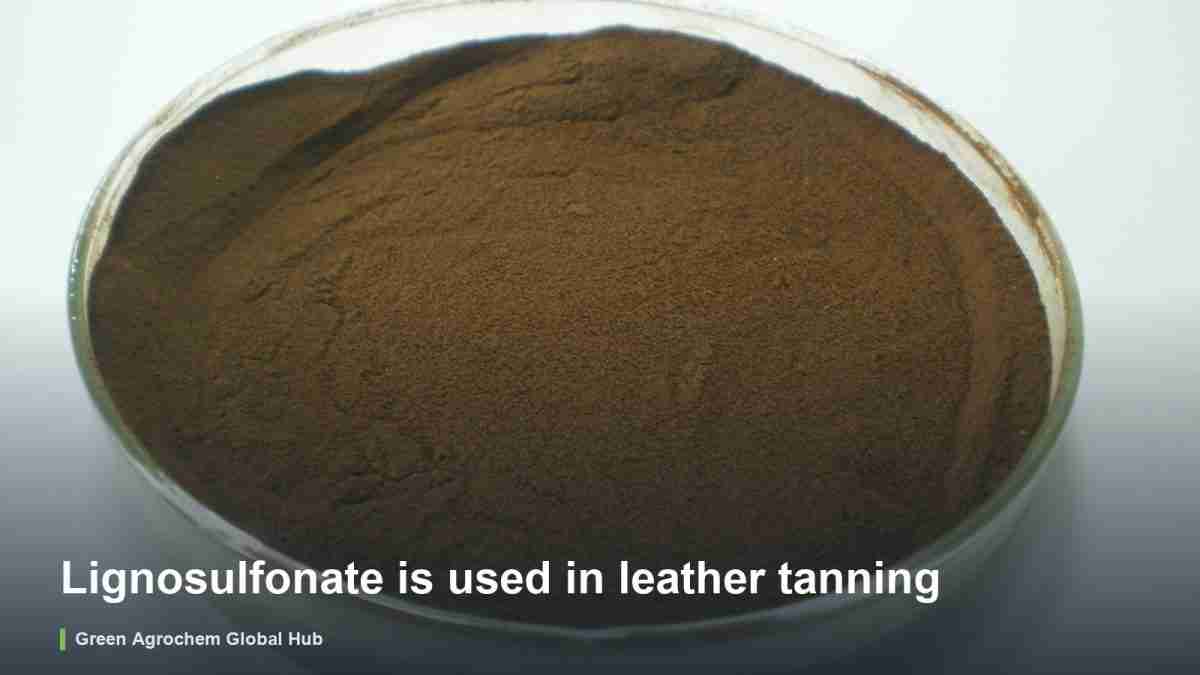
Lignosulfonate, a natural substance that comes from lignin—a key component of plant cell walls—during the sulfite pulping process in the paper and pulp industry, is an incredibly versatile, environmentally friendly, and budget-friendly material widely used in leather tanning. This water-soluble, biodegradable, and non-toxic compound serves multiple purposes in leather production, such as acting as a tanning agent, retanning agent, dispersant, and emulsifier, helping transform raw animal hides into durable, flexible, and high-quality leather for products like shoes, bags, belts, furniture, and car seats. Its natural binding properties, low cost, and eco-friendly nature make it a fantastic alternative to traditional tanning chemicals like chromium, which can harm the environment and human health.
How Lignosulfonate Works in Leather Tanning
Leather tanning is the process of treating raw animal hides or skins (like cow, sheep, or goat hides) to make them strong, flexible, and resistant to rotting, turning them into leather that can be used for all kinds of products. The main goal is to stabilize the collagen proteins in the hide—the stuff that gives it structure—so it lasts a long time and holds up to wear and tear. Lignosulfonate is a key player in this process, used in different stages of tanning, such as vegetable tanning (using plant-based materials like tree bark), chrome tanning (using chromium salts), or combination tanning, where multiple methods are used together.
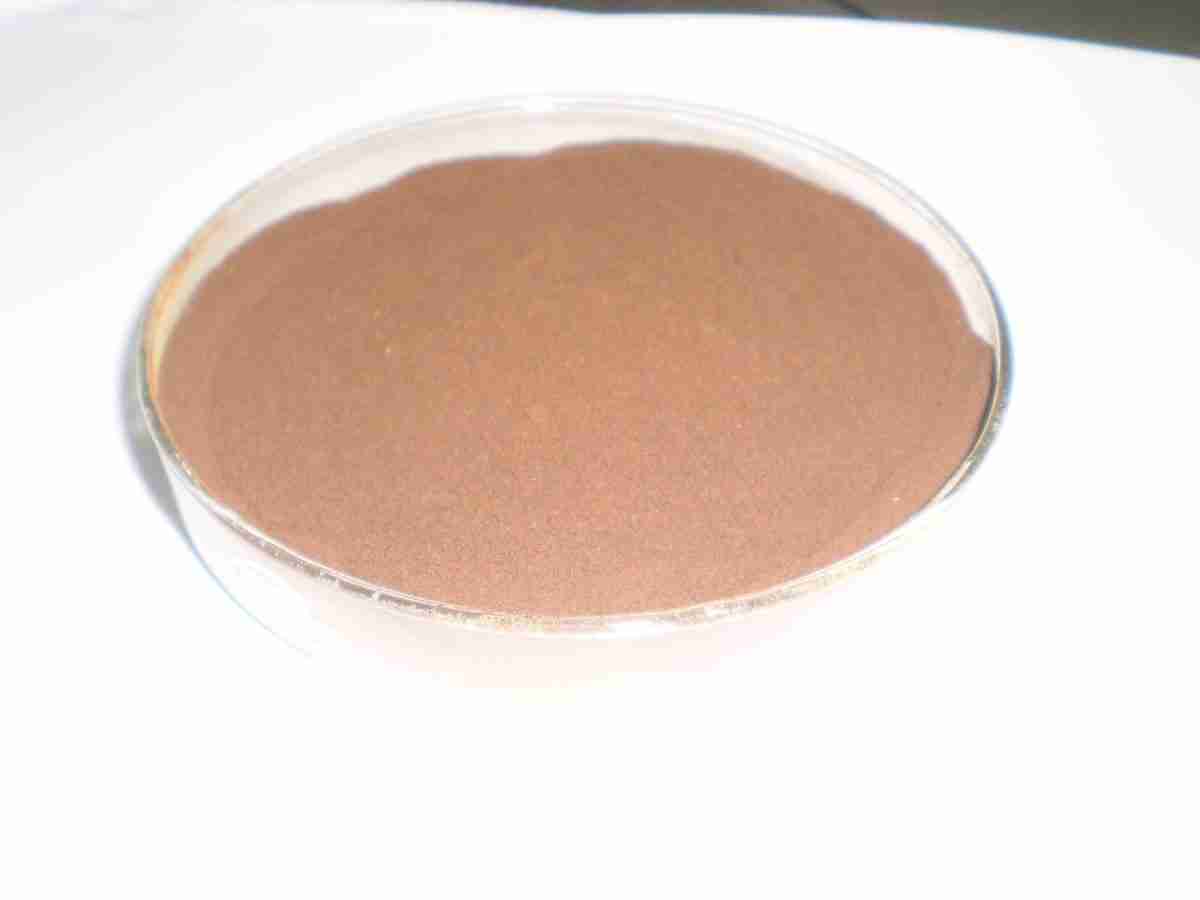
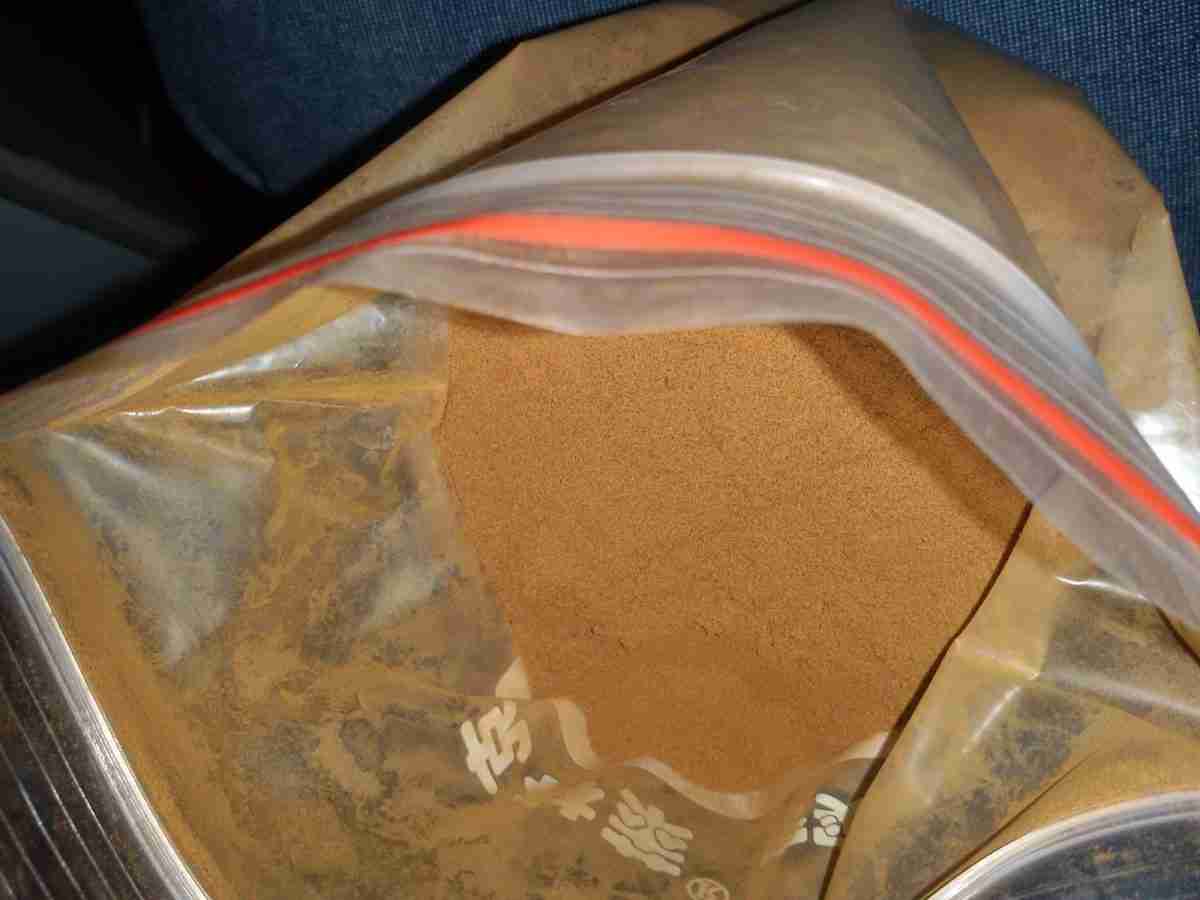
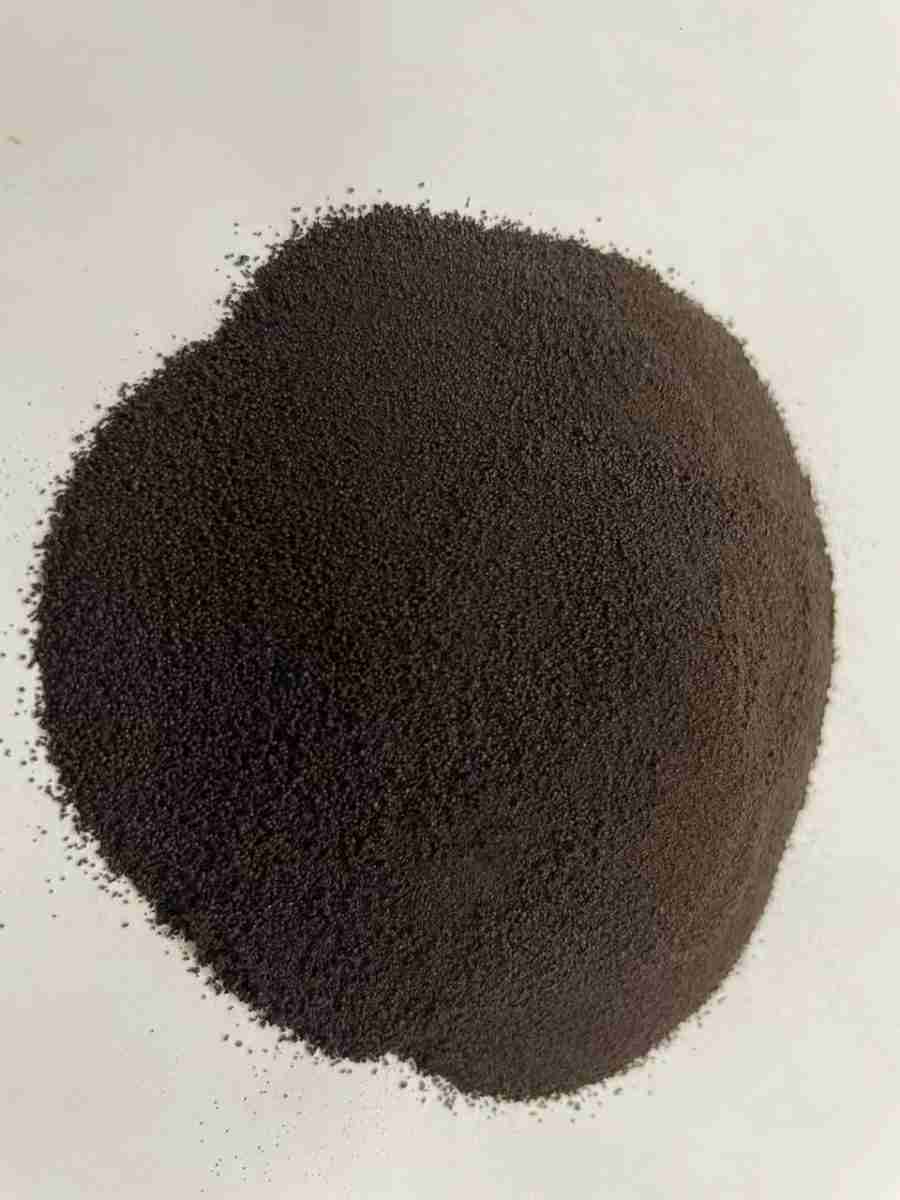
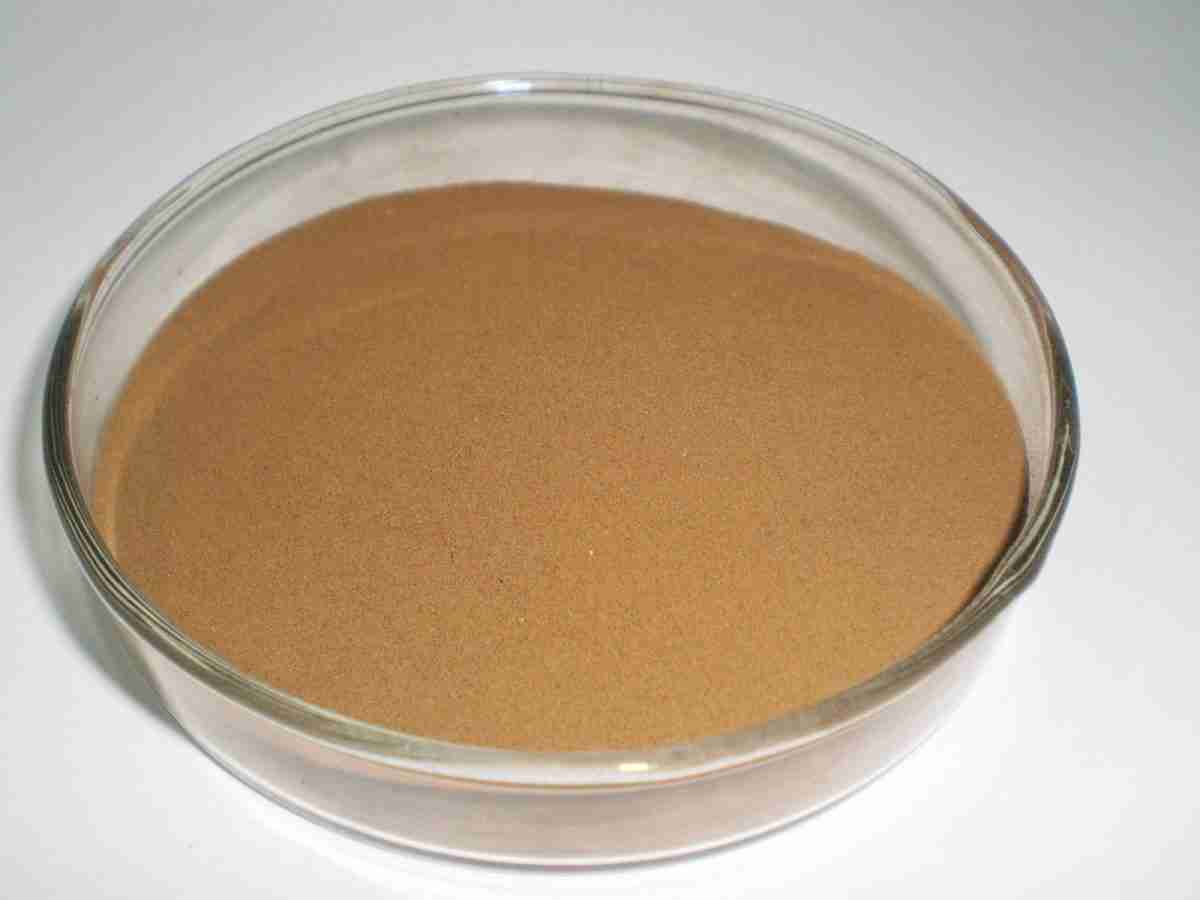
Here’s how it works in simple terms: lignosulfonate is a brown, powdery material that dissolves easily in water, thanks to special chemical groups (called sulfonate groups) that love water. These groups let lignosulfonate stick to the collagen fibers in hides, kind of like glue holding pieces of a puzzle together. This binding strengthens the leather, making it tougher, more flexible, and better able to handle things like stretching or getting wet. Lignosulfonate is used in a few main ways in tanning:
- As a Tanning Agent: In eco-friendly tanning methods that avoid chromium (called “chrome-free” tanning), lignosulfonate—especially modified versions like oxidized sodium lignosulfonate—can act as the main tanning agent. It’s often combined with metals like aluminum or zirconium to bind tightly to collagen, creating leather that resists shrinking even at high temperatures (up to 89°C, which is close to chrome-tanned leather’s 90-100°C). This makes it great for sustainable leather production.
- As a Retanning Agent: After the main tanning step (using vegetable tannins or chromium), lignosulfonate is added to “retan” the leather, making it softer, fuller, and smoother. It fills in gaps in the leather’s structure, giving it a thicker, more luxurious feel, like the leather used in high-end furniture or jackets.
- As a Dispersant: Lignosulfonate helps spread tanning chemicals, dyes, or oils evenly across the hide, preventing clumpy or patchy results. This ensures the leather has a consistent color and texture, which is super important for things like car seats or designer bags.
- As an Emulsifier: It helps mix oils and water (called fatliquors) that are used to soften leather, making sure they soak into the hide evenly for a smooth, supple feel.
In a tannery, lignosulfonate is added to big rotating drums where hides are soaked in water and chemicals. The amount used—usually 5-25% of the tanning mix—depends on the type of leather (e.g., soft leather for gloves or tough leather for shoes), the tanning method, and the qualities the tanner wants, like extra softness or durability. The process happens at specific temperatures (usually 20-40°C) and pH levels (around 3.3-4.3) to make sure lignosulfonate sticks to the hide and doesn’t wash out. Tanners often mix it with plant-based tannins like mimosa or quebracho (from tree bark) to get the best results, creating strong, soft leather at a lower cost than using tannins alone.
Why Lignosulfonate Is Awesome for Leather Tanning
Lignosulfonate brings a ton of benefits to leather tanning, making it a favorite for tanners who want high-quality leather without breaking the bank or harming the environment:
- Super Eco-Friendly: Lignosulfonate is natural and breaks down over time without polluting rivers, soil, or air, unlike chromium salts, which are heavy metals that can contaminate water and harm ecosystems. It’s a big win for green tanning, reducing the environmental footprint of leather production.
- Saves Money: Since it’s a byproduct of papermaking, lignosulfonate is cheap and widely available. It can replace up to 25% of expensive vegetable tannins (like mimosa), cutting costs while still producing great leather for things like shoes or furniture.
- Makes Leather Better: By binding to collagen fibers, lignosulfonate makes leather stronger, more flexible, and resistant to tearing or stretching. It also adds a full, thick feel, making leather feel high-end, like the kind used in luxury bags or car interiors.
- Improves Colors and Finishes: As a dispersant, lignosulfonate ensures dyes and oils spread evenly, avoiding splotchy colors or uneven textures. This is key for consistent, professional-looking leather used in fashion or automotive products.
- Works with Other Tanning Methods: Lignosulfonate gets along with vegetable tannins, chromium, or synthetic tanning agents, letting tanners mix and match to create leather with just the right qualities, like extra softness for gloves or toughness for boots.
- Cleaner Wastewater: By reducing the need for chromium or other harsh chemicals, lignosulfonate makes tannery wastewater less toxic and easier to treat, which is better for the environment and local communities.
- Fits All Tanning Stages: Lignosulfonate can be used in pretanning (preparing the hide), main tanning, retanning, dyeing, and finishing, making it a super versatile tool for tanners.
- Safer for Workers: Unlike chromium, which can cause skin irritation, breathing problems, or even serious health issues with long-term exposure, lignosulfonate is non-toxic and safe for tannery workers to handle.
- Supports Chrome-Free Trends: Modified lignosulfonates, like oxidized sodium lignosulfonate, can be paired with metals like aluminum or zirconium to create strong, eco-friendly leather that competes with chrome-tanned leather, meeting the growing demand for sustainable products.
- Customizable for Different Leathers: Tanners can tweak lignosulfonate’s use to make soft leather for clothing, firm leather for belts, or durable leather for industrial uses, giving them flexibility to meet different market needs.
Things to Keep in Mind
While lignosulfonate is a fantastic option, it has some challenges that tanners need to think about:
- Not Strong Enough on Its Own: By itself, lignosulfonate isn’t as powerful as chromium or some vegetable tannins for tanning. It works best when combined with other agents or chemically modified (e.g., oxidized with hydrogen peroxide) to make it stronger.
- Can Darken Leather: Lignosulfonate’s natural brown color can make leather darker, which is a problem if you’re aiming for light colors like white or pastel for shoes or bags.
- Can Wash Out: Because it dissolves so well in water, lignosulfonate can wash out of the leather during wet processing if the water, pH, or temperature isn’t controlled properly. Tanners need to get these just right to keep it in place.
- Needs Chemical Tweaks: Unmodified lignosulfonate isn’t great for tanning alone. It often needs to be oxidized or mixed with chemicals like formaldehyde or metals (like aluminum) to work well, which adds a step to the process.
- Sensitive to Conditions: Lignosulfonate works best at specific pH levels (3.3-4.3) and temperatures (20-40°C). If these are off, it might not bind to the hide properly, wasting material and time.
- Slightly Lower Heat Resistance: Modified lignosulfonates can make leather that resists shrinking up to 89°C, which is good but not quite as high as chrome-tanned leather (90-100°C). This might matter for certain high-performance leathers, like those used in heavy-duty applications.
To deal with these issues, tanners often use modified lignosulfonates and carefully monitor the tanning process, adjusting water, pH, and temperature as needed. Testing different recipes and combinations helps ensure the leather turns out just right for the job.
Real-World Uses in Leather Tanning
Lignosulfonate is used in all kinds of leather production, showing how practical and flexible it is:
- Eco-Friendly Leather for Fashion: With more people wanting sustainable products, tanners use oxidized sodium lignosulfonate with aluminum or zirconium to make chrome-free leather for shoes, handbags, and jackets. A 2023 study showed this method created leather with a shrinkage temperature of 89.5°C and a natural color, perfect for eco-conscious brands like those in Europe or North America.
- Vegetable Tanning Cost-Saver: In vegetable tanning, lignosulfonate is mixed with plant-based tannins like mimosa or quebracho to cut costs and improve leather quality. A tannery in Brazil reported saving 25% on tannins by using lignosulfonate in 2022, producing soft, full leather for furniture and upholstery.
- Retanning for High-End Leather: After chrome or vegetable tanning, lignosulfonate is used to retan leather, adding softness and fullness. A 2022 project in Italy used lignosulfonate to retan chrome-tanned leather for car seats, making them smoother and more evenly colored for luxury vehicles.
- Dyeing for Consistent Colors: Lignosulfonate’s dispersing properties help dyes spread evenly, ensuring vibrant, uniform colors. A 2021 tannery in India used sodium lignosulfonate to dye leather for jackets, avoiding patchy spots and getting a professional finish.
- Sustainable Leather for Everyday Products: Eco-friendly brands use lignosulfonate-based tanning for leather in wallets, belts, or gloves, appealing to customers who care about sustainability.
- Rural and Agricultural Leather: In places like Africa or South America, lignosulfonate is used to tan leather for work boots, saddles, or harnesses because it’s cheap and safe for the environment.
- Industrial Leather Applications: Lignosulfonate is used to make tough leather for things like conveyor belts or machinery covers. A 2021 tannery in China used lignosulfonate to retan leather for industrial uses, improving strength and reducing production costs.