

Lignosulfonates are made from the spent liquor of sulfite wood pulping. Cooking wood in a sulfite liquor sulfonates the lignin and dissolves it, while cellulose fibres go on to make pulp. The liquor is then neutralised to the required salt (sodium, calcium, magnesium or ammonium), purified to the grade needed, concentrated and usually spray-dried. This page walks through each step and how process choices show up in the final specification.
Lignosulfonate Manufacturing Process, Step by Step
1. Wood preparation
Softwood (spruce, pine) or hardwood (beech, eucalyptus) is debarked, chipped into pieces of a few centimetres and screened so the chips cook evenly.
2. Sulfite pulping
The chips are cooked in a liquor of sulfur dioxide and a bisulfite base (sodium, calcium, magnesium or ammonium) at roughly 130–150 °C under pressure for several hours, typically in the acidic range. Bisulfite ions react with the lignin side chains, attach sulfonate groups and break the lignin into soluble fragments (lignosulfonic acid and its salts). The cellulose fibres are washed out as pulp.
3. Spent sulfite liquor
What remains is a dilute brown liquor containing lignosulfonates, wood sugars from hemicellulose, organic acids and inorganic salts.
4. Neutralisation or base conversion
The liquor is neutralised to the target salt: sodium hydroxide or carbonate for sodium lignosulfonate, lime for calcium lignosulfonate, magnesium hydroxide or oxide for magnesium lignosulfonate. Liquors from one base can be converted to another by base exchange. The pH is set for the intended use.
5. Purification (grade-dependent)
- Desugaring by fermentation (the sugars can be turned into ethanol) or other treatment lowers reducing sugar.
- Filtration removes insoluble matter.
- Ultrafiltration or ion exchange separates lignosulfonates from low-molecular-weight impurities and salts for higher-purity grades.
6. Concentration
Multiple-effect evaporators concentrate the liquor to about 40–50% solids. Liquid grades are sold at this stage.
7. Spray drying
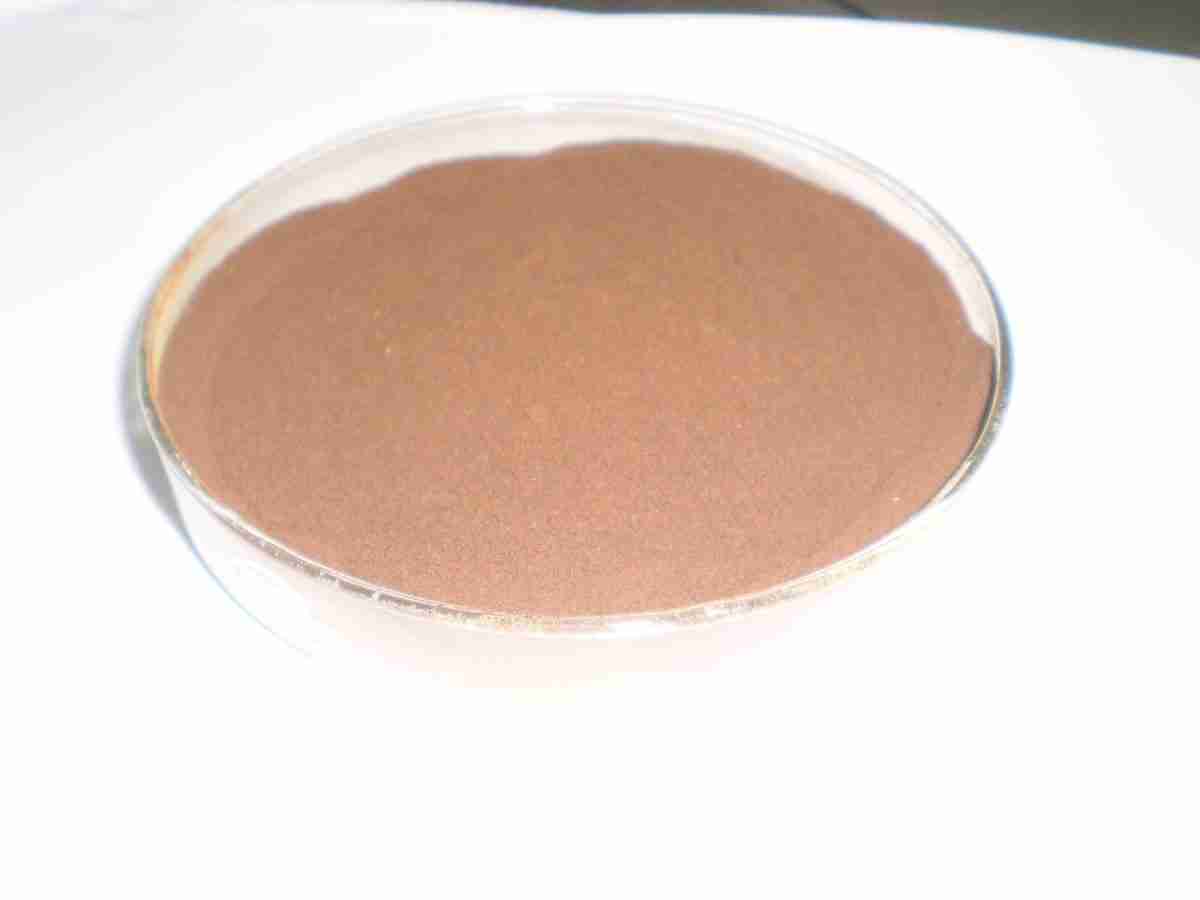
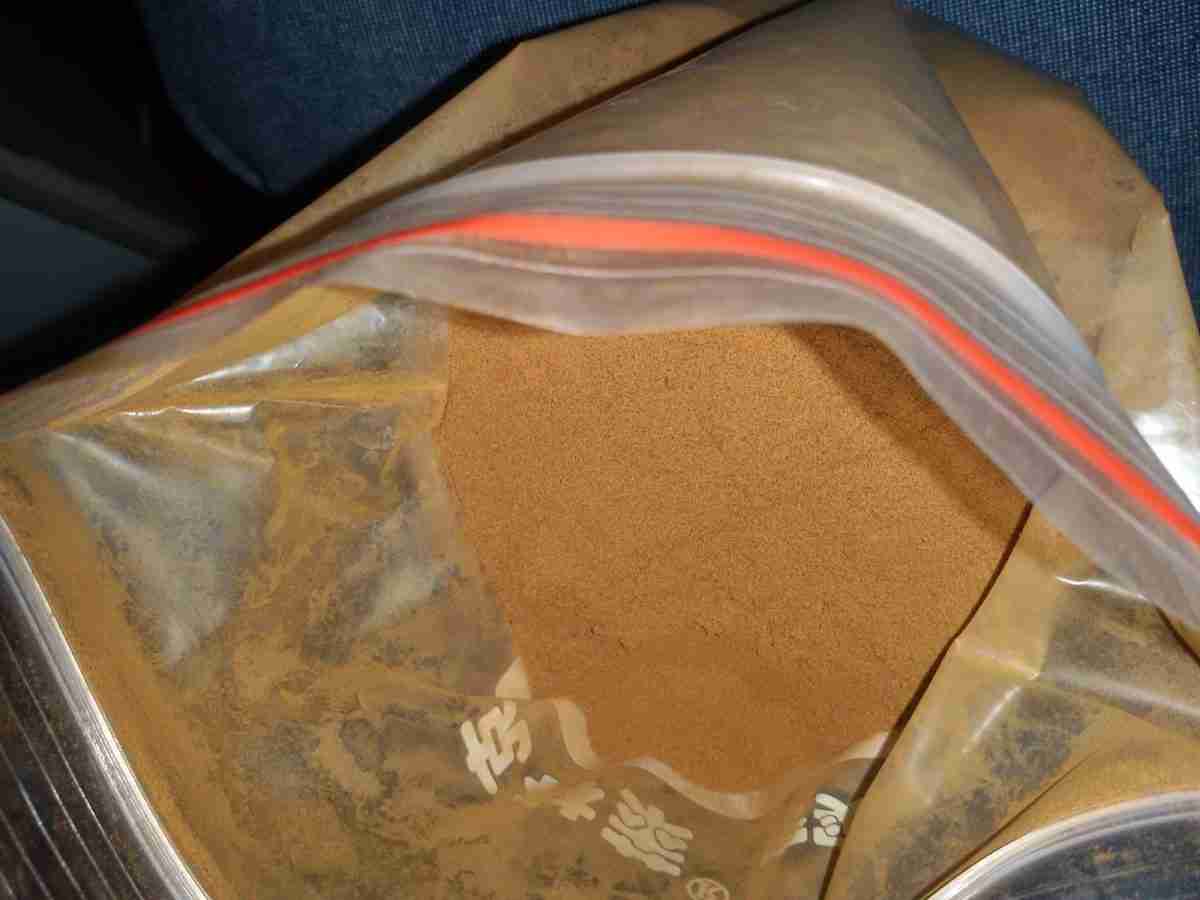
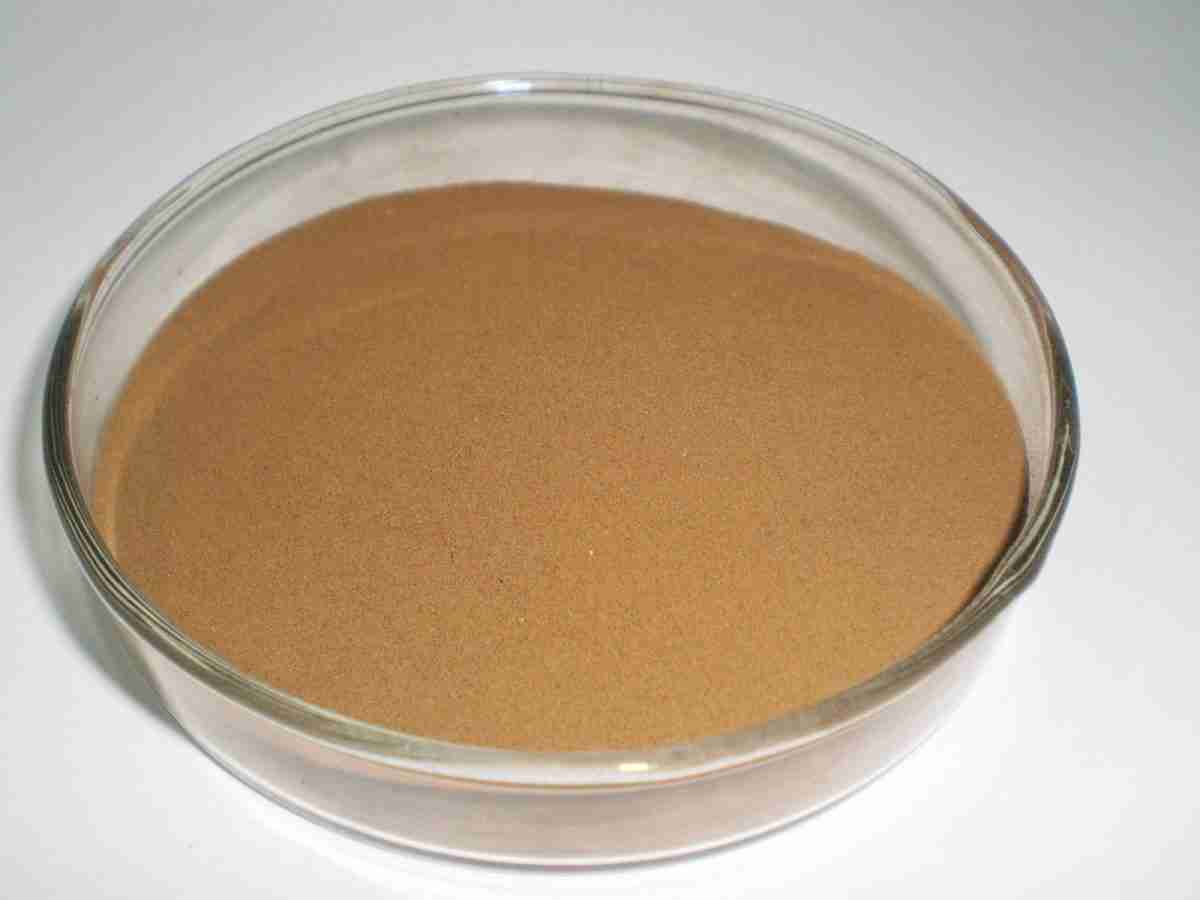
The concentrate is atomised into hot air to give a free-flowing brown powder with about 92–96% dry matter.
8. Quality control and packing
Batches are tested for pH, dry matter, lignosulfonate content, reducing sugar, insoluble matter and ash, then packed in 25 kg bags, jumbo bags, drums or IBCs.
How Process Choices Set the Grade
| Process choice | Effect on the product | Where it shows on the TDS |
|---|---|---|
| Pulping base | Decides the salt type and solubility behaviour | Product name and ash |
| Desugaring | Lower sugar means less set retardation in concrete | Reducing sugar |
| Filtration | Clearer solutions, fewer solids | Water-insoluble matter |
| Purification level | Higher active content | Lignosulfonate content |
| pH adjustment | Compatibility with the end use | pH |
| Drying or not | Powder or liquid | Dry matter or solids content |
Other Production Routes
- Howard process: an early method that precipitates calcium lignosulfonate from the liquor with excess lime, recovering most of the lignosulfonate.
- Sulfonated kraft lignin: lignin recovered from kraft black liquor is sulfonated afterwards. The product is chemically similar but not identical to sulfite lignosulfonate, so compare grades by TDS.
Practical Considerations
- Raw material: hardwood liquors usually give lower molecular weight and more sugar than softwood liquors.
- Energy: evaporation and drying are the largest energy users; mills use waste heat where possible.
- Environment: recovering lignosulfonates turns a pulp-mill effluent into products and reduces wastewater load.
- Plant economics: production is tied to access to spent sulfite liquor; see sodium lignosulfonate production and plant cost drivers.
What the finished products are and how they are used: what is lignosulfonate.
Frequently Asked Questions
How is lignosulfonate made?
Wood chips are cooked in a sulfite or bisulfite liquor, which sulfonates and dissolves the lignin. The spent liquor is neutralised to the desired salt, purified if needed, concentrated by evaporation and usually spray-dried to powder.
Is lignosulfonate a by-product?
Yes. It comes from the lignin dissolved during sulfite pulping of wood for cellulose pulp.
What chemicals are used to make lignosulfonate?
Sulfur dioxide and a bisulfite base (sodium, calcium, magnesium or ammonium) for pulping, then a base such as sodium hydroxide, lime or magnesium hydroxide to neutralise or convert the liquor.
What is the difference between liquid and powder lignosulfonate?
Liquid grades stop after evaporation at about 40–50% solids; powder grades are spray-dried to about 92–96% dry matter, which is easier to store and ship.
Why do lignosulfonate grades contain sugar?
Wood hemicellulose breaks down into sugars during sulfite cooking and stays in the liquor. Sugars can be removed by fermentation, ultrafiltration or other treatment; low-sugar grades are preferred where set retardation in concrete must be limited.
Lignosulfonate Products
Need a sample, COA or quotation? Send your application and quantity.