
What Exactly is Lignosulfonate?
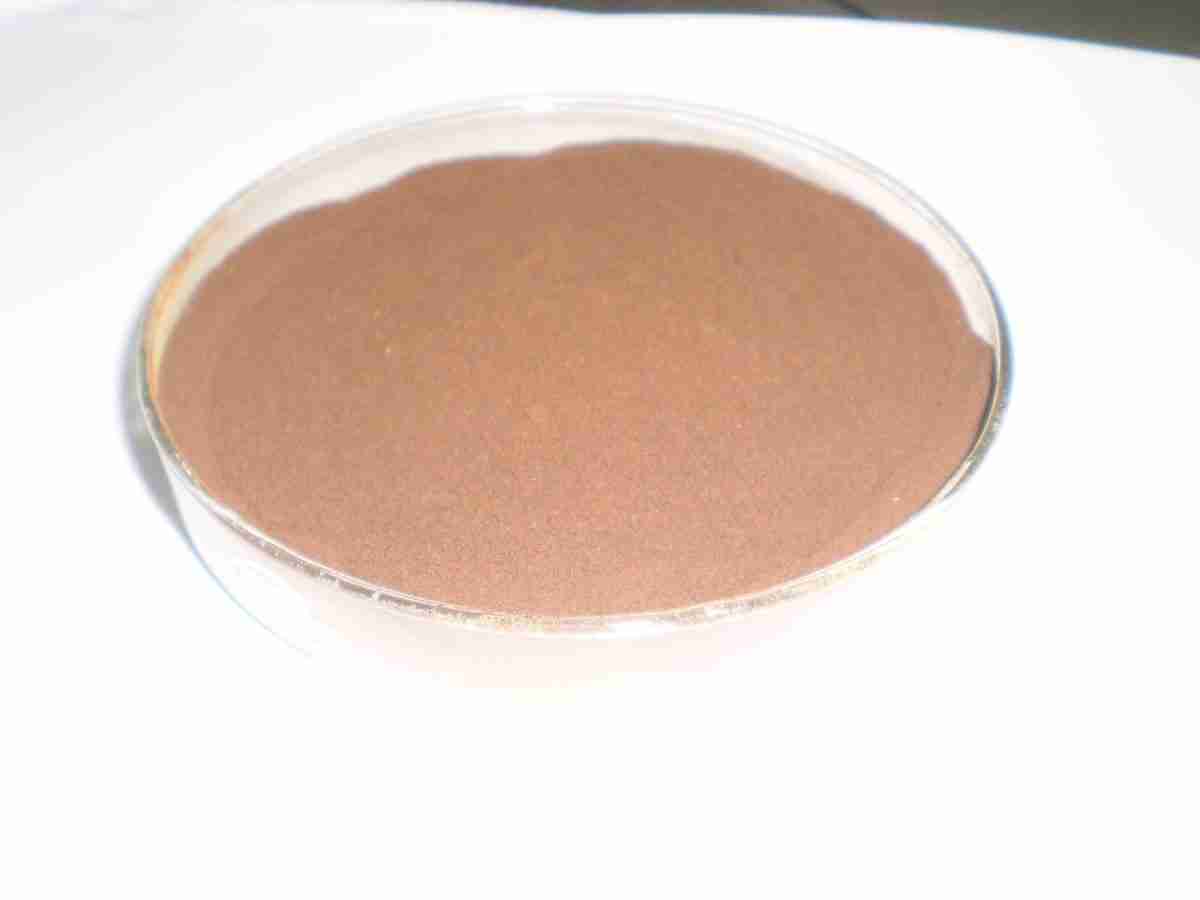
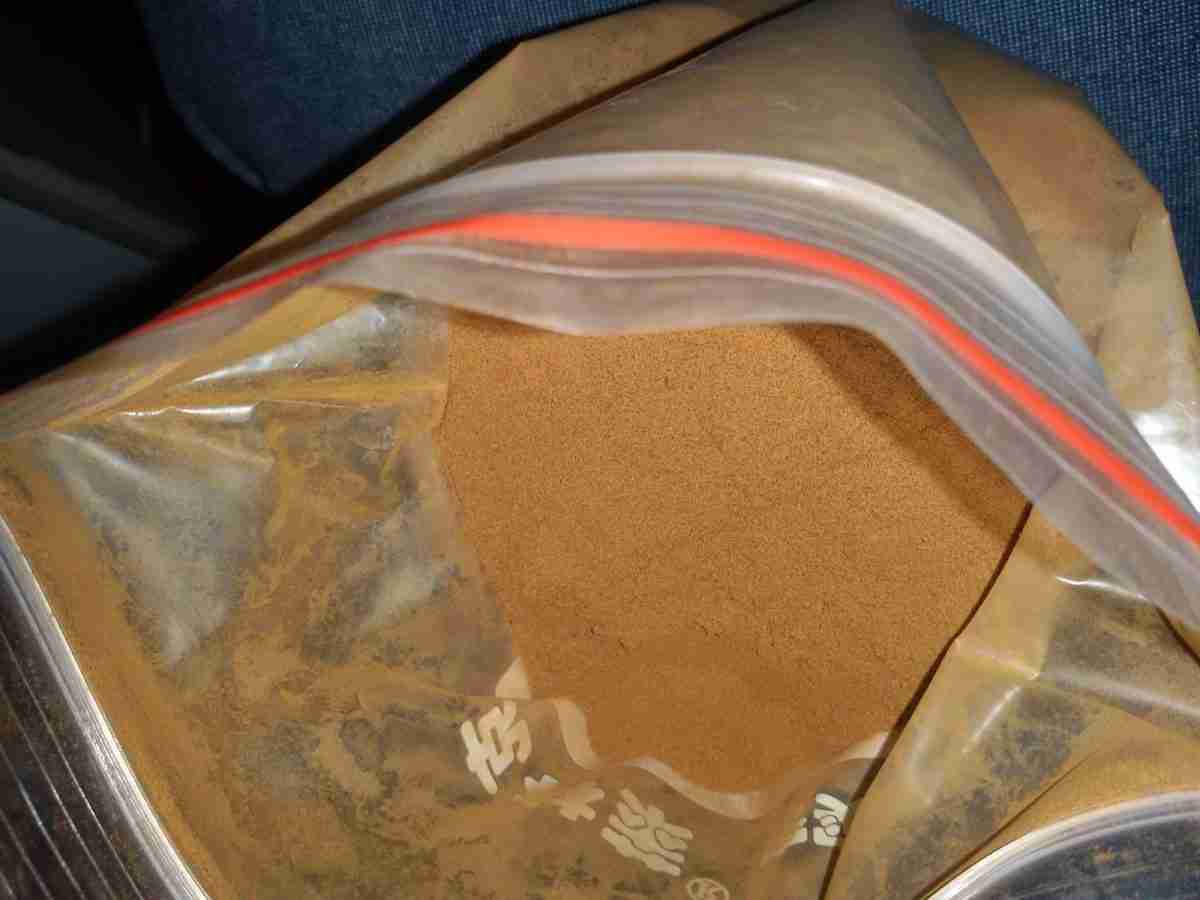
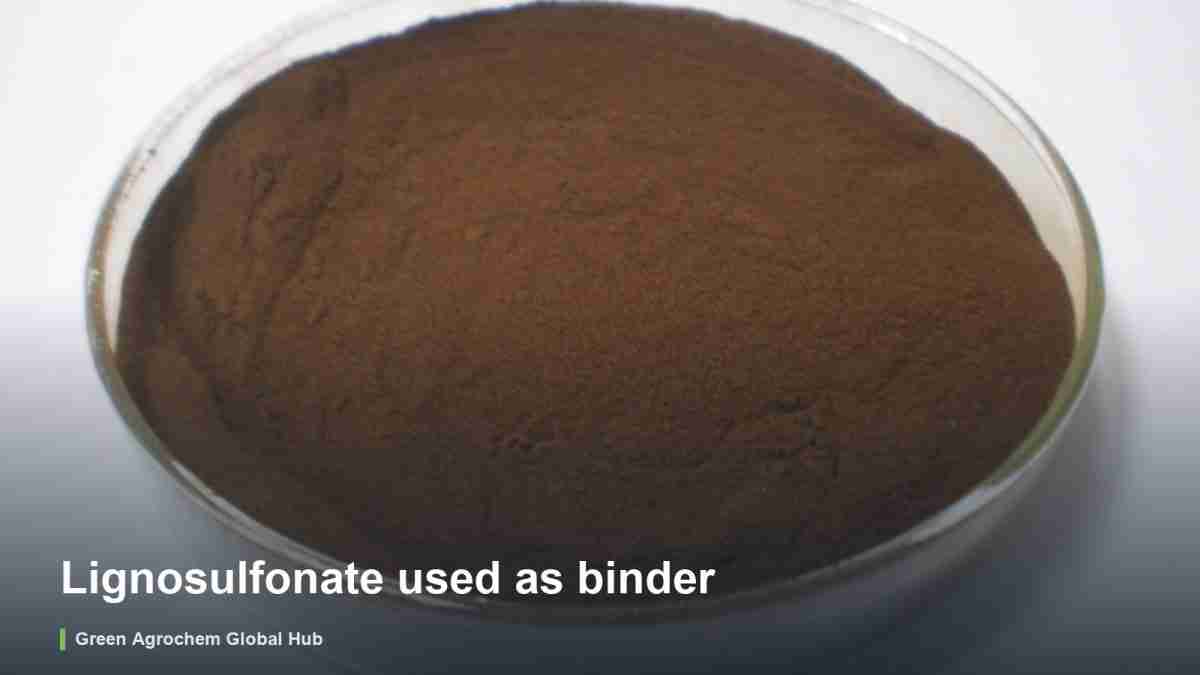
Picture a tree: it’s made of cellulose (the stuff used for paper), lignin (the glue that holds the tree together), and other bits. When paper mills use the sulfite pulping process, they soak wood chips in chemicals like sulfurous acid to separate the cellulose from the lignin. The lignin gets modified into lignosulfonate, a mix of long, complex molecules that dissolve in water and act like a natural adhesive. It’s usually sold as a powder or liquid and comes in different forms, like sodium lignosulfonate (the most popular), calcium lignosulfonate, or ammonium lignosulfonate, depending on the chemicals used in the process.
What makes lignosulfonate special is that it’s a byproduct—something left over from making paper—so it’s super affordable. Plus, it’s made from trees, which means it’s renewable, biodegradable, and safe for the environment. It’s like finding a treasure in what would’ve been waste, and industries use it to stick all sorts of materials together, from tiny feed pellets to big briquettes for fuel.
How Did Lignosulfonate Become a Binder?
The story of lignosulfonate starts in the paper industry, which has been around for centuries. Back in the 1800s, when sulfite pulping became a common way to make paper, mills were left with tons of this brownish, sticky liquid full of lignosulfonate. At first, they didn’t know what to do with it and often dumped it into rivers (not great for the environment). But by the early 20th century, people realized this “waste” was actually useful. Scientists and engineers figured out that lignosulfonate could bind materials together, disperse particles, and even act as a plasticizer (something that makes materials easier to work with). By the mid-1900s, industries like mining, agriculture, and construction were using it as a cheap, eco-friendly alternative to synthetic glues like starch or petroleum-based binders. Today, it’s a go-to binder in all sorts of applications because it’s so versatile and sustainable.
Where is Lignosulfonate Used as a Binder?
Lignosulfonate is like the duct tape of the industrial world—it’s used everywhere! Here’s a deep dive into its main uses, with examples and details:
- Pelletizing in Mining (Iron Ore, Coal, and More):
- In mining, companies deal with fine powders, like iron ore or coal dust, that are hard to handle because they’re messy and dusty. To make them easier to transport and use, they turn these powders into pellets—small, round balls like marbles. Lignosulfonate is added as a binder to hold the particles together. For example, in iron ore pelletizing, a typical mix might include 0.5% to 2% sodium lignosulfonate, along with a bit of bentonite (a clay binder), and water. This mixture is rolled in big drums or disks to form “green” (wet) pellets, which are then dried or heated to make them super strong.
- These pellets are used in steelmaking, where they’re fed into blast furnaces. Lignosulfonate keeps the pellets from breaking apart during transport and reduces dust, which is better for workers and the environment. It’s also used for coal pellets, limestone, or even recycled materials like steel mill dust, helping turn waste into usable products.
- Animal Feed Pellets:
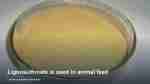
- If you’ve ever fed a dog, cow, or fish, you’ve probably seen pelleted feed. These pellets are made by mixing grains, vitamins, and other ingredients, then pressing them into small, hard shapes. Lignosulfonate is added (usually 1% to 3% by weight) to make sure the pellets stay together during bagging, shipping, and feeding. Without a binder, the pellets would crumble into dust, which wastes feed and can irritate animals’ lungs.
- Lignosulfonate is a favorite here because it’s safe, non-toxic, and doesn’t affect the feed’s nutrition. It’s also biodegradable, so it doesn’t leave harmful residues in animals or the environment.
- For example, in aquaculture, lignosulfonate helps make fish feed pellets that hold up in water long enough for fish to eat them.
- Briquettes for Fuel, Fertilizer, or Charcoal:
- Briquettes are like oversized pellets, often used for things like barbecue charcoal, biomass fuel (made from wood chips or crop waste), or granular fertilizers. Lignosulfonate acts as the glue that holds these materials together, so the briquettes don’t fall apart when you stack, ship, or use them. For charcoal briquettes, about 1% to 2% lignosulfonate is mixed with charcoal dust and water, then pressed into those familiar pillow-shaped pieces you use on your grill.
- In biomass briquettes, lignosulfonate helps create dense, durable fuel for power plants or home heating, reducing waste from sawmills or farms. For fertilizers, it ensures granules release nutrients slowly, so plants get a steady supply over time.
- Ceramics, Bricks, and Refractories:
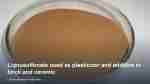
- When making ceramics (like tiles, pottery, or furnace linings), manufacturers shape wet clay or other materials into molds. Lignosulfonate is added as a temporary binder to give these “green” shapes strength so they don’t break when handled or dried. For example, in refractory bricks (used in high-heat environments like steel mills), lignosulfonate holds the material together until it’s fired in a kiln, where the binder burns away cleanly, leaving a strong, heat-resistant brick.
- This is a big deal because ceramics are fragile before firing, and lignosulfonate makes the process smoother and less wasteful.
- Construction Materials (Boards, Concrete, and More):
- In construction, lignosulfonate is used to make things like fiberboards (the backing on furniture), particleboards (like budget bookshelves), or plywood. It glues wood fibers or chips together to form strong, flat panels. For example, in medium-density fiberboard (MDF), lignosulfonate helps create a smooth, sturdy surface for cabinets or flooring.
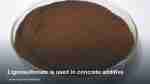
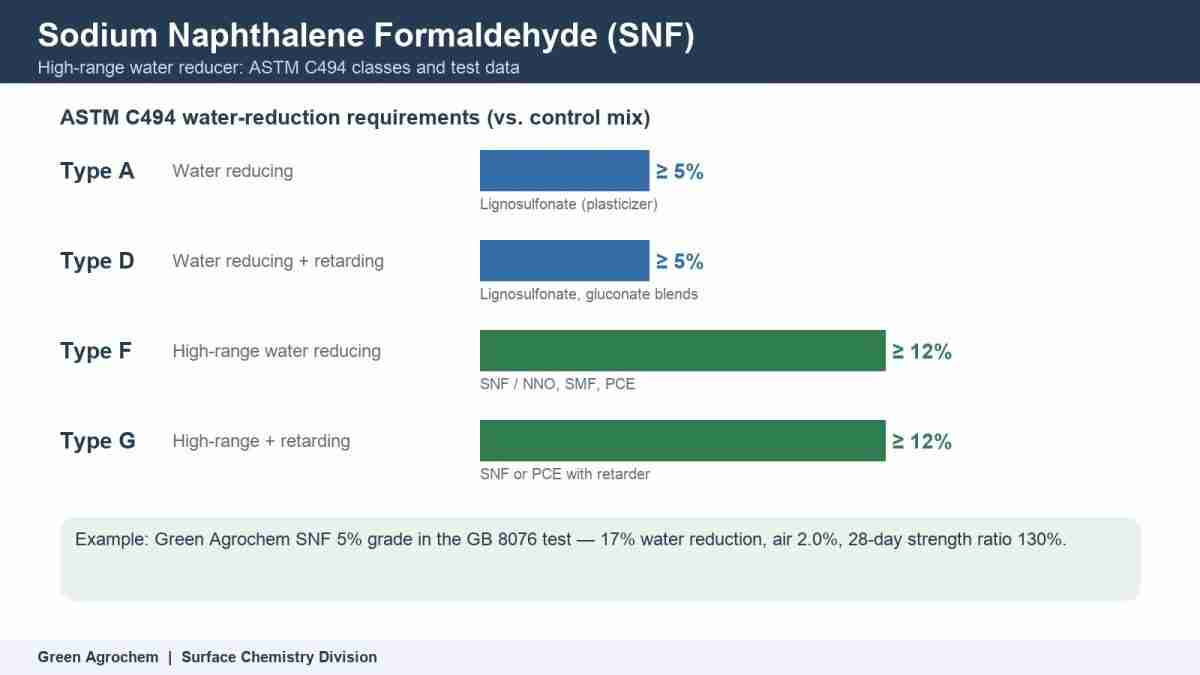
- In concrete, lignosulfonate does double duty: it acts as a binder to hold cement particles together and a plasticizer to make the mix easier to pour. By spreading cement particles evenly, it reduces the water needed, which makes the concrete stronger and less likely to crack. This is used in everything from sidewalks to skyscrapers, saving money and improving quality.
- Other Uses You Might Not Expect:
- Foundry Sand Molds: In metal casting, lignosulfonate binds sand into molds that hold molten metal, like aluminum or steel, without falling apart. This makes the casting process more precise and reduces waste.
- Fertilizers and Pesticides: Lignosulfonate is used to make granular fertilizers or pesticides that don’t dissolve too quickly, ensuring crops get nutrients or protection over time.
- Carbon Black and Pigments: In products like tires, ink, or dyes, lignosulfonate binds fine particles and helps them mix evenly, improving quality and ease of use.
- Dust Control: On unpaved roads or in mines, lignosulfonate is sprayed to bind dust particles, keeping the air cleaner and reducing equipment wear.
Why Lignosulfonate is Such a Great Binder
Lignosulfonate has some cool properties that make it a superstar at sticking things together. Here’s what makes it work so well:
- It’s Naturally Sticky: The molecules in lignosulfonate have special groups (like hydroxyl, carboxyl, and sulfonic groups) that love to grab onto surfaces, creating strong bonds. It’s like Velcro at the molecular level, holding particles tightly together.
- It Loves Water: Since it dissolves in water, you can mix it easily with wet materials, like ore or feed, to coat every particle evenly. This ensures the binding is consistent, like spreading peanut butter smoothly on bread.
- It’s Flexible: Lignosulfonate makes materials less brittle, so pellets or briquettes can bend a little without cracking. This is great for handling and transport, where things get bumped around.
- It Spreads Things Out: Besides binding, lignosulfonate keeps particles from clumping, like a referee keeping players apart in a game. This makes the mix more uniform, which leads to stronger pellets or boards.
- It Forms a Tough Film: When the mixture dries, lignosulfonate creates a thin, hard coating around particles, like a protective shell that locks everything in place.
- It Handles Heat (to a Point): In processes like drying pellets or firing ceramics, lignosulfonate stays stable at moderate temperatures, keeping things together until the job is done.
Types of Lignosulfonate
Lignosulfonate comes in a few different forms, depending on how it’s made:
- Sodium Lignosulfonate: This is the most common type because it dissolves easily in water and works great in things like concrete, pellets, or feed. It’s the go-to for most applications.
- Calcium Lignosulfonate: This one’s a bit less soluble, so it’s used when you want slower dissolution or in specific processes like animal feed or fertilizers.
- Ammonium Lignosulfonate: This version is less common but useful in things like feed or fertilizers, where the ammonia can add a bit of nitrogen, which plants or animals can use.
The type you choose depends on what you’re making, how much water is involved, and what properties you need.
Why Industries Love Lignosulfonate
Lignosulfonate has a lot going for it, which is why it’s so popular. Here’s a rundown of its biggest advantages:
- It’s Dirt Cheap: Since it’s a byproduct of papermaking, lignosulfonate costs way less than synthetic binders like molasses, starch, or plastic-based glues. This saves companies a ton of money.
- It’s Eco-Friendly: Made from trees, it’s renewable, biodegradable, and doesn’t leave toxic waste behind. In a world where everyone’s trying to go green, this is a huge win.
- It’s Super Versatile: Whether you’re making pellets for steel, feed for cows, or boards for furniture, lignosulfonate fits right in. It’s like a binder that can do it all.
- It Makes Products Better: Pellets, briquettes, or boards made with lignosulfonate are stronger, create less dust, and are easier to handle. This cuts down on waste and makes processes smoother.
- It Saves Energy: In things like iron ore pelletizing, it reduces the energy needed for drying or heating because it helps pellets hold their shape better.
- It Does More Than Bind: Its ability to spread particles (called dispersing) means you might not need extra chemicals, simplifying your process and saving cash.
The Downsides of Lignosulfonate
Nothing’s perfect, and lignosulfonate has some challenges you need to watch out for:
- It Hates Getting Wet: Since it dissolves in water, products made with lignosulfonate can weaken in humid or wet conditions. For example, pellets might soften or break if stored in a damp place. You can fix this by adding water-resistant coatings or mixing in other binders.
- It’s Not the Strongest: Compared to high-tech synthetic binders (like polyvinyl alcohol), lignosulfonate might not hold up as well in super tough conditions, like heavy machinery or extreme stress. You might need to use more of it or combine it with something stronger.
- It Can Be Inconsistent: Lignosulfonate’s properties depend on the type of wood (hardwood vs. softwood) and how it was made. This means one batch might act differently than another, so you’ll need to test it to be sure it works for your job.
- It’s Picky About pH: If your mixture is too acidic or too alkaline, lignosulfonate might not perform as well. You may need to tweak the pH to get the best results.
- It Burns Away at High Heat: In really hot processes (like making certain ceramics or steel above 1000°C), lignosulfonate burns off, so it’s only good as a temporary binder. For final strength, you might need another material.
- It’s Not Always Enough Alone: In some applications, lignosulfonate works best when paired with other binders, like bentonite or starch, which adds complexity to the process.
Practical Tips for Using Lignosulfonate
If you’re planning to use lignosulfonate as a binder, here’s some hands-on advice to make it work smoothly:
- Get the Dosage Right: You usually need just 0.5% to 3% lignosulfonate by weight. For example, iron ore pellets might use 0.5% to 2%, while animal feed might need 1% to 3%. Too much can make things sticky or gummy, so start low and test to find the sweet spot.
- Mix It Well: Lignosulfonate needs water to dissolve and spread evenly. Make sure your mixture is wet enough (but not too wet) and mix thoroughly so every particle gets coated. Think of it like mixing cake batter—you want it smooth and even.
- Team It Up: Lignosulfonate often works better with other binders. For example, in iron ore pelletizing, it’s common to mix it with bentonite to boost strength and reduce water sensitivity. Experiment to find the right combo for your needs.
- Watch the Conditions: Things like moisture, temperature, and drying time affect how lignosulfonate performs. For pellets, make sure they dry properly to lock in the binder’s strength. In humid climates, consider adding a water-resistant additive.
- Test Your Supplier: Lignosulfonate can vary depending on where it comes from, so ask your supplier for samples and test them in your process. This ensures you get consistent results.
- Store It Right: Keep it powder or liquid in a dry, cool place to prevent it from clumping or degrading before you use it.
The Future of Lignosulfonate as a Binder
Lignosulfonate is already a rock star, but there’s exciting stuff happening to make it even better:
- Tweaking the Formula: Scientists are working on modifying lignosulfonate to make it less sensitive to water or stronger. For example, they’re experimenting with chemical changes to create lignosulfonates that hold up better in wet conditions or high-stress applications.
- Going Even Greener: As industries push for sustainability, lignosulfonate is getting more attention because it’s a natural alternative to petroleum-based binders. This is especially big in construction and agriculture, where eco-friendly materials are in demand.
- Mixing with Other Binders: Combining lignosulfonate with other natural or synthetic binders (like starch or polymers) is a growing trend. This creates hybrid binders that are stronger, more water-resistant, and tailored to specific jobs.
- New Applications: Researchers are exploring new uses, like binding recycled materials (e.g., plastic waste or industrial byproducts) into usable products, supporting the circular economy.
- Improved Production: Advances in pulping technology are making lignosulfonate more consistent, so you get the same performance from every batch, no matter where it’s made.