
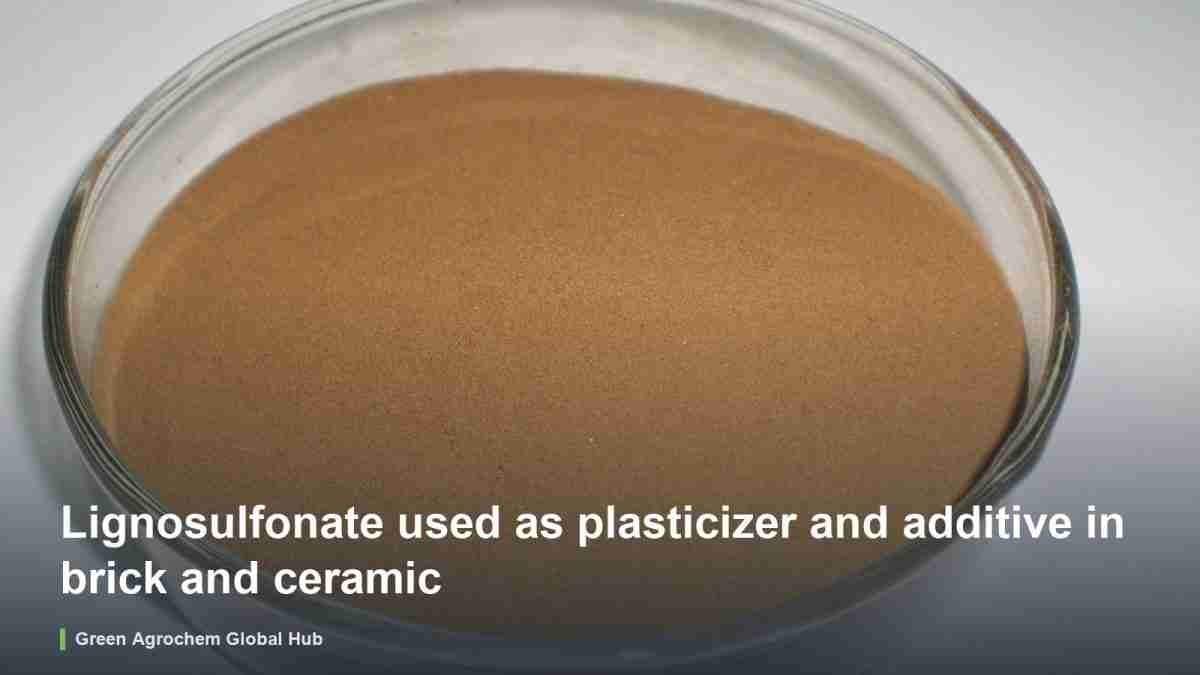
What Are Lignosulfonates?
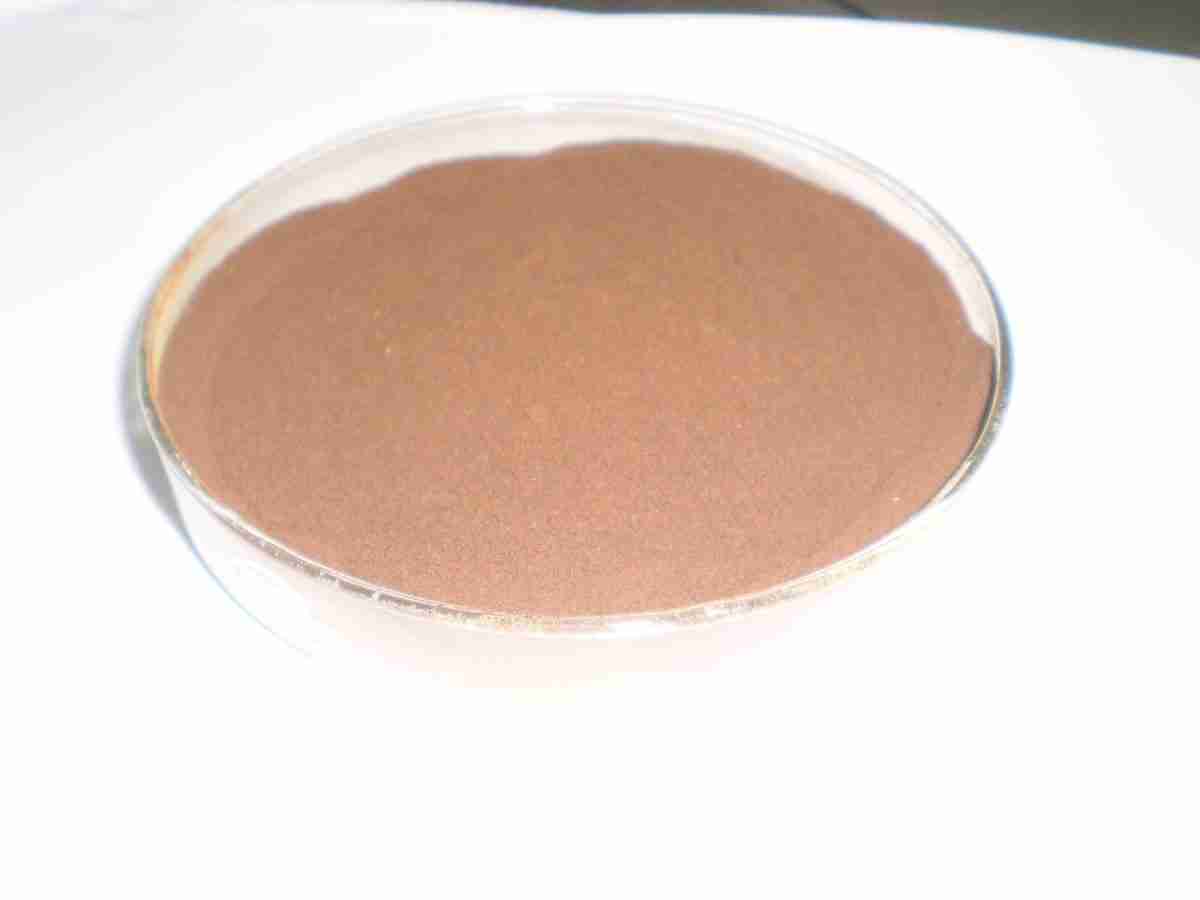
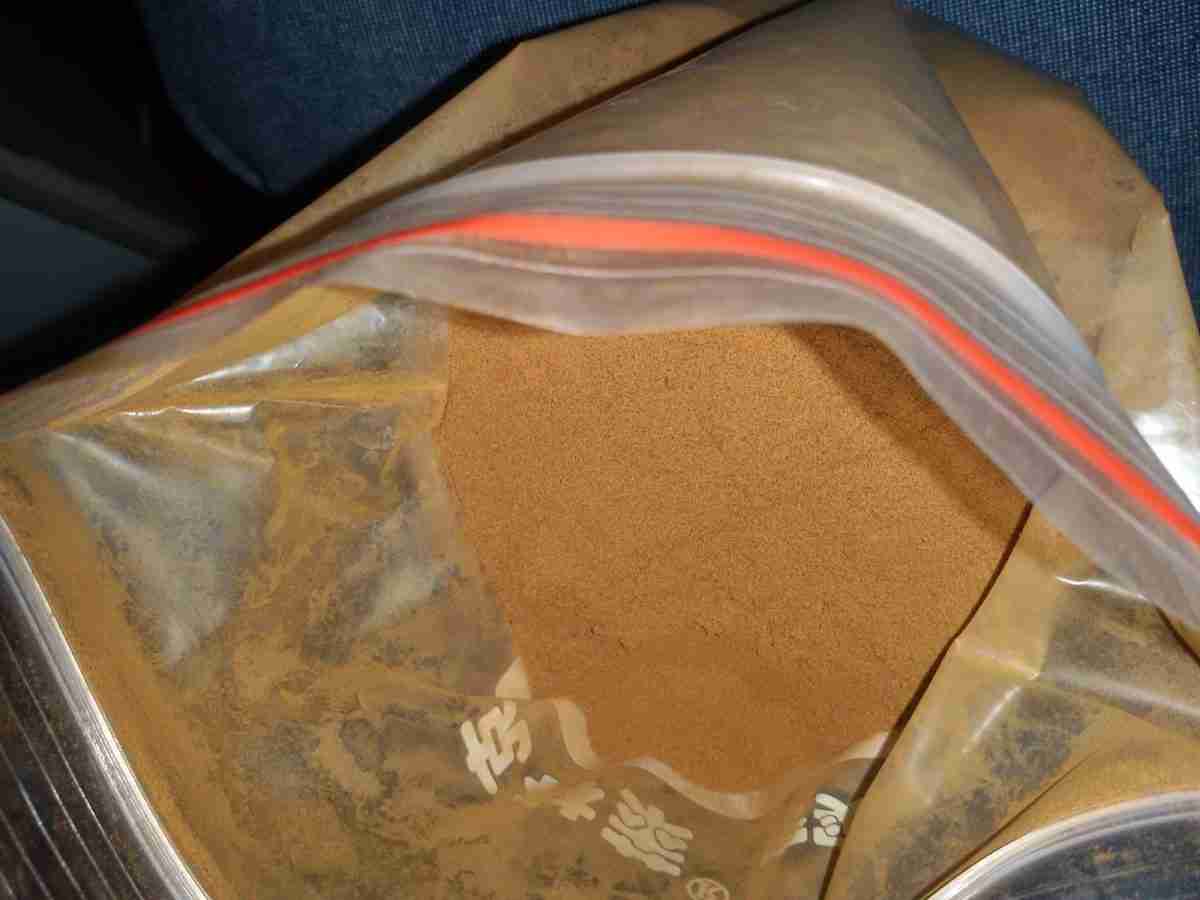
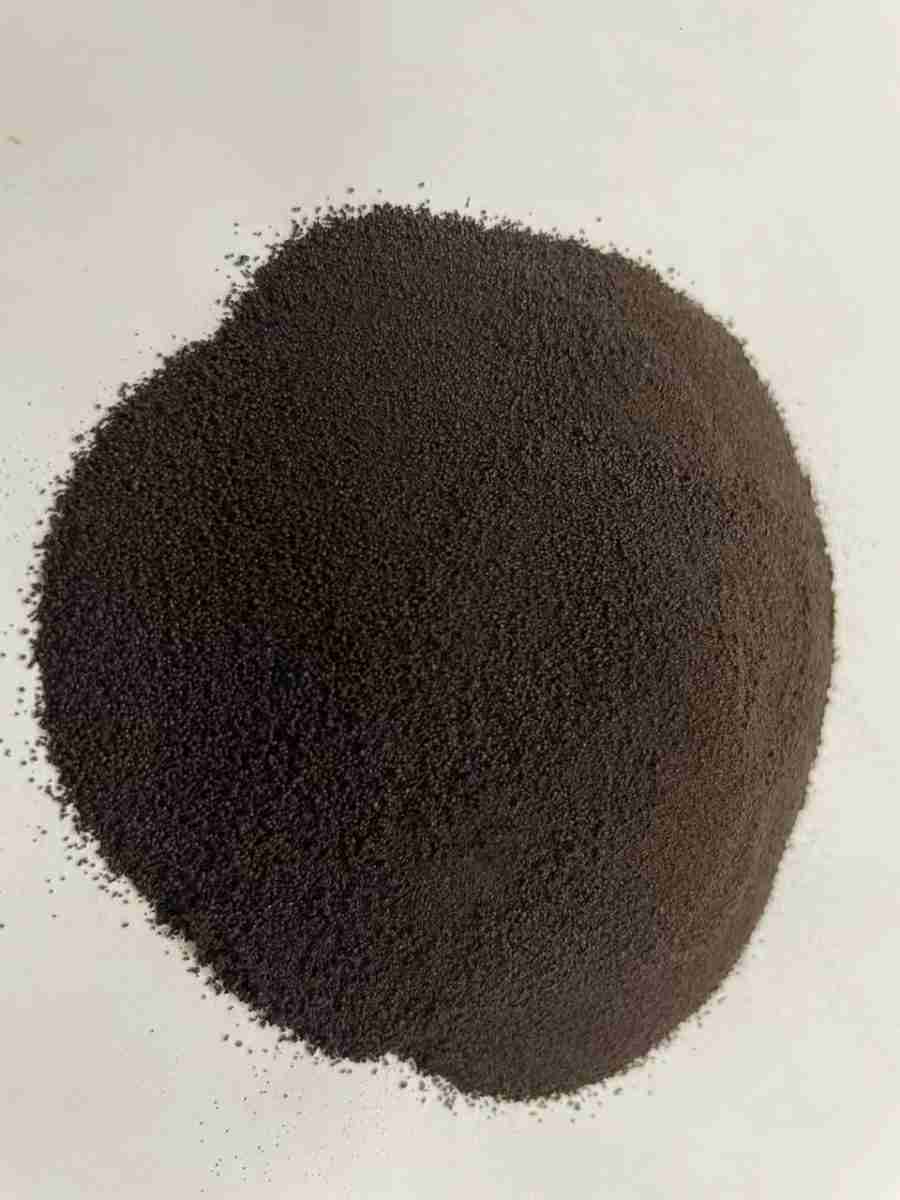
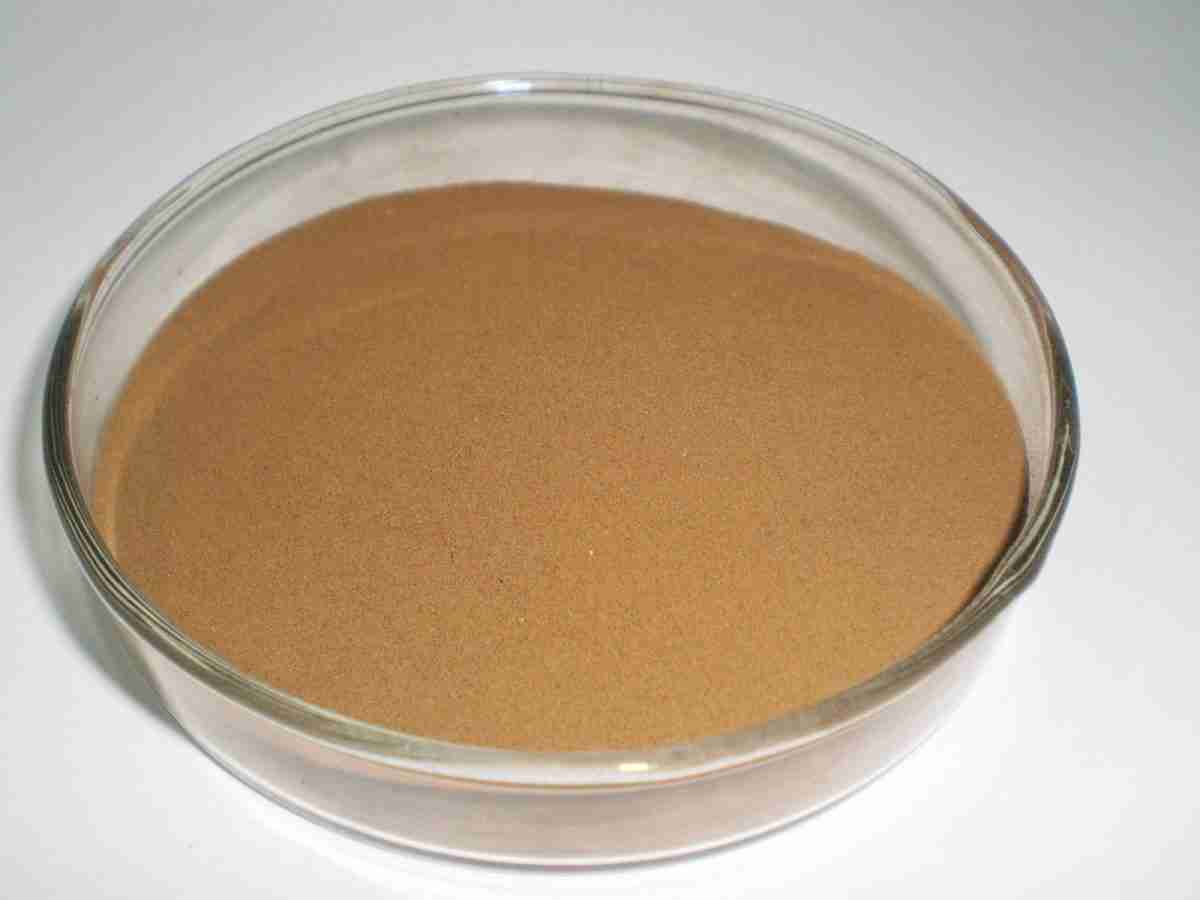
Lignosulfonates are organic compounds made from lignin, a natural polymer found in wood that gives plants their structure. During paper production, lignin is treated with sulfite chemicals, creating water-soluble lignosulfonates. These compounds have a unique structure that makes them excellent at dispersing particles and improving the flow of materials like clay. In brick and ceramic production, lignosulfonates are added to clay mixtures to make them easier to work with, reduce water use, and improve the strength of unfired products.
Role as a Plasticizer
In brick and ceramic manufacturing, a plasticizer is a substance that makes clay softer and more moldable, allowing it to be shaped into bricks, tiles, or ceramic objects without cracking or sticking. Lignosulfonates are highly effective plasticizers because they help clay particles slide past each other more easily, creating a smooth, workable mixture.
- How They Work:
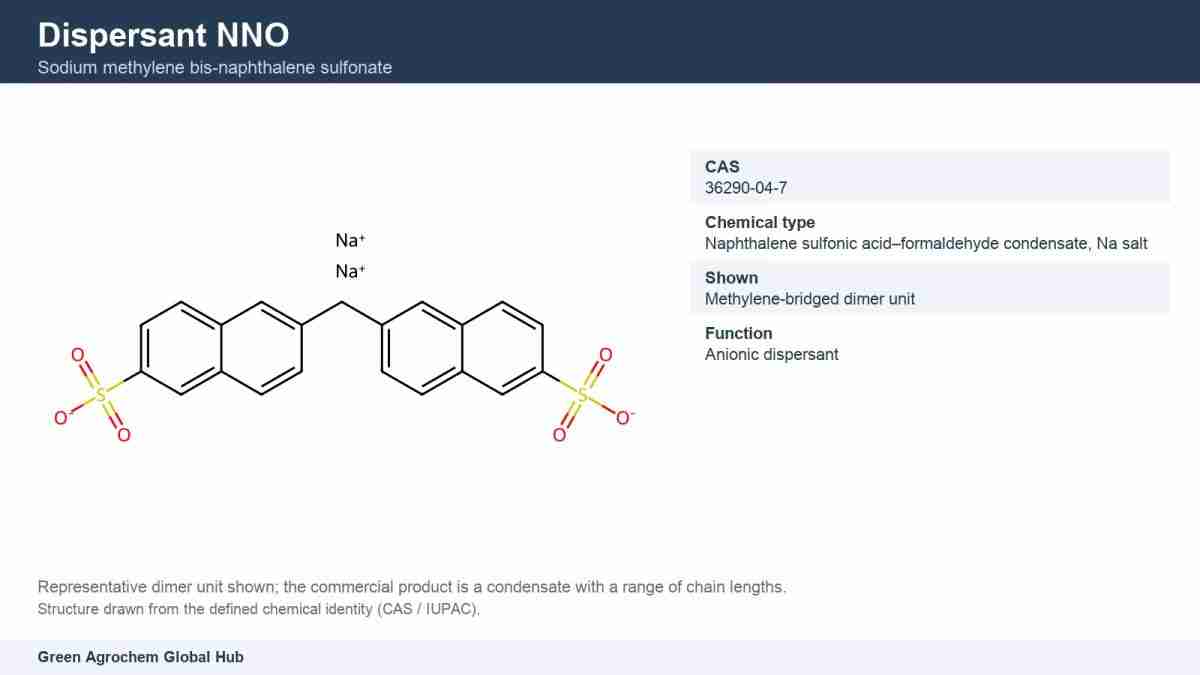
- Lignosulfonates have a chemical structure with negatively charged sulfonate groups, which act like tiny magnets pushing clay particles apart. This prevents the particles from clumping together, making the clay mixture less sticky and more fluid.
- By keeping clay particles evenly spread out, lignosulfonates allow manufacturers to use less water while still achieving a soft, moldable consistency.
- This improved flowability means the clay can be shaped more easily, whether it’s being pressed into molds, extruded into brick shapes, or poured into casts for ceramics.
- Benefits of Using Lignosulfonates as Plasticizers:
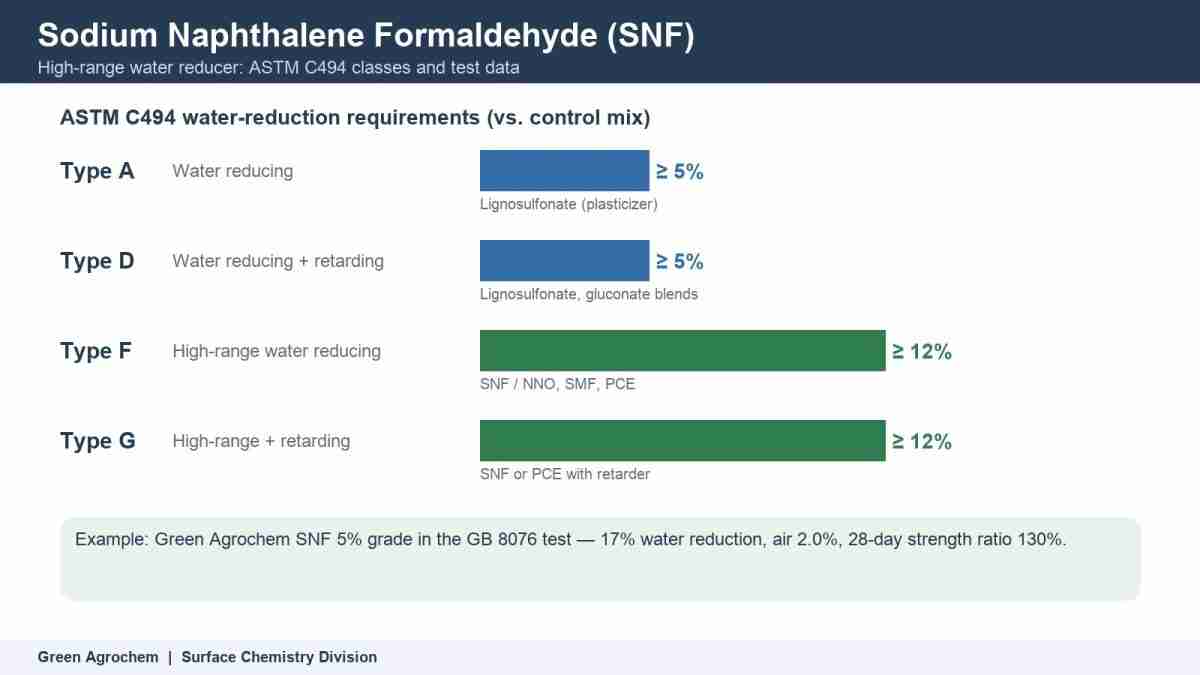
- Less Water Needed: Lignosulfonates can reduce the amount of water required in clay mixtures by 10–20%. Less water means faster drying times, which saves energy and reduces the risk of cracks forming as the clay dries.
- Easier Shaping: The clay becomes smoother and more pliable, making it easier to extrude into bricks or mold into intricate ceramic shapes like tiles or pottery.
- Energy Savings: With less water to evaporate during drying and firing, manufacturers save on fuel and electricity, lowering production costs and environmental impact.
- Smoother Surfaces: Lignosulfonates help create bricks and ceramics with fewer surface defects, like roughness or tiny cracks, which is especially important for high-quality products like facing bricks or decorative tiles.
- Affordable and Sustainable: Lignosulfonates are made from renewable wood sources and are much cheaper than synthetic alternatives, making them a budget-friendly choice for large-scale production. They’re also biodegradable and non-toxic, supporting eco-friendly manufacturing.
- Real-World Impact:
- In brick factories, lignosulfonates make the extrusion process smoother, reducing wear and tear on machines and producing bricks with consistent shapes and sizes.
- In ceramic production, they improve the flow of clay slurries (liquid clay mixtures) used in processes like slip casting, where clay is poured into molds to create items like sinks, vases, or technical ceramics.
Role as an Additive
Beyond making clay easier to shape, lignosulfonates serve as multifunctional additives that improve the overall production process and the quality of the final product. They contribute to the strength, uniformity, and durability of bricks and ceramics before and after firing.
- Strengthening Unfired Products:
- Before bricks or ceramics are fired in a kiln, they’re called “green” products and can be fragile. Lignosulfonates act like a glue, holding clay particles together and making the green bricks or ceramics stronger. This reduces breakage during handling, stacking, or transport to the kiln.
- Stronger green products mean fewer losses during production, saving time and money.
- Preventing Clumping:
- Lignosulfonates keep clay particles evenly dispersed in the mixture, preventing clumps that could lead to uneven textures or weak spots in the final product.
- In ceramics, this is especially important for slurries used in slip casting, where clumping can cause defects like air bubbles or uneven thickness.
- Clean Burnout During Firing:
- When bricks or ceramics are fired in a kiln, lignosulfonates burn away completely at temperatures between 300–600°C, leaving little to no residue. This ensures they don’t affect the final structure or appearance of the product.
- In some cases, the burnout of lignosulfonates can create tiny pores in the material, which is useful for products like porous bricks or ceramic filters.
- Improved Surface Quality:
- Lignosulfonates reduce surface imperfections like cracks, laminations, or rough patches, resulting in smoother, more attractive bricks and ceramics. This is critical for products like facing bricks (used for visible walls) or ceramic tiles, where appearance matters.
- Eco-Friendly Properties:
- Unlike some synthetic additives that release harmful gases during firing, lignosulfonates are natural and environmentally safe. Their use supports greener manufacturing practices, which are increasingly important in the construction and ceramics industries.
Applications in Brick and Ceramic Production
Lignosulfonates are used in a variety of brick and ceramic manufacturing processes, each benefiting from their ability to improve workability and product quality.
- Brick Manufacturing:
- Extruded Bricks: Most bricks are made by extruding clay through a machine to form long, continuous shapes that are then cut into individual bricks. Lignosulfonates make the clay softer and easier to push through the extruder, reducing strain on the equipment and producing bricks with smooth, uniform surfaces.
- Facing Bricks: These are high-quality bricks used for visible surfaces, like building facades. Lignosulfonates ensure a flawless finish and reduce defects that could affect appearance.
- Structural Bricks: For bricks used in load-bearing walls, lignosulfonates improve green strength, making them easier to handle before firing.
- Drying and Firing: By reducing water content, lignosulfonates shorten drying times and lower the energy needed to fire bricks, which can reach temperatures of 1000–1200°C.
- Ceramic Manufacturing:
- Slip Casting: In this process, liquid clay (slip) is poured into molds to create items like sinks, toilets, or decorative pottery. Lignosulfonates reduce the viscosity of the slip, making it flow smoothly and fill molds evenly, while also helping the casted piece release from the mold without sticking.
- Ceramic Tiles: Lignosulfonates improve the pressing process for tiles, ensuring uniform thickness and reducing cracks or warping. They’re used for both floor and wall tiles, where smooth surfaces and durability are essential.
- Technical Ceramics: These are high-performance ceramics used in industries like electronics, aerospace, or medical devices. Lignosulfonates help create stable, uniform slurries for precise molding or even 3D printing of complex shapes.
- Porous Ceramics: For applications like water filters or insulation materials, lignosulfonates help control the formation of pores during firing, ensuring the right balance of strength and porosity.
Types of Lignosulfonates Used
Different forms of lignosulfonates are chosen based on the specific needs of the clay and the manufacturing process:
- Sodium Lignosulfonate:
- The most common type, widely used because it dissolves easily in water and works well with many clay types.
- Ideal for brick extrusion and ceramic slip casting, where strong dispersion and smooth flow are needed.
- Calcium Lignosulfonate:
- Used when the clay contains calcium or when sodium-based additives might cause issues. It’s less soluble than sodium lignosulfonate but still effective in many applications.
- Common in brick production with calcium-rich clays.
- Ammonium Lignosulfonate:
- Less frequently used but suitable for specific ceramic processes where ammonia release during firing isn’t a problem.
- Often chosen for niche applications requiring mild dispersion.
Dosage and Practical Tips
- How Much to Use: Lignosulfonates are typically added at 0.1–0.5% of the dry weight of the clay. The exact amount depends on:
- The type of clay (e.g., kaolin, which is less plastic, may need more lignosulfonate than montmorillonite, which is naturally soft).
- The desired texture and flow of the clay mixture.
- The manufacturing process (extrusion, pressing, or casting).
- Things to Watch For:
- Clay Type: Different clays react differently to lignosulfonates. For example, clays with high plasticity need less additive, while stiffer clays may require more.
- pH Levels: Lignosulfonates work best in clay mixtures with a slightly acidic to neutral pH (around 5–7). If the mixture is too acidic or too basic, the additive may not perform as well.
- Overdosing: Adding too much lignosulfonate can make the clay too slippery, leading to problems like slow drying, weak green strength, or water pooling on the surface (called bleeding). Manufacturers should test small batches to find the right amount.
- Mixing with Other Additives: Lignosulfonates are often used alongside other materials, like sodium silicate (a deflocculant) or organic binders. Care must be taken to ensure they work well together and don’t cause issues like clumping.
- Testing for Best Results:
- Manufacturers often run tests to measure the clay’s viscosity, drying behavior, and strength after adding lignosulfonates. These tests help fine-tune the dosage for each specific clay and process.
- Small-scale trials in a factory setting can confirm how the additive performs under real production conditions.
Why Lignosulfonates Are Popular
- Cost-Effective: Lignosulfonates are much cheaper than synthetic plasticizers, often costing just $0.2–0.5 per kilogram, depending on the region and supplier. This makes them ideal for large-scale production.
- Sustainable: As a byproduct of the paper industry, lignosulfonates are made from renewable wood sources and are biodegradable, supporting environmentally friendly manufacturing.
- Versatile: They work with a wide range of clays and processes, from basic bricks to high-tech ceramics, making them a go-to choice for many manufacturers.
- Proven Performance: Lignosulfonates have been used for decades in the industry, with well-established benefits like reduced water use, improved workability, and better product quality.
Challenges to Consider
- Variability: Because lignosulfonates come from natural wood, their composition can vary depending on the type of wood (hardwood or softwood) and the pulping process. Manufacturers may need to adjust their recipes to account for these differences.
- Burnout Limitations: While lignosulfonates burn out cleanly at moderate temperatures, they may not be suitable for ceramics fired at extremely high temperatures (e.g., above 1400°C) or in specific atmospheres, where other additives might perform better.
- Competition with Synthetics: In some high-tech ceramic applications, synthetic plasticizers offer better precision or performance, though they’re more expensive and less sustainable.
- Regulations: While lignosulfonates are generally safe, manufacturers must ensure they meet local regulations, especially for ceramics used in food contact (like plates or mugs) or medical applications.
Real-World Examples and Insights
- Industry Data: Studies show lignosulfonates can reduce water use in brick production by up to 20%, saving significant energy during drying and firing. In ceramics, they improve slurry stability, reducing defects by 10–15% in slip casting.
- Market Trends: The global lignosulfonate market is growing, driven by demand in construction and ceramics. Sodium lignosulfonate is the most popular type, making up over half of the market due to its versatility.
- Feedback from Manufacturers: Industry sources report that lignosulfonates can cut energy costs by up to 15% in brick production by reducing drying times. They’re also praised for improving the surface quality of facing bricks and tiles, boosting their market value.