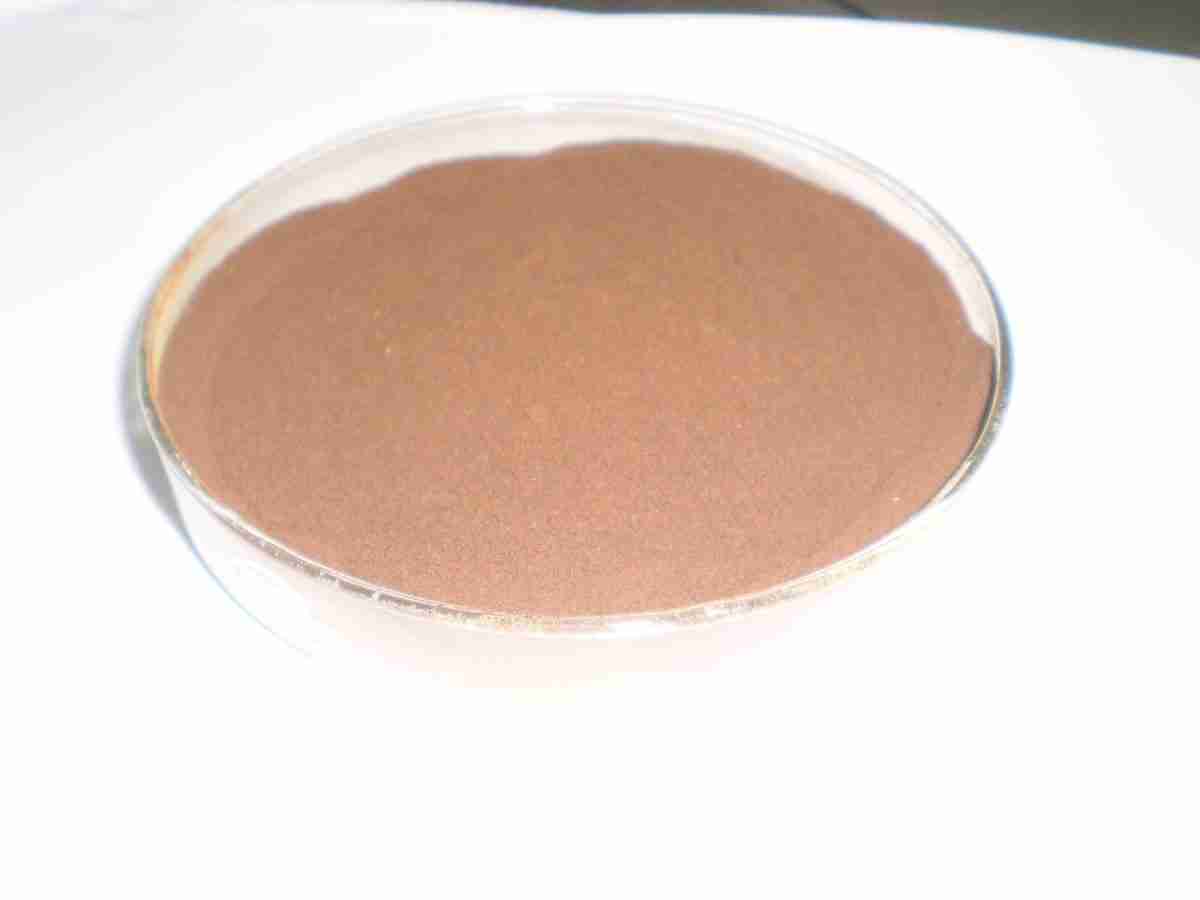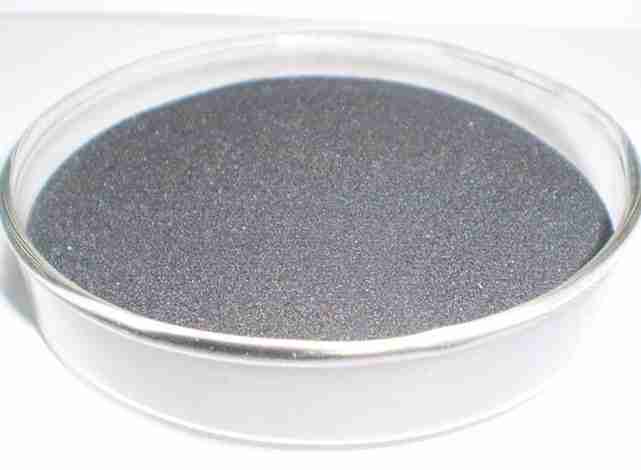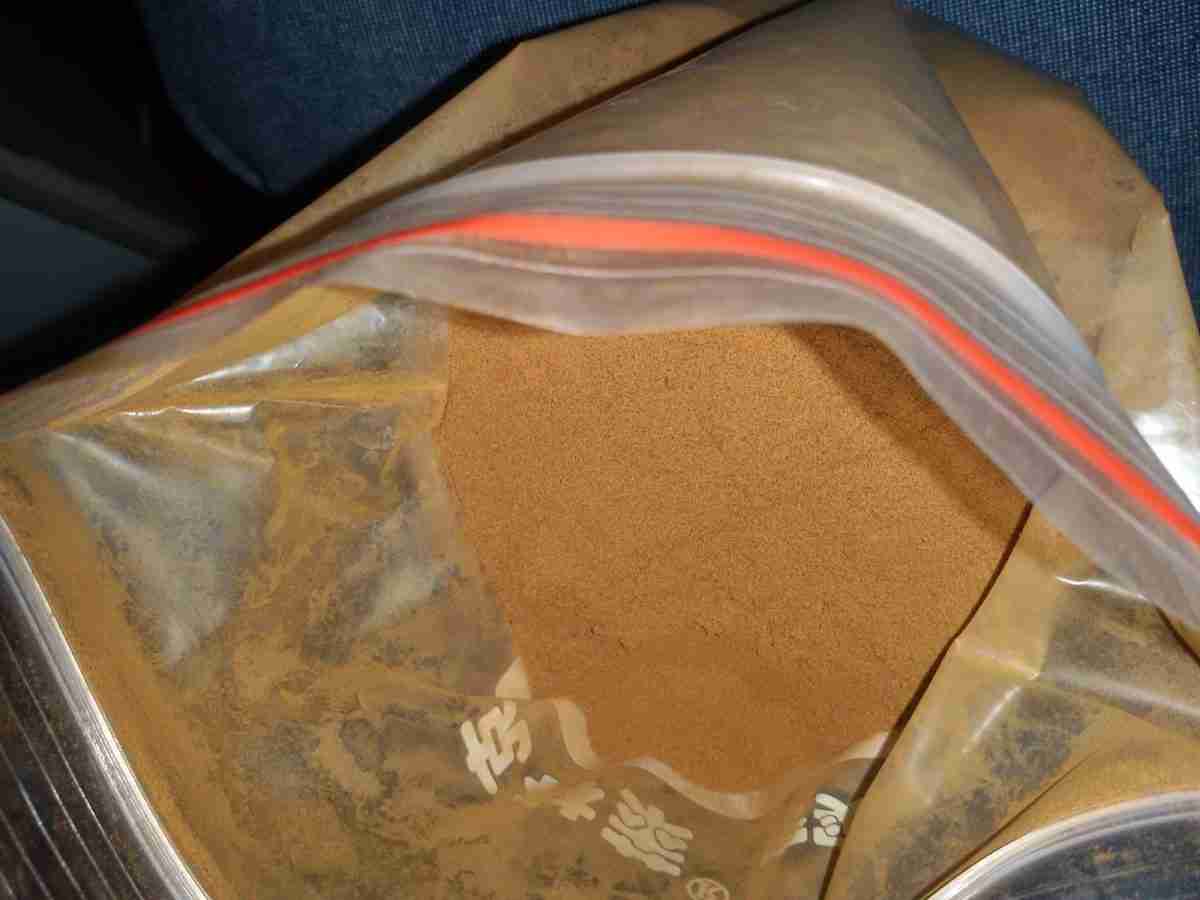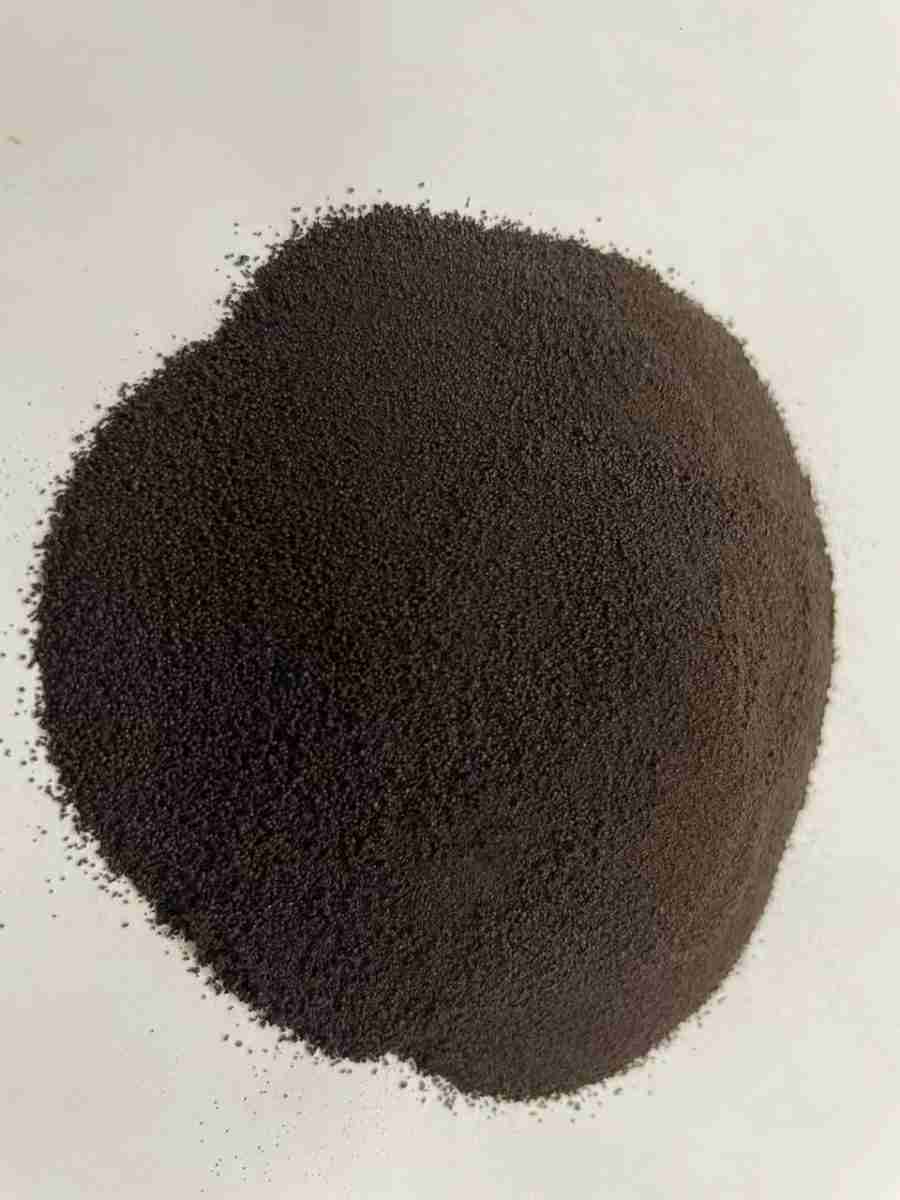


Lignosulfonates are versatile, eco-friendly additives widely used in the textile and dyeing industry. Derived from lignin—a natural polymer found in wood—they are water-soluble compounds that enhance dyeing processes and improve fabric quality. Below, we explore their role, benefits, and challenges in textile applications.
What Are Lignosulfonates?
Lignosulfonates are byproducts of the paper pulping process, where lignin is extracted from wood and chemically modified into a water-soluble, anionic surfactant. Their unique properties make them valuable in various industries, including textiles, where they play a key role in dyeing and fabric processing.
Role in Textile and Dyeing
In the textile and dyeing industry, lignosulfonates serve several critical functions:
- Dispersants: They prevent dye particles from clumping in the dye bath, ensuring even distribution of color across the fabric. This is essential for achieving consistent, high-quality results.
- Leveling Agents: By controlling the rate at which dyes are absorbed, lignosulfonates help avoid uneven dyeing, streaking, or patchiness, particularly on fabrics like polyester and acetate.
- pH Stabilizers: They maintain the optimal pH in the dye bath, which is crucial for consistent dye performance and color development.
- Wetting Agents: Lignosulfonates improve fabric absorbency, allowing dyes to penetrate more effectively.
- Emulsifiers: They stabilize mixtures in the dye bath, enhancing overall process efficiency.
These properties make lignosulfonates especially effective for disperse dyes, vat dyes, and acid dyes, where uniform dispersion and penetration are vital.
Advantages of Lignosulfonates
Lignosulfonates offer several benefits that make them a popular choice in textile dyeing:
- Eco-Friendliness: Being renewable, biodegradable, and non-toxic, they align with the industry’s push for sustainable practices, serving as a greener alternative to synthetic chemicals.
- Cost-Effectiveness: As a byproduct of paper production, lignosulfonates are abundant and relatively inexpensive, reducing manufacturing costs.
- Improved Fabric Quality: They enhance dye dispersion and stability, leading to better color fastness and fewer defects like uneven coloring.
- Versatility: Their utility extends beyond textiles to industries like construction and agriculture, showcasing their multifunctional nature.
Challenges and Limitations
Despite their advantages, lignosulfonates come with some drawbacks:
- Inconsistent Quality: Variations in source (e.g., softwood vs. hardwood) and production processes can affect their performance, leading to unpredictable dyeing outcomes.
- Environmental Trade-Offs: While lignosulfonates are eco-friendly, their production is tied to the paper industry, which has its own environmental footprint. Improper management could also contribute to textile wastewater pollution.
- Supply Chain Risks: Dependence on the paper industry means that disruptions in lignosulfonate availability could increase costs or force manufacturers to seek alternatives.
- Performance Limits: In high-end applications, they may not match the strength or durability of synthetic options, limiting their use in specialized textiles.
Sustainability and Broader Implications
Lignosulfonates support the textile industry’s sustainability goals by reducing reliance on harsh chemicals. However, their environmental benefits must be weighed against the resource-intensive nature of their production. True sustainability in textiles requires addressing broader issues like water usage and chemical waste, rather than relying solely on additives like lignosulfonates. Additionally, fluctuations in the paper industry could impact their supply, highlighting the need for diversified sourcing and innovation in greener alternatives.
Conclusion
Lignosulfonates are a valuable tool in textile and dyeing, offering improved dye dispersion, uniform coloring, and eco-friendly benefits at a low cost. However, challenges like inconsistent quality and potential supply issues mean their use must be carefully managed. As part of a broader sustainability strategy, lignosulfonates can help the industry move toward greener practices, but they are not a complete solution on their own.