

The benefits of magnesium lignosulfonate come from three properties: it disperses particles, binds powders and is water-soluble. This page lists the practical benefits and their limits.
Benefits by Use
| Use | Benefit | Limit to check |
|---|---|---|
| Concrete | Reduces water demand at the same workability | Can retard setting and entrain air; test mixes |
| Cement milling | Grinding aid and slurry deflocculant | Dosage by trial |
| Ceramics and foundry | Raises green strength as a binder | Burn-out during firing |
| Ores, coal, coke | Binds fines into pellets and briquettes | Water-soluble; may weaken in rain |
| Dust control | Binds surface fines | Re-treatment needed after heavy rain |
| Feed pellets (Feed Grade) | Pellet binder | EU limits 8,000 – 10,000 mg/kg |
Why Magnesium Instead of Calcium or Sodium?
Magnesium lignosulfonate works like the calcium and sodium forms. It is chosen where its magnesium content fits the application, or where a magnesium-base product is available locally. Comparisons: magnesium vs sodium and magnesium vs calcium.
Other Practical Benefits
- Made from a by-product of wood pulping.
- Readily soluble in water.
- Not classified as hazardous under normal handling (SDS).
- Available as powder or liquid.
| Grade (code) | Form | Lignosulphonate (dry basis) | pH | Other key values |
|---|---|---|---|---|
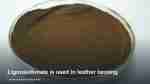
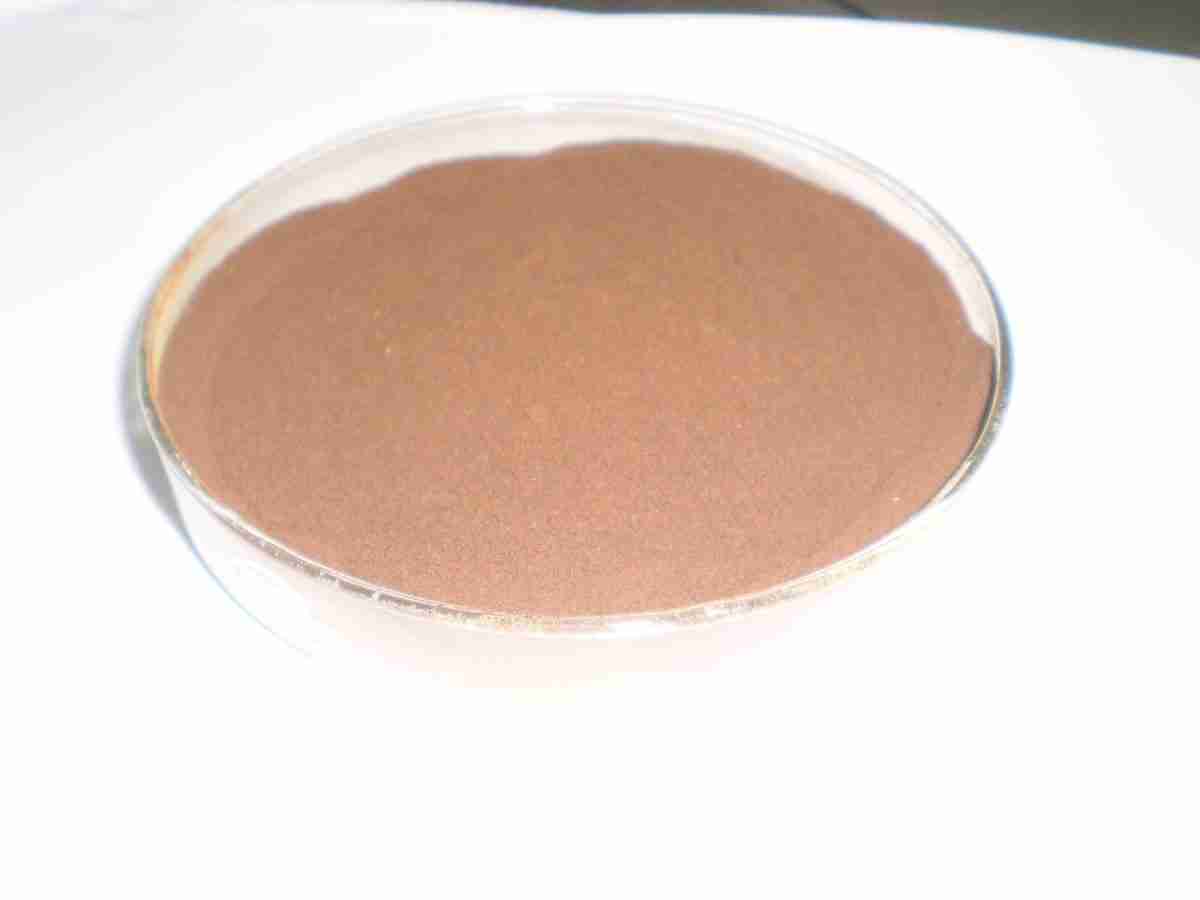
| Grade One (GAC-MgLS-1) | Yellow-brown powder | 55% min | 4 – 7 | Total Mg + Ca 8% min; insolubles 1.0% max; reducing matter 7% min |
| Grade Two (GAC-MgLS-2) | Powder | 50% min | around 10 | Total Mg + Ca 5% min; insolubles 1.5% max |
| Liquid (GAC-MgLS-L) | Liquid, about 45% solids | 50% min | — | Insolubles 1% max; reducing sugar about 7% |
| Feed Grade (GAC-MgLS-Feed) | Light to dark brown powder | 55% min | 4.5 – 6.5 | Pb 10, As 3, Cd 1 mg/kg max; Salmonella negative in 25 g |
Grades and documents: magnesium lignosulfonate product page. Industrial supply: LigninCorp. Chemistry and comparisons: lignosulfonate.com.
Benefits in More Detail
Concrete and cement
As a water reducer it lets concrete reach the target slump with less water. In cement plants it is used as a grinding aid and to lower the viscosity of raw-mix slurry. Check setting time, because lignosulfonates retard cement.
Binding powders
Ore fines, coal, coke and ceramic bodies gain green and dry strength because the dried lignosulfonate film bridges the particles.
Dispersing solids
In pesticide, dye and carbon-black formulations it keeps particles separated and suspended.
Feed pellets
The Feed Grade binds pellets. EFSA (2015) found lignosulphonate effective from 7,500 mg/kg feed; the EU maximum is 8,000 – 10,000 mg/kg.
Grade Comparison
| Property (Grade One) | Magnesium (GAC-MgLS-1) | Calcium (GAC-CaLS-1) | Sodium (GAC-NaLS-1) |
|---|---|---|---|
| CAS | 8061-54-9 | 8061-52-7 | 8061-51-6 |
| Lignosulphonate (dry basis) | 55% min | 55% min | 55% min |
| Ca + Mg | 8% min (total Mg + Ca) | 5 – 8% | 0.5% max |
| Water-insoluble matter | 1.0% max | 1.5% max | 1.5% max |
| pH | 4 – 7 | — | 7.0 – 9.5 (10% solution) |
| Moisture | 5% max | 5% max | 5% max |
Frequently Asked Questions
What are the benefits of magnesium lignosulfonate?
It disperses particles, binds powders and is water-soluble, which makes it useful as a concrete plasticizer, binder, dust suppressant and feed pellet binder.
Is magnesium lignosulfonate better than calcium lignosulfonate?
Neither is generally better; they work in similar ways. Choose by the cation that suits your process and by availability.
Is magnesium lignosulfonate environmentally friendly?
It is made from a pulping by-product and the SDS describes it as more readily biodegradable than synthetic dispersants, but it adds organic load to water, so keep it out of waterways.
Does magnesium lignosulfonate improve concrete strength?
Any strength gain comes from the lower water-cement ratio it allows; measure it in trial mixes.