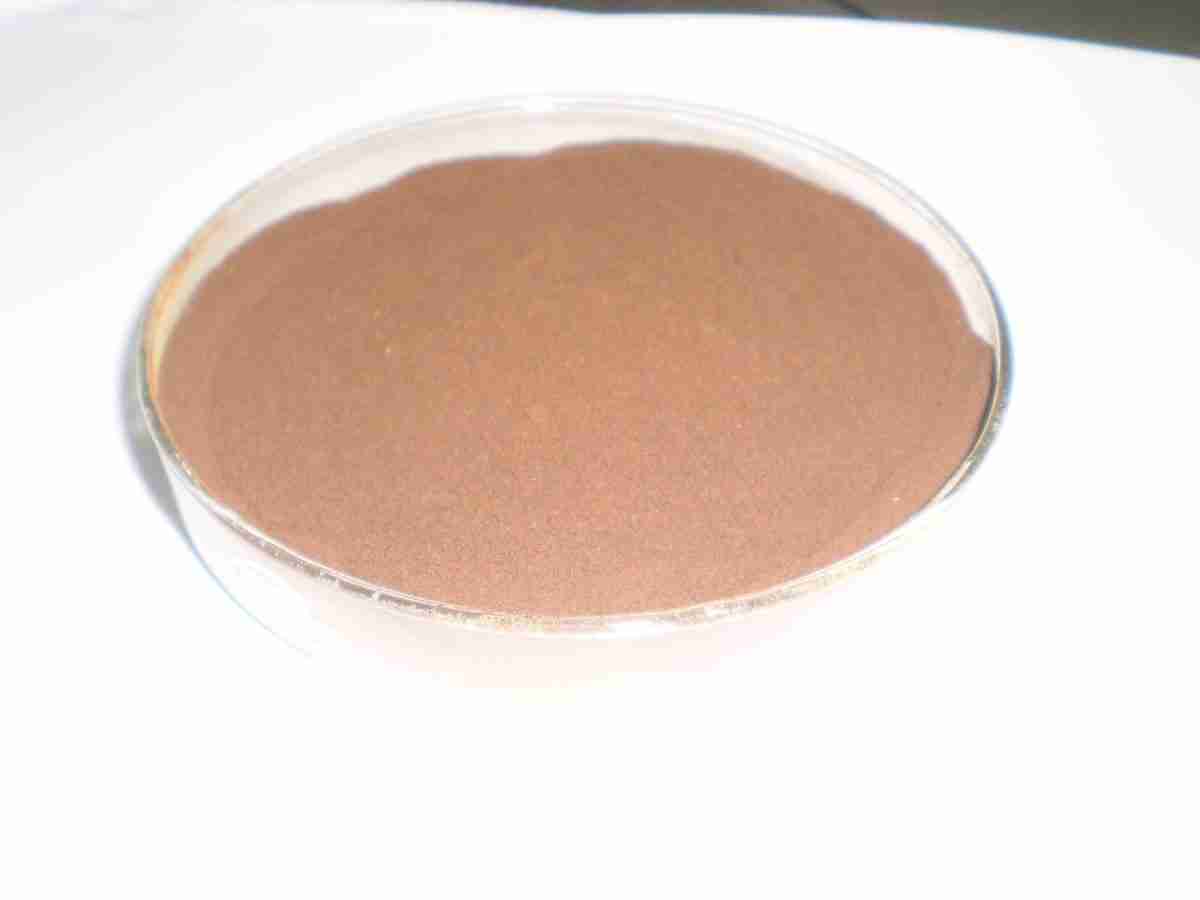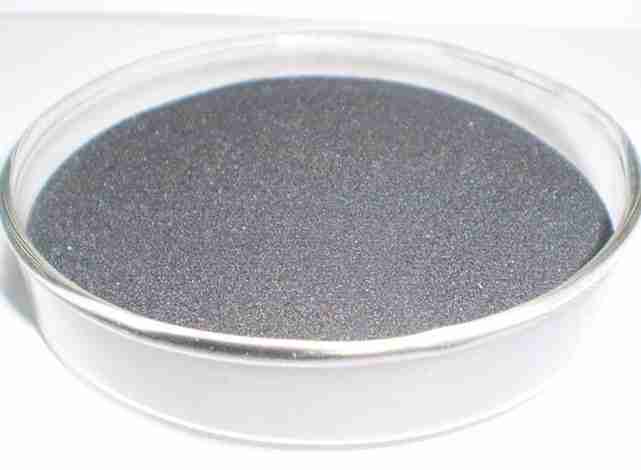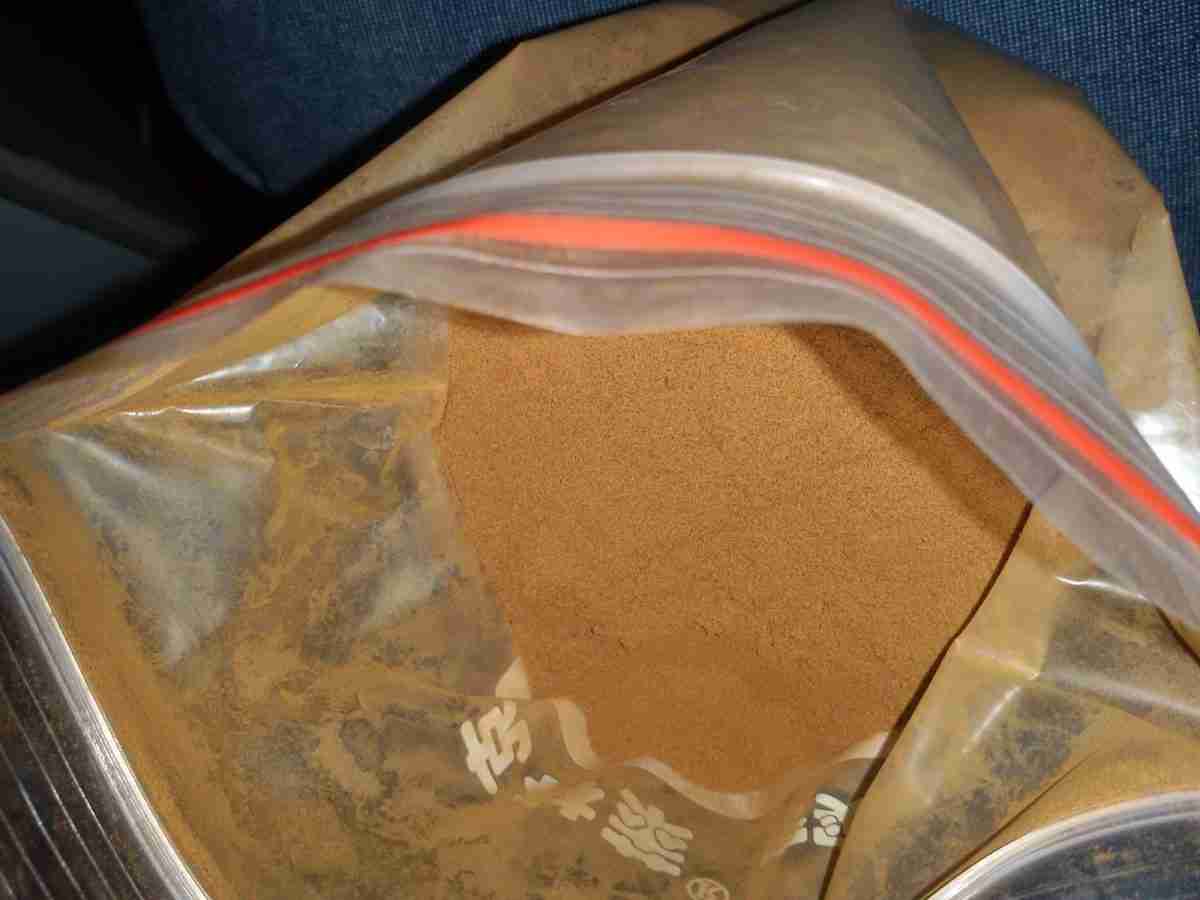


Lignosulfonates, particularly sodium lignosulfonate (SLS), are used in CWS for the following purposes:
- Dispersant:
- Lignosulfonates reduce the viscosity of CWS by dispersing coal particles, preventing aggregation and sedimentation.
- Their sulfonate groups create electrostatic repulsion between coal particles, while the hydrophobic lignin backbone adsorbs onto coal surfaces, stabilizing the suspension.
- Stabilizer:
- They enhance the stability of CWS by forming a protective layer around coal particles, reducing settling during storage and transport.
- This ensures a uniform coal concentration, critical for consistent combustion.
- Rheology Modifier:
- Lignosulfonates lower the slurry’s viscosity, improving its pumpability and atomization in burners.
- They enable higher coal loading (up to 70%) without compromising flowability, increasing the energy density of the fuel.
- Emission Reducer:
- During combustion, lignosulfonates help reduce emissions of sulfur dioxide (SO₂) and particulate matter by binding sulfur compounds and promoting cleaner burning.
Mechanisms of Action
- Electrostatic Repulsion: Sulfonate groups impart a negative charge to coal particles, preventing aggregation through repulsive forces.
- Steric Hindrance: The lignin backbone creates a physical barrier around particles, further stabilizing the suspension.
- Surface Tension Reduction: Lignosulfonates lower the interfacial tension between coal and water, improving wetting and dispersion.
- Combustion Enhancement: Their organic structure contributes to more complete combustion, reducing ash and soot.
Benefits of Lignosulfonates in CWS
- Improved Stability: Prevents sedimentation for weeks, ensuring consistent slurry quality during storage and transport.
- Reduced Viscosity: Lowers slurry viscosity at a given coal content, enabling efficient pumping and atomization.
- Higher Coal Loading: Allows a higher coal content at pumpable viscosity, boosting energy density and reducing water.
- Cost-Effectiveness: As inexpensive byproducts ($0.5–2/kg), lignosulfonates lower additive costs compared to synthetic dispersants.
- Emission Reduction: Coal-water slurry combustion can be cleaner than firing dry coal; emissions depend on the coal and boiler.
- Sustainability: Biodegradable and renewable, lignosulfonates reduce the environmental footprint of CWS production.
Limitations and Challenges
- Variable Performance: Lignosulfonate quality varies by source (e.g., hardwood vs. softwood), affecting dispersion efficiency.
- pH Sensitivity: Optimal performance occurs at pH 6–8; highly acidic or alkaline conditions reduce effectiveness.
- Coal Type Dependence: Efficacy varies with coal properties (e.g., ash content, hydrophobicity), requiring formulation adjustments.
- Thermal Stability: Lignosulfonates may degrade at high combustion temperatures, potentially reducing their effectiveness in some systems.
- Foaming: High concentrations can cause foaming during mixing, which may complicate handling.
Modifications for Enhanced Performance
- Sulfonation Degree Adjustment: Increasing sulfonation enhances dispersion but may reduce adsorption on coal surfaces.
- Blending: Combining with synthetic dispersants (e.g., polycarboxylates) improves performance for challenging coal types.
- Chemical Modification: Grafting hydrophobic groups can improve compatibility with low-rank coals.
- pH Adjustment: Adding alkali (e.g., NaOH) to maintain pH 6–8 optimizes lignosulfonate performance.
- Co-Additives: Using defoamers to mitigate foaming issues during slurry preparation.
Practical Considerations
- Dosage: Typically 0.5–2% by weight of dry coal, depending on coal type and desired viscosity. Higher doses (e.g., 1.5–2%) are used for high-ash coals.
- Coal Particle Size: Optimal particle size is <75 μm for effective dispersion; finer particles increase surface area, requiring more lignosulfonate.
- Mixing: High-shear mixing ensures uniform dispersion; lignosulfonates should be added gradually to avoid clumping.
- pH Control: Adjust slurry pH to 6–8 for maximum stability and dispersion.
- Storage: Store CWS in agitated tanks to prevent settling, as lignosulfonates provide stability but not indefinite suspension.
Environmental and Economic Impact
- Environmental Benefits: Lignosulfonates reduce SO₂ and particulate emissions, making CWS a cleaner alternative to solid coal. Their biodegradability minimizes environmental residue.
- Economic Advantages: Low-cost lignosulfonates reduce additive expenses, while higher coal loading lowers transportation costs. For example, CWS production costs can decrease by 5–10% with lignosulfonates.
Examples and Industry Use
- Viscosity Reduction: Sodium lignosulfonate at about 1% of coal is a typical starting point for viscosity reduction trials.
- Stability: Lignosulfonate-stabilized CWS shows less than 5% settling after 30 days, meeting industrial standards.
- Emission Control: Emission results depend on the coal, sulfur content and boiler, and should be taken from test reports for the specific system.