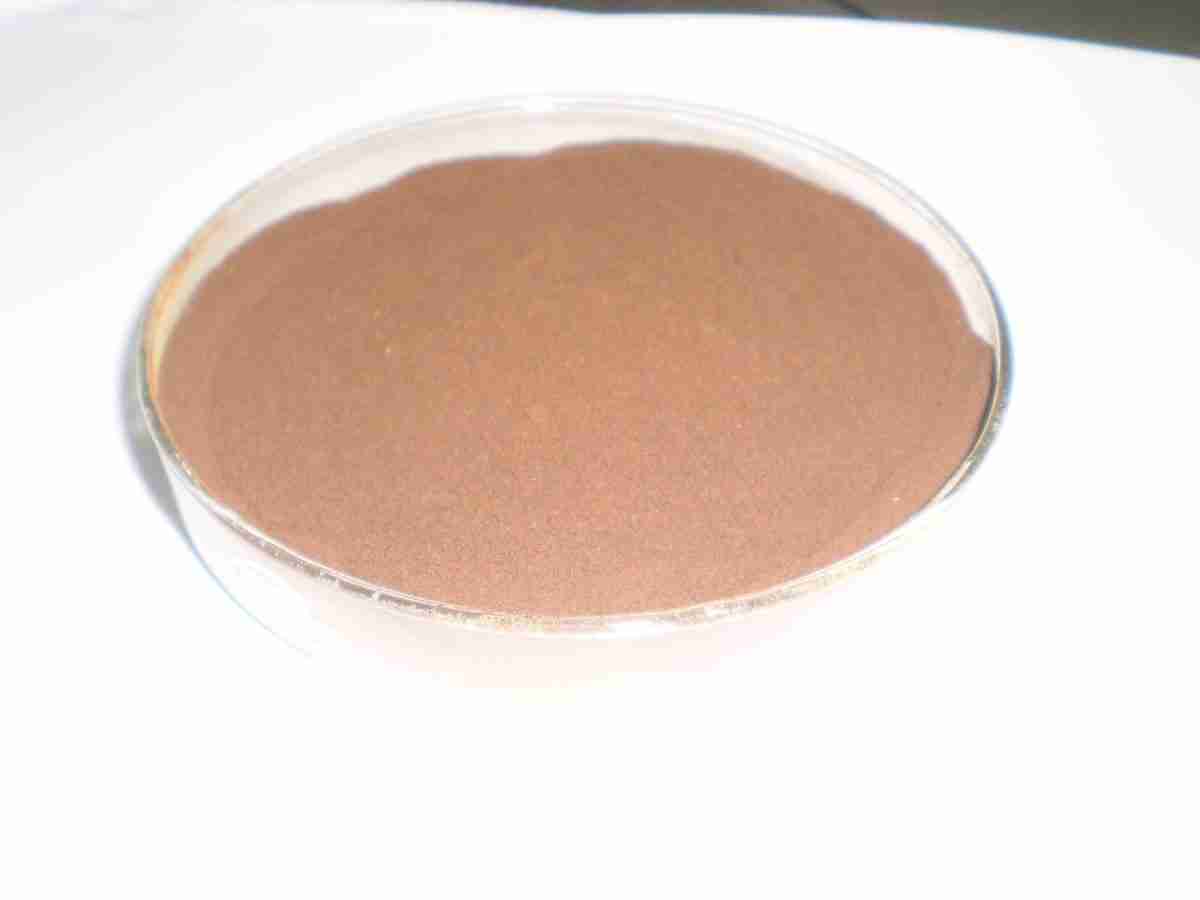


Sodium lignosulfonate (SLS), a water-soluble anionic biopolymer derived from the sulfite pulping process, is widely used as a dispersing agent across various industries due to its surfactant properties, cost-effectiveness, and eco-friendly nature. Its structure—featuring sulfonate, phenolic, and hydroxyl groups—enables it to stabilize suspensions, reduce viscosity, and improve the uniformity of mixtures. Below is a detailed overview of sodium lignosulfonate as a dispersing agent, covering applications, mechanisms, benefits, limitations, and practical considerations.
Sodium lignosulfonate is used as a dispersing agent in the following areas:
- Coal-Water Slurry (CWS) Fuels:
- SLS disperses fine coal particles in water, reducing viscosity and preventing sedimentation in coal-water slurries used as liquid fuels.
- It enables higher coal concentrations (up to 70%), improving energy density and combustion efficiency.
- Concrete and Cement Admixtures:
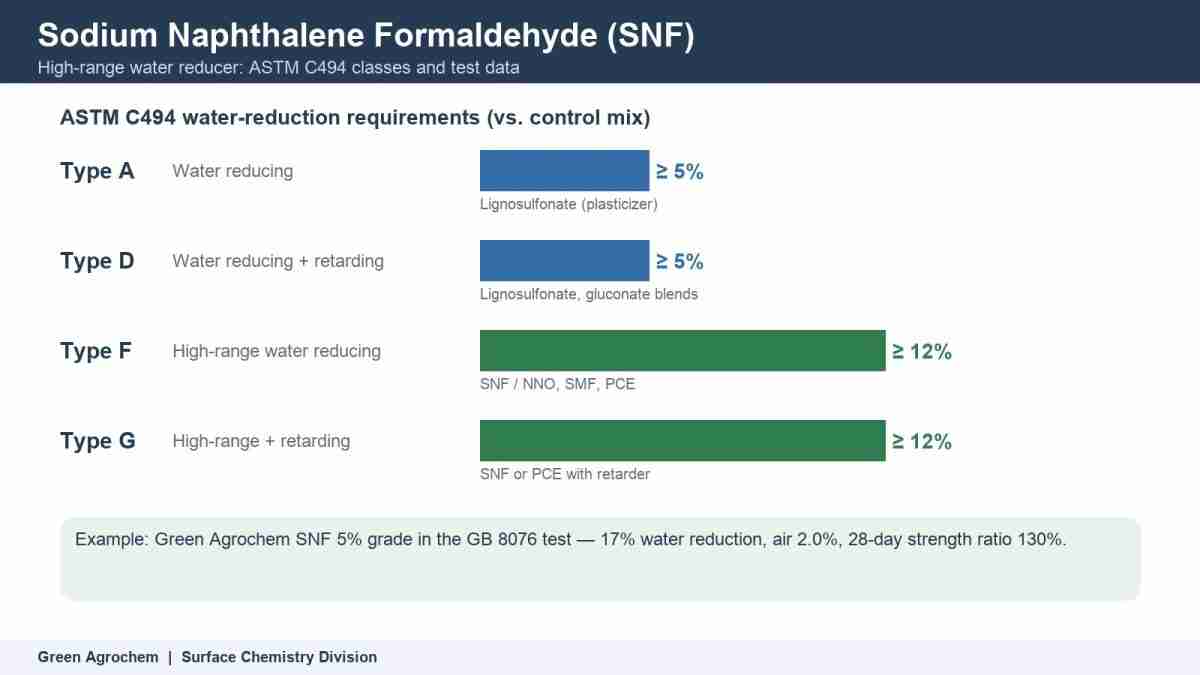
- In concrete production, SLS acts as a water-reducing agent and dispersant, improving the workability of cement paste by dispersing cement particles.
- It enhances flowability, reduces water demand by 10–15%, and improves concrete strength.
- Dye and Pigment Dispersions:
- SLS disperses dyes and pigments in textile and paper industries, ensuring uniform color distribution and preventing agglomeration.
- It is used in aqueous dye solutions at 1–3% concentration to stabilize suspensions and improve dyeing efficiency.
- Pesticide Formulations:
- In agricultural formulations, SLS disperses active ingredients in wettable powders, suspension concentrates, and emulsions, ensuring uniform application.
- It improves sprayability and adhesion to plant surfaces, enhancing pesticide efficacy.
- Ceramics and Refractories:
- SLS disperses clay and ceramic particles in slurries, reducing viscosity and improving casting properties during ceramic production.
- It prevents particle settling, ensuring uniform green body formation at 0.5–2% concentration.
- Carbon Black and Mineral Slurries:
- In rubber and tire manufacturing, SLS disperses carbon black in aqueous systems, improving incorporation into rubber matrices.
- It also disperses mineral slurries (e.g., kaolin, calcium carbonate) in paper coating applications, enhancing coating uniformity.
Mechanisms of Action
- Electrostatic Repulsion: Sulfonate groups impart a negative charge to particles, creating repulsive forces that prevent aggregation.
- Steric Hindrance: The lignin backbone adsorbs onto particle surfaces, forming a physical barrier that stabilizes suspensions.
- Surface Tension Reduction: SLS lowers the interfacial tension between particles and the medium, improving wetting and dispersion.
- Viscosity Reduction: By preventing particle flocculation, SLS reduces the viscosity of suspensions, improving flowability.
Benefits of Sodium Lignosulfonate as a Dispersing Agent
- Cost-Effectiveness: As a pulp industry byproduct ($0.5–2/kg), SLS is significantly cheaper than synthetic dispersants like polycarboxylates.
- Sustainability: Biodegradable and renewable, SLS reduces the environmental impact of industrial processes.
- Versatility: Effective in a wide range of applications, from fuels to construction and agriculture.
- Improved Performance: Enhances suspension stability, reduces viscosity, and ensures uniform particle distribution.
- Compatibility: Works well with various materials, including coal, cement, dyes, pesticides, and ceramics.
- Eco-Friendly: Reduces the need for harsh chemicals in formulations, supporting greener production.
Limitations and Challenges
- Variable Quality: SLS performance varies depending on its source (e.g., hardwood vs. softwood) and degree of sulfonation, affecting consistency.
- pH Sensitivity: Optimal dispersion occurs at pH 6–8; effectiveness decreases in highly acidic or alkaline conditions.
- Hydrophilicity: SLS’s water solubility can lead to reduced effectiveness in non-aqueous systems unless modified.
- Foaming: High concentrations may cause foaming, complicating handling in some applications.
- Lower Efficiency Compared to Synthetics: SLS may require higher doses than synthetic dispersants to achieve similar performance in demanding systems.
Modifications for Enhanced Performance
- Sulfonation Adjustment: Increasing the sulfonation degree enhances dispersion but may reduce adsorption on hydrophobic surfaces.
- Blending: Combining with synthetic dispersants (e.g., naphthalene sulfonates) improves performance in challenging systems like high-ash coal slurries.
- Chemical Modification: Grafting hydrophobic groups improves compatibility with non-polar particles.
- pH Adjustment: Adding alkali (e.g., NaOH) to maintain pH 6–8 optimizes dispersion efficiency.
- Defoaming Agents: Incorporating defoamers mitigates foaming issues during mixing.
Practical Considerations
- Dosage: Typically 0.5–3% by weight, depending on the application (e.g., 1–2% for CWS, 0.5–1% for concrete, 1–3% for dyes).
- Particle Size: Smaller particles (<75 μm) require higher SLS doses due to increased surface area.
- Mixing: High-shear mixing ensures uniform dispersion; SLS should be added gradually to avoid clumping.
- pH Control: Adjust the system pH to 6–8 for optimal performance.
- Temperature: SLS is stable up to 100°C but may degrade in high-temperature processes, requiring formulation adjustments.
Environmental and Economic Impact
- Environmental Benefits: SLS reduces the environmental footprint by replacing synthetic dispersants and minimizing waste in industrial processes. Its biodegradability ensures minimal residue.
- Economic Advantages: Low-cost SLS reduces formulation expenses; for example, it can lower CWS production costs by 5–10% compared to synthetic alternatives.
Examples and Industry Use
- Coal-Water Slurry: SLS at 1% reduces CWS viscosity from 1200 mPa·s to 700 mPa·s, enabling efficient combustion in boilers.
- Concrete: SLS at 0.5% improves concrete workability, reducing water content by 12% and increasing compressive strength by 10%.
- Dye Dispersions: SLS stabilizes textile dye solutions, reducing dye usage by 5–10% due to improved uniformity.
- Pesticides: SLS in wettable powders enhances suspension stability.
Application and Features:
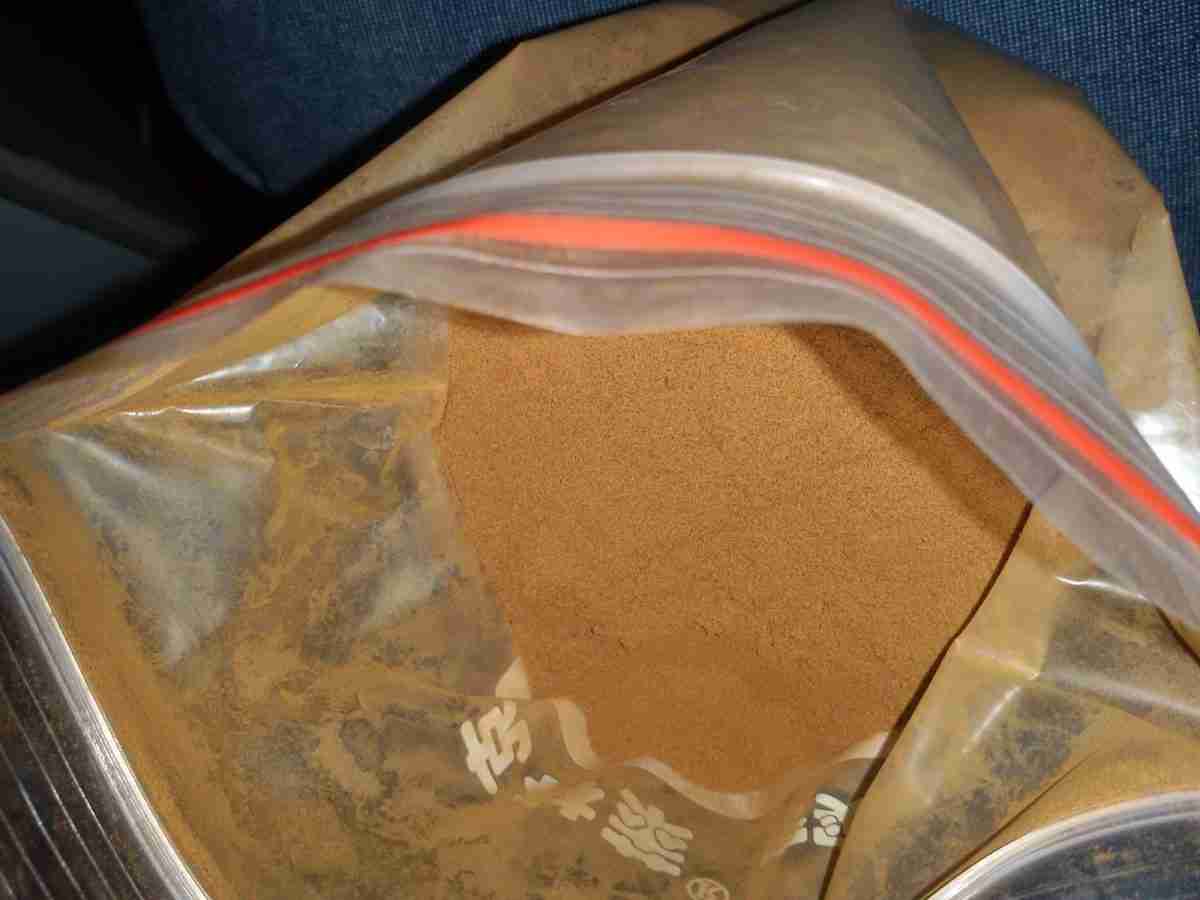
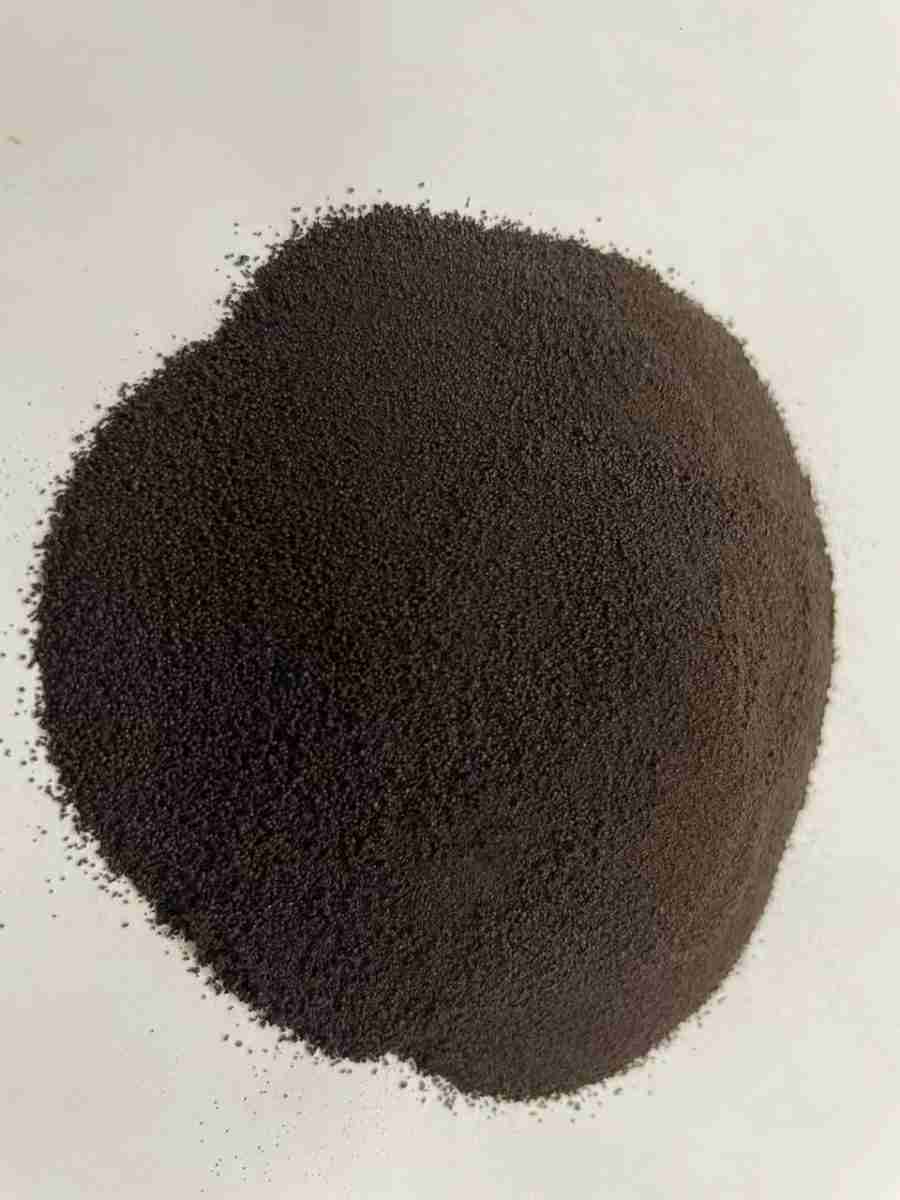
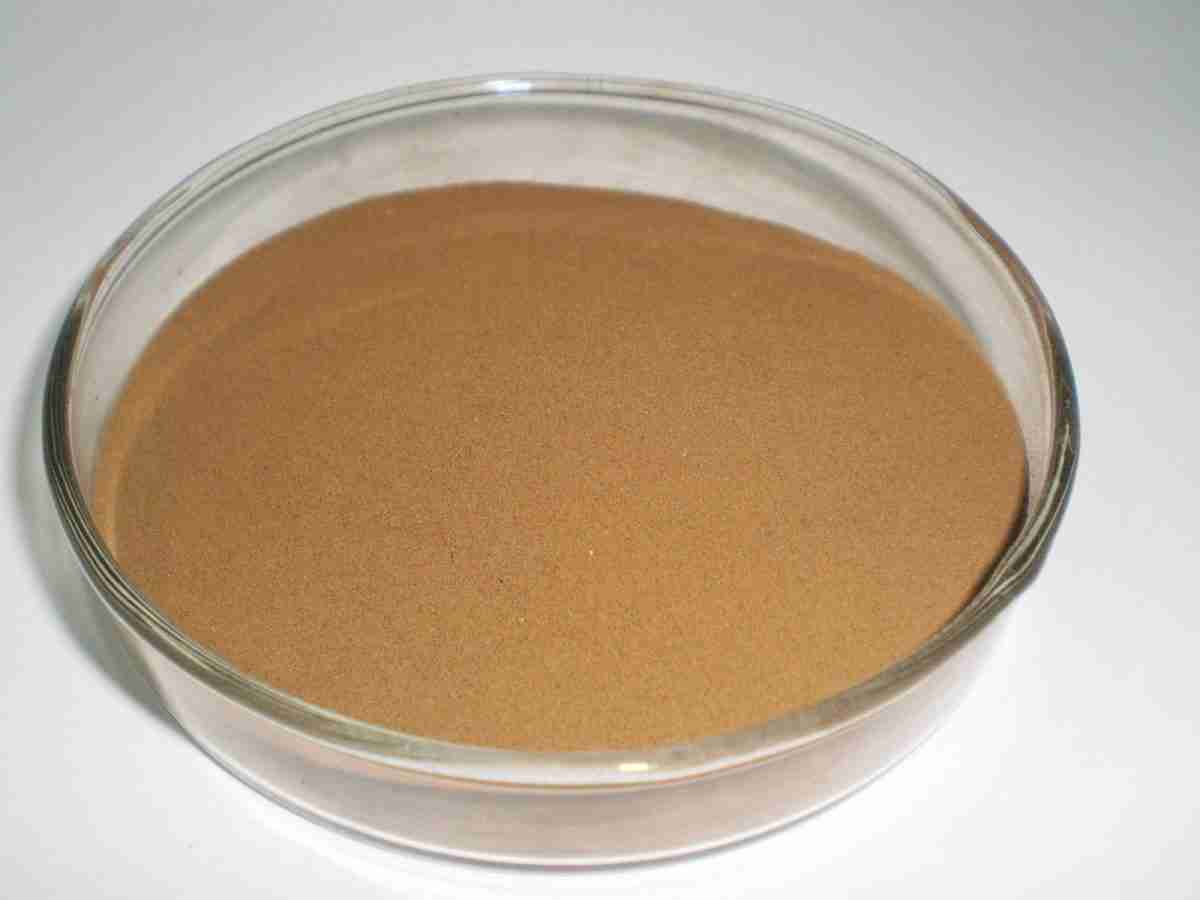
Sodium Lignosulphonate mainly used in disperse dye and vat dye dispersion and fill, Has good grinding effect, dispersion, good thermal stability, high temperature dispersion stability, contamination of the fibers is light, small reduction of azo dyes, without phosphorus, formaldehyde-free, no APEO, quinoline and biodegradable. can be used as acidic, reactive dye filling agent.
Method of Use:
When making dispersant used, according to the processing of the original dye strength, determine the ratio of dye and dispersant, determine the dosage of dispersants, add half of the first sodium lignosulfonate dispersant with dye mill, reach the finish line, to join the other dispersant,this will be work well than all dispersant grinding at once.
Used as filling agent, dye can be added before the spray dry, also can be standardization in dye after spray dried. for different types of dyes, the same dye varieties of different manufacturers, it’s best to do experiments to determine the appropriate dosage of dispersants.
Storage and Packing:
Multi-layer kraft paper bags, 25 kg/bag or tons of bag, ventilated, dry condition, save for 6 months to 2 years.