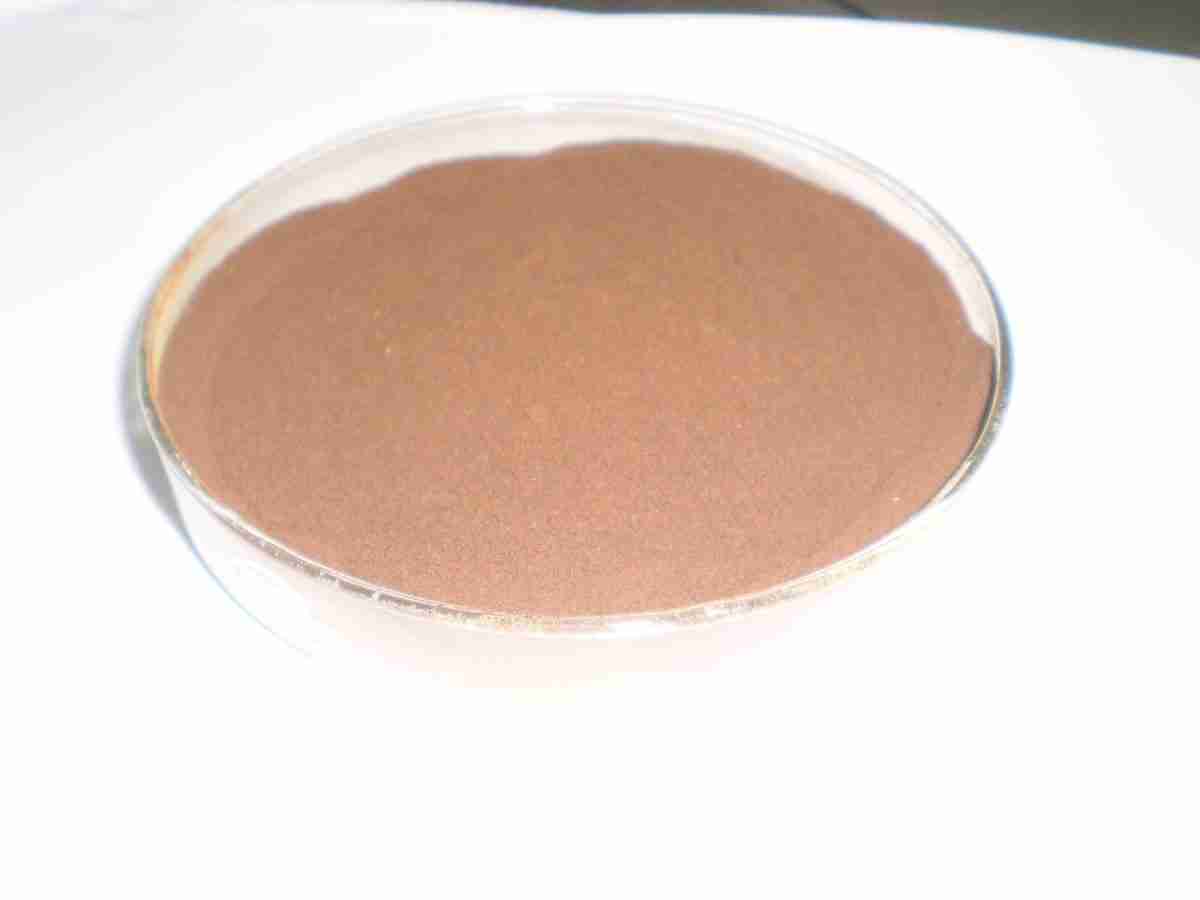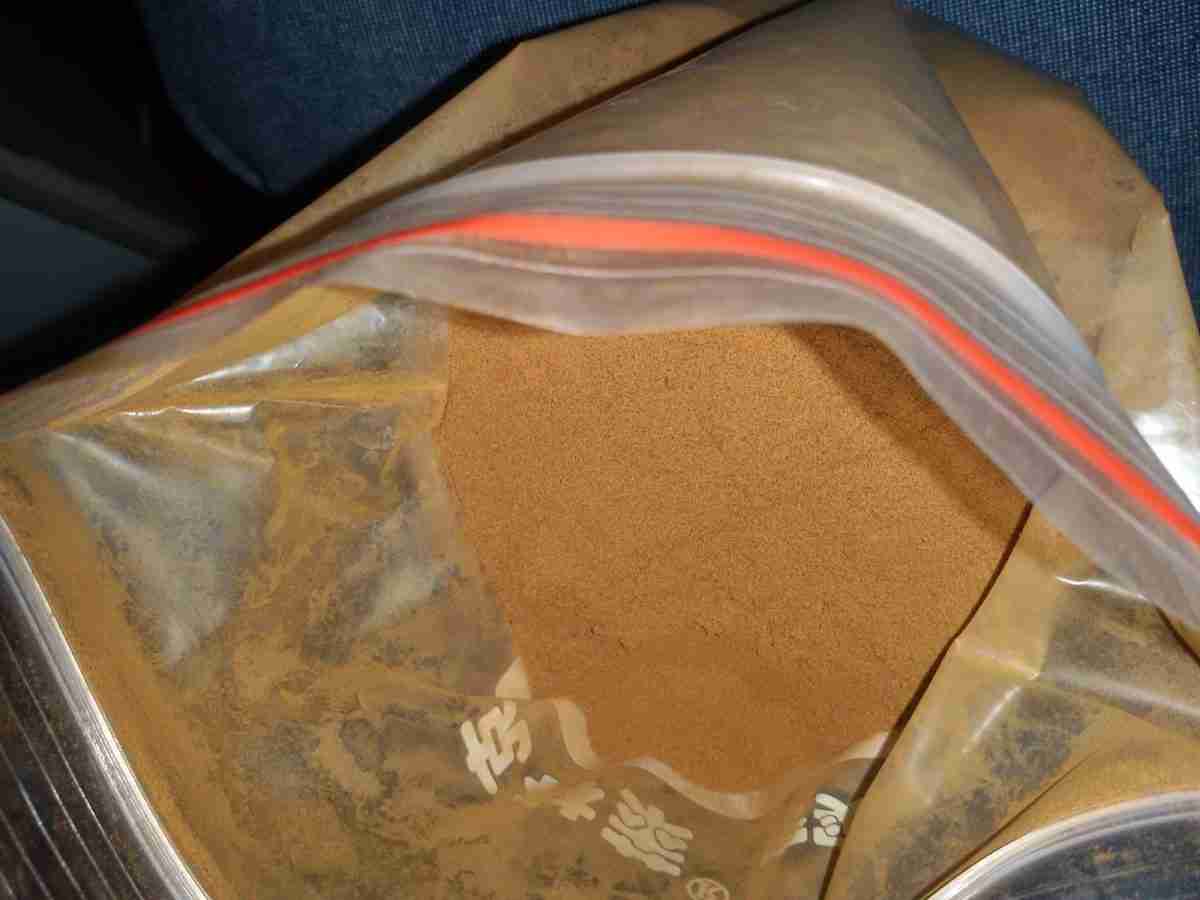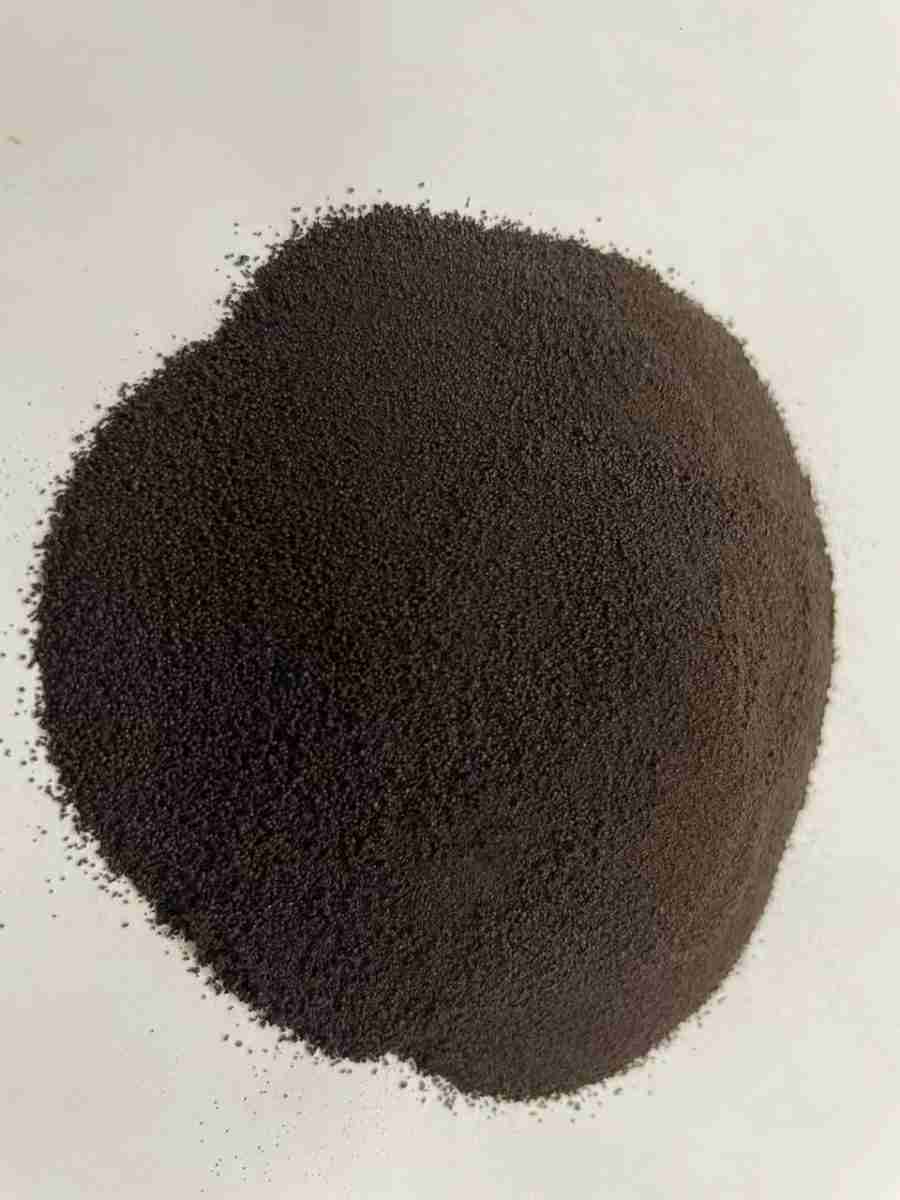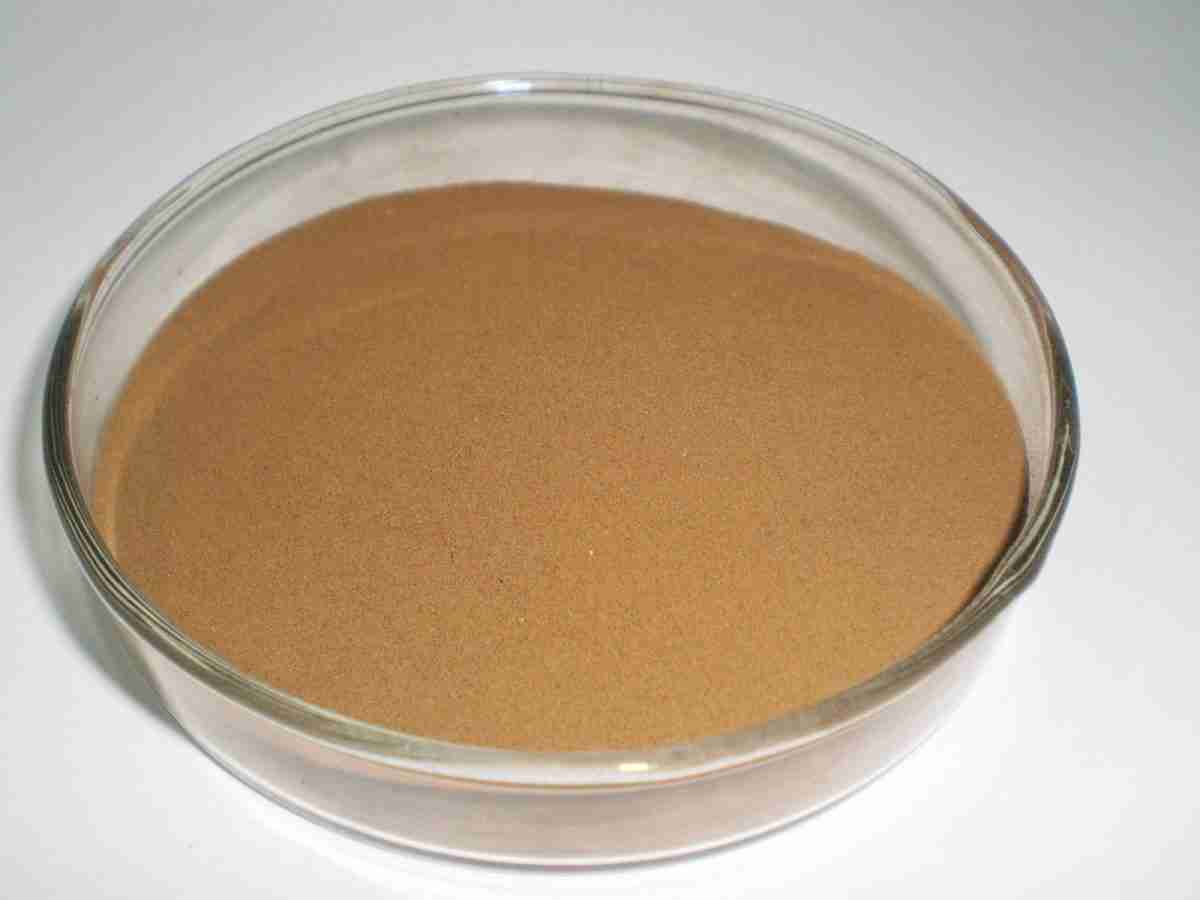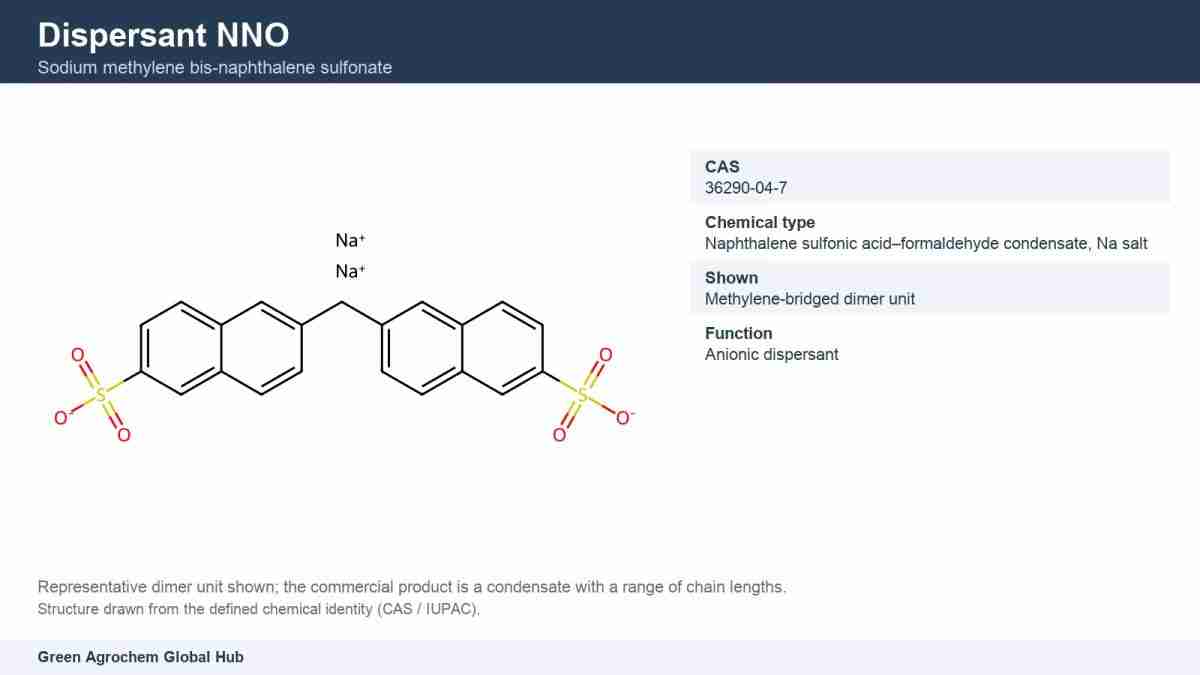


Sodium naphthalene formaldehyde (SNF), also called sodium naphthalene sulfonate formaldehyde condensate, polynaphthalene sulfonate (PNS) or NSF, is a synthetic anionic polymer supplied mainly as a brown, water-soluble powder. Its biggest use is as a high-range water reducer (superplasticizer) for concrete. It is also used as a dispersant in gypsum, dyes, leather auxiliaries and other aqueous slurries. This page explains how SNF powder is made, how grades differ and what to check when buying it.
How SNF is made
- Sulfonation: naphthalene is reacted with sulfuric acid to give naphthalene sulfonic acid.
- Condensation: the sulfonic acid is condensed with formaldehyde to build the polymer chain. The degree of condensation sets the molecular weight and therefore the dispersing power.
- Neutralisation: the acid polymer is neutralised with sodium hydroxide. Sodium sulphate forms as a by-product, and its residual level is what distinguishes the commercial grades.
- Drying: the solution is spray-dried to a free-flowing powder, or sold as a liquid.
Grades: sodium sulphate is the key difference
Typical values from Green Agrochem’s current TDS documents (CAS 36290-04-7). Batch results are on the COA.
| Grade | Sodium sulphate (Na2SO4) | Chloride | Cement paste fluidity | Solids | pH |
|---|---|---|---|---|---|
| SNF-5 (GAC-SNF-5) | 5% max | 0.4% max | 220 mm min | 91% min | 7 – 9 |
| SNF-10 (GAC-SNF-10) | 10% max | 0.4% max | 220 mm min | 91% min | 7 – 9 |
| SNF-18 (GAC-SNF-18) | 18% max | 0.5% max | 210 mm min | 91% min | 7 – 9 |
| SNF-20 (GAC-SNF-20) | 20% max | 0.5% max | 210 mm min | 91% min | 7 – 9 |
| Powder grade, high solids (GAC-SNF-P) | 10% max | Below 200 ppm | Not listed | 95% min | 6.5 – 8.5 (1:10) |
Low-sulphate grades suit liquid admixture blending and cold climates, where sulphate can crystallise out of solution, as well as dye and pigment uses. Higher-sulphate grades are cheaper per kg but carry less active polymer.
Performance in concrete
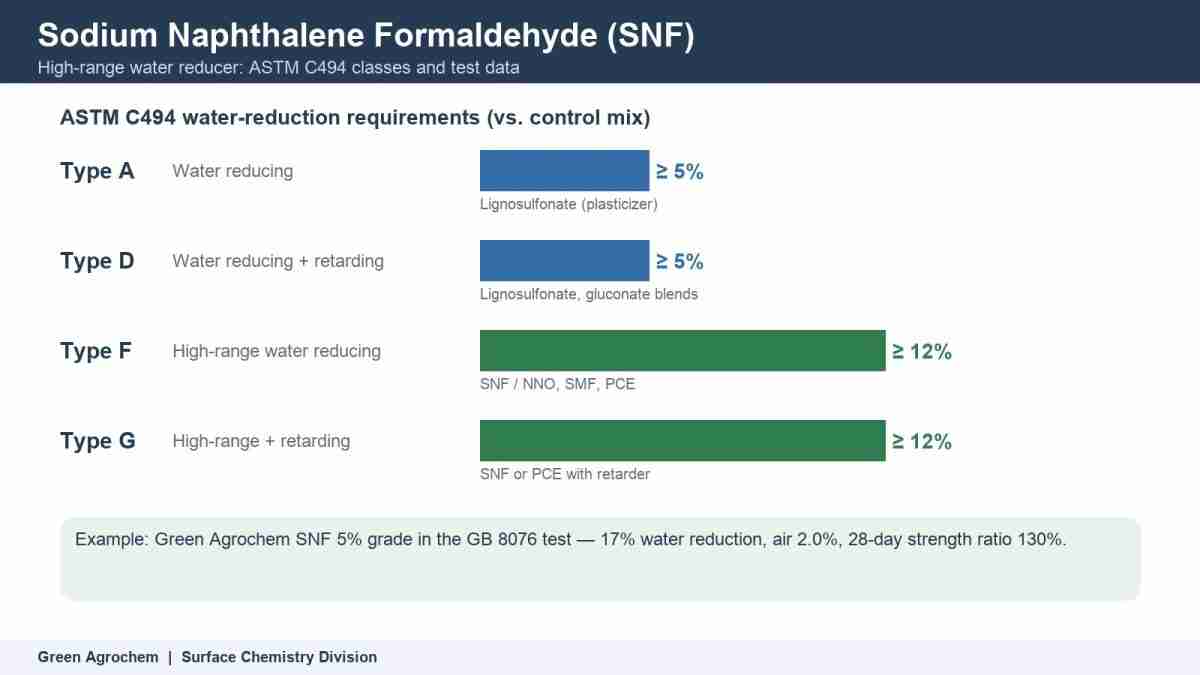
- Classification: SNF admixtures are normally tested as high-range water reducers: ASTM C494 Type F (≥12% water reduction against a control) or the EN 934-2 superplasticizer class.
- What the TDS states: the GAC-SNF-P TDS gives water reduction of up to 20%, with higher slump at a lower water-cement ratio.
- Trade-offs: slump loss is faster than with polycarboxylate (PCE) superplasticizers, and dosage response depends on the cement. Run trial mixes for water reduction at equal slump, slump retention, setting time, air content and strength.
Dosage
The current TDS gives a supplier-recommended starting trial range of 0.5–1.0% powder by weight of cementitious material, with 0.75% as the first trial point. Dissolve the powder in water first or add it with the mixing water, then confirm the working dose by trial mixes with your own cement, aggregates and other admixtures. Detailed steps: how to use SNF in concrete.
Other uses
- Gypsum board and plasters: reduces slurry water and drying energy
- Dyes, pigments and leather: dispersant and levelling aid; low-sulphate grades preferred
- Pesticide formulations: dispersant in wettable powders (WP), water-dispersible granules (WG) and suspension concentrates
- Oil-well cement, ceramics and other mineral slurries: dispersant
What Drives SNF Powder Price
- Sulphate grade: SNF-5 contains more active polymer than SNF-18 or SNF-20, so it costs more per kilogram but may cost less per unit of performance.
- Raw materials: naphthalene, sulfuric acid and formaldehyde prices move the market.
- Packing and volume: 25 kg bags versus 500–600 kg jumbo bags, and full-container orders.
- Freight and destination: sea freight and import duties can be a large share of the delivered price.
Compare offers on price per kilogram of active polymer and on a concrete or cement-paste test with your own cement. For a quotation, see the SNF product page.
Buyer checklist
- Sodium sulphate grade, solids and chloride on the TDS and COA
- Cement-paste fluidity or a mortar/concrete test on your cement
- Free formaldehyde and SDS classification for the destination market
- Packaging (25 kg woven bags; 500 kg or 600 kg jumbo bags) and moisture protection: the powder is hygroscopic; shelf life typically 12 months in the original packing under dry conditions
Related
SNF product page · How to use SNF in concrete · concrete admixture grades and trials: LigninCorp SNF.
Frequently Asked Questions
What is SNF powder?
SNF powder is sodium naphthalene sulfonate formaldehyde condensate, a brown water-soluble anionic polymer used mainly as a high-range water reducer (superplasticizer) for concrete and as a dispersant for gypsum, dyes, pesticides and other slurries.
What is the difference between SNF-5, SNF-10, SNF-18 and SNF-20?
The number is the maximum sodium sulfate content in percent. Lower-sulfate grades contain more active polymer and suit liquid admixtures, dyes and cold climates; higher-sulfate grades cost less per kilogram.
What is the dosage of SNF in concrete?
Our TDS gives a starting trial range of 0.5–1.0% powder by weight of cementitious material, with 0.75% as the first trial point. Confirm the working dose by trial mixes with your own cement and aggregates.
Is SNF the same as PNS or NSF?
Yes. SNF, PNS (polynaphthalene sulfonate), NSF and sodium naphthalene sulfonate formaldehyde condensate are names for the same type of product. Its CAS number is 36290-04-7.
What affects the price of SNF powder?
Mainly the sodium sulfate grade (active content), naphthalene raw material cost, packing, order volume and freight. Compare offers on the price per kilogram of active polymer, not only per kilogram of powder.