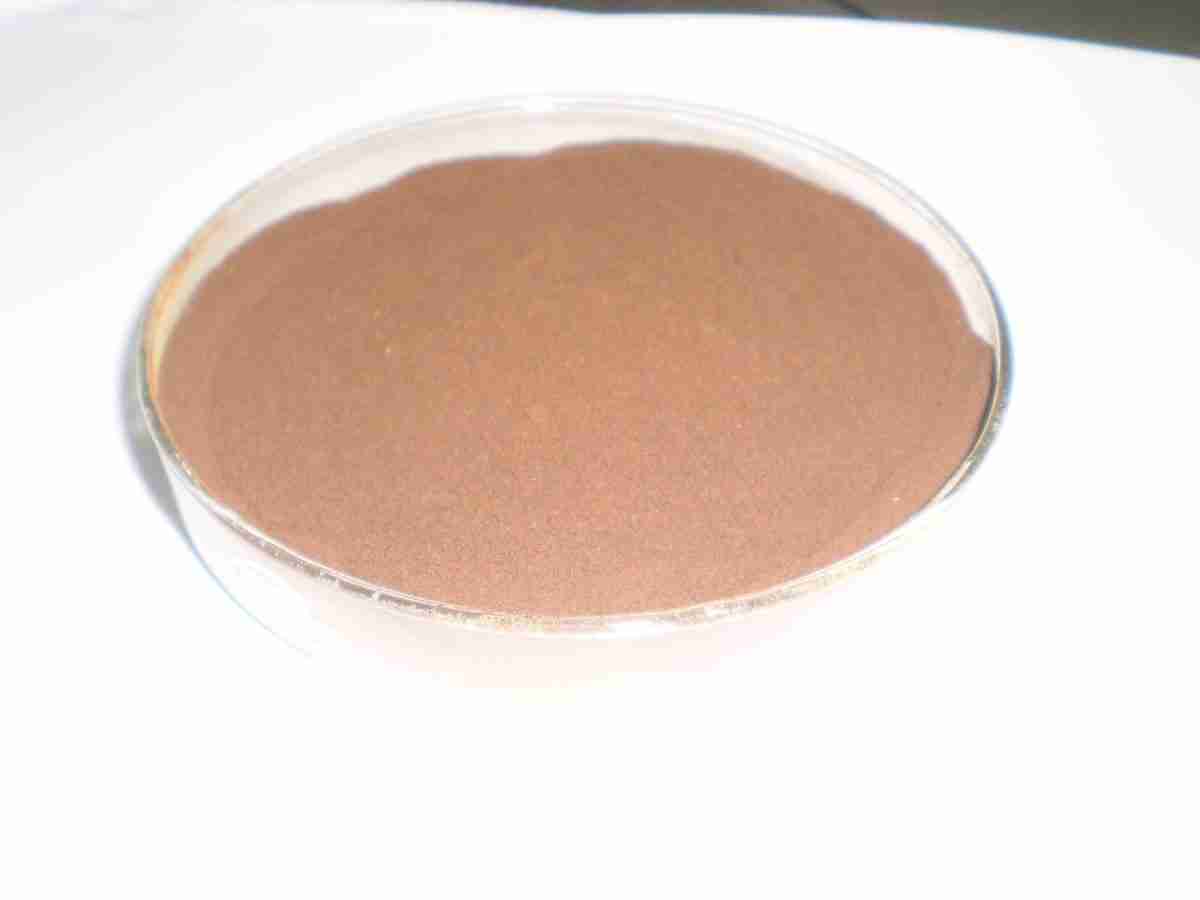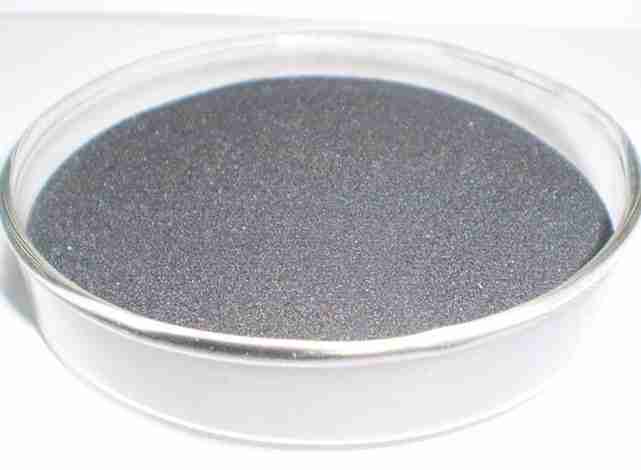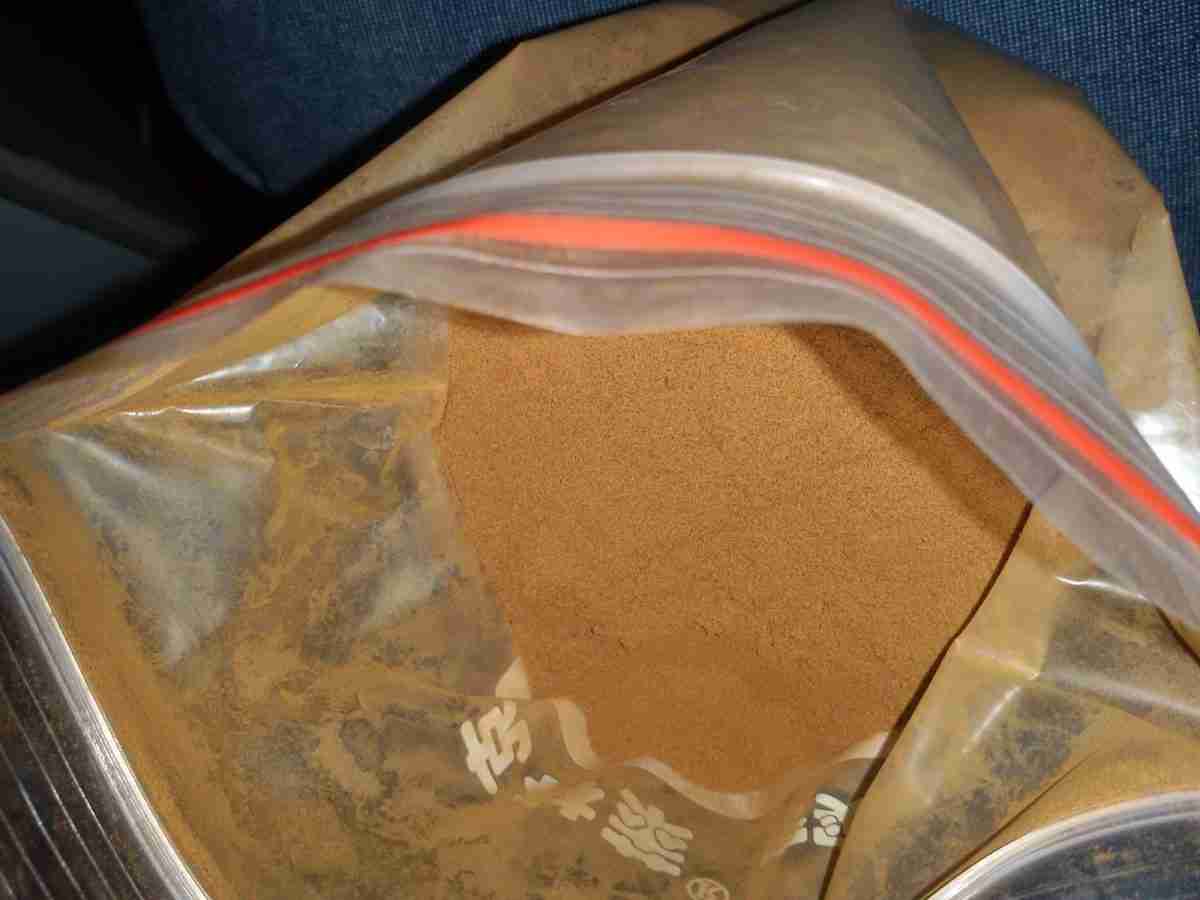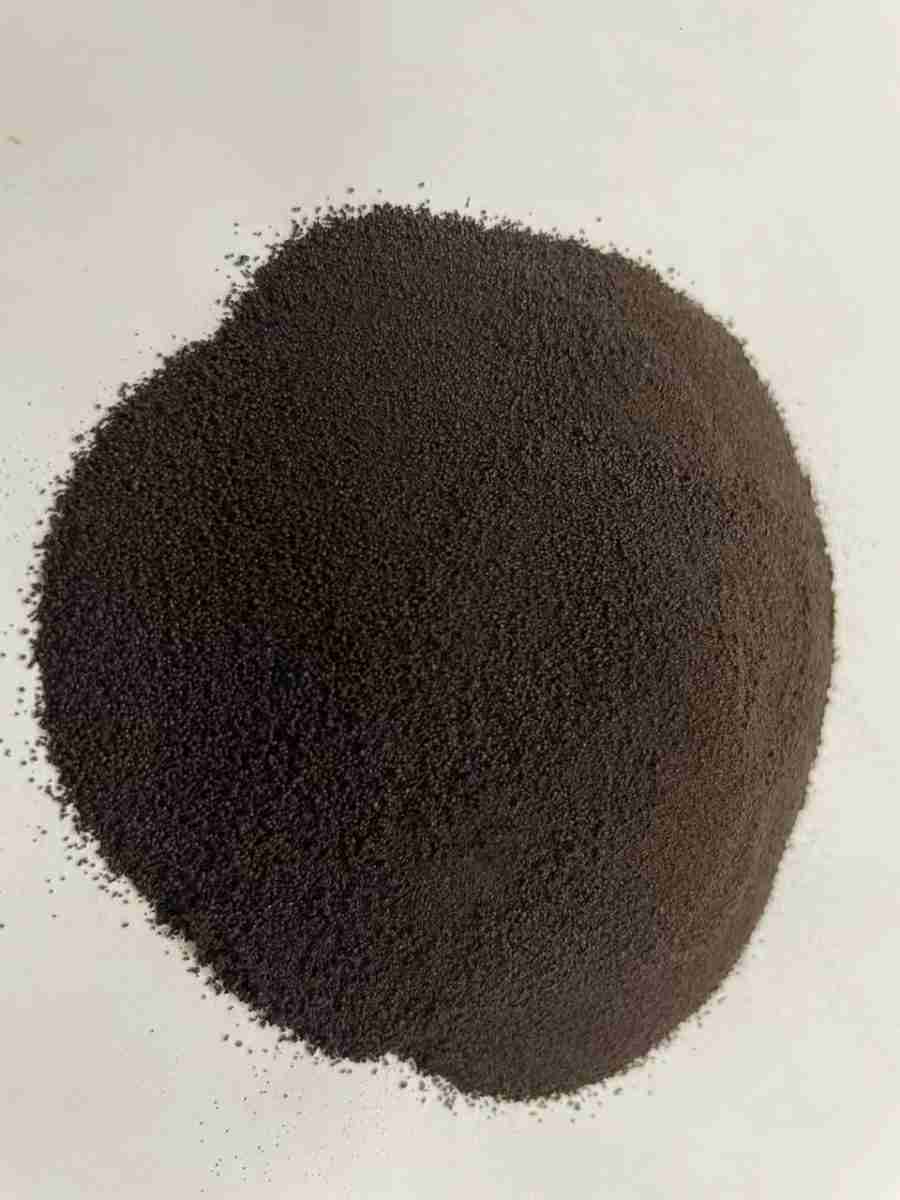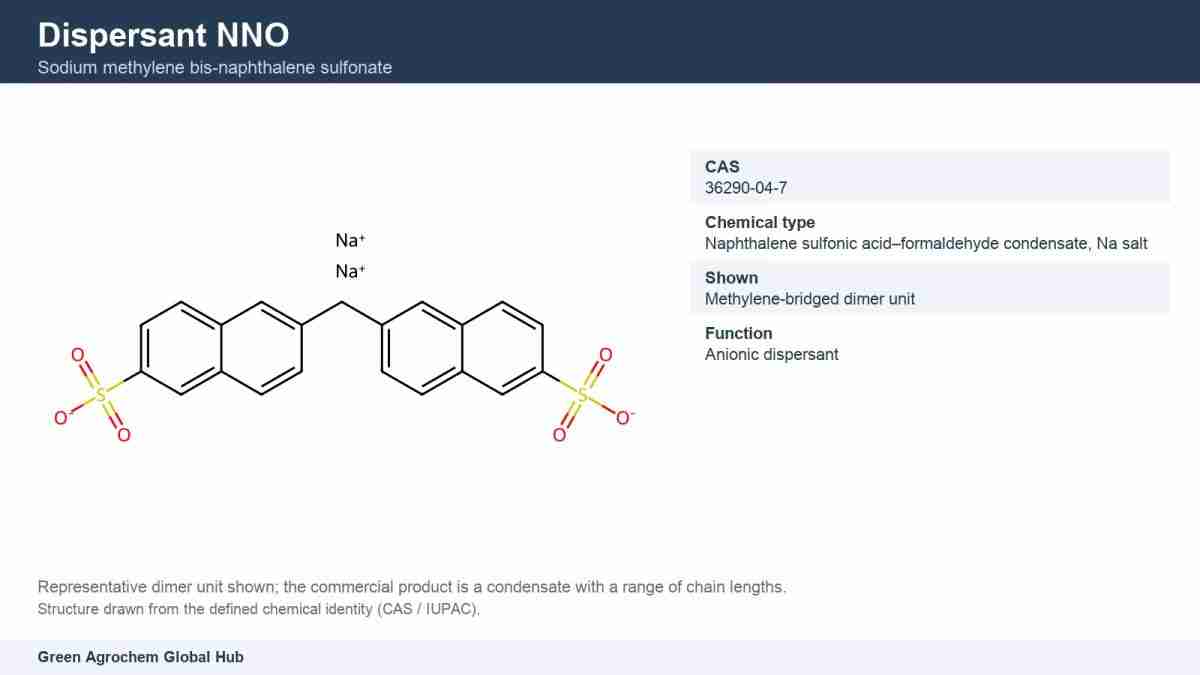

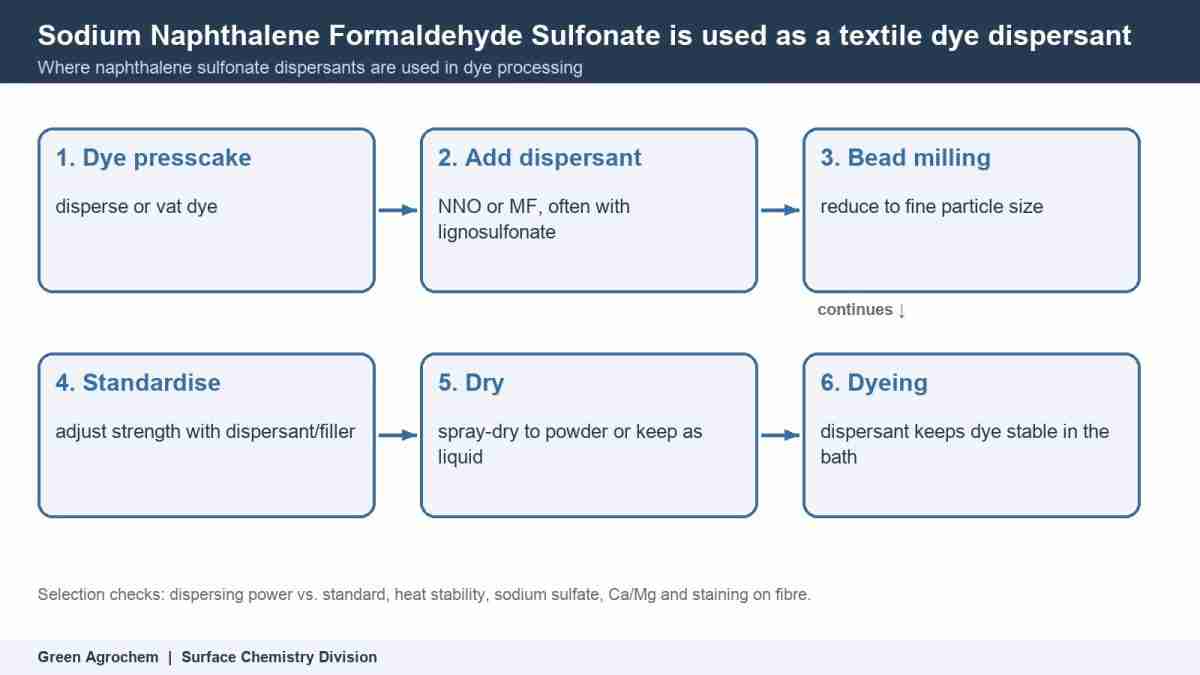
Sodium naphthalene formaldehyde sulfonate, sold to dyehouses as Dispersant NNO, keeps disperse and vat dye particles evenly spread in the dyebath. This page is a practical guide: where it goes in the process, how to set the amount, and how to test it. For what the product is and which grade to buy, see sodium naphthalene sulfonate as a textile dispersant.
Where It Goes in the Process
| Step | Role |
|---|---|
| Dye manufacture (milling) | Grinding and standardising aid for disperse and vat dye powders |
| Dyebath preparation | Added with the dye to keep particles dispersed as the bath heats |
| High-temperature polyester dyeing | Helps keep the dispersion stable at dyeing temperature |
| Pigment printing and padding | Keeps pigment evenly dispersed in the paste or liquor |
Setting the Amount
There is no single correct dose: it depends on the dye, its existing dispersant content, liquor ratio, water hardness and temperature. Start from the dye maker’s or supplier’s recommendation and adjust using the tests below.
Tests to Run
- Dispersion stability: hold the dye liquor at dyeing temperature and check for settling or specks.
- Filter test: pass the liquor through filter paper and look for retained particles.
- Shade and levelness on a lab dyeing compared with your current dispersant.
- Foam in the machine.
Common Problems
| Problem | Possible cause |
|---|---|
| Specks or spots | Dye agglomeration; too little dispersant or poor heat stability |
| Uneven shade | Unstable dispersion or fast dye uptake |
| Foam | Combination with other auxiliaries |
For high-temperature work, Dispersant MF is often compared with NNO: NNO vs MF vs lignosulfonate. Dye-house grades: Dispersant NNO for dye processing.
Frequently Asked Questions
How is sodium naphthalene formaldehyde sulfonate used in dyeing?
As a dispersant (Dispersant NNO) added with disperse or vat dyes to keep the dye particles evenly dispersed in the bath and in printing pastes.
How much dispersant NNO is used in a dyebath?
It depends on the dye, liquor ratio, water and temperature. Start from the dye or supplier recommendation and adjust using dispersion and levelness tests.
How do I test a dye dispersant?
Check dispersion stability at dyeing temperature, run a filter test, compare shade and levelness on lab dyeings, and check foam.