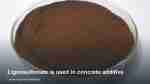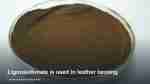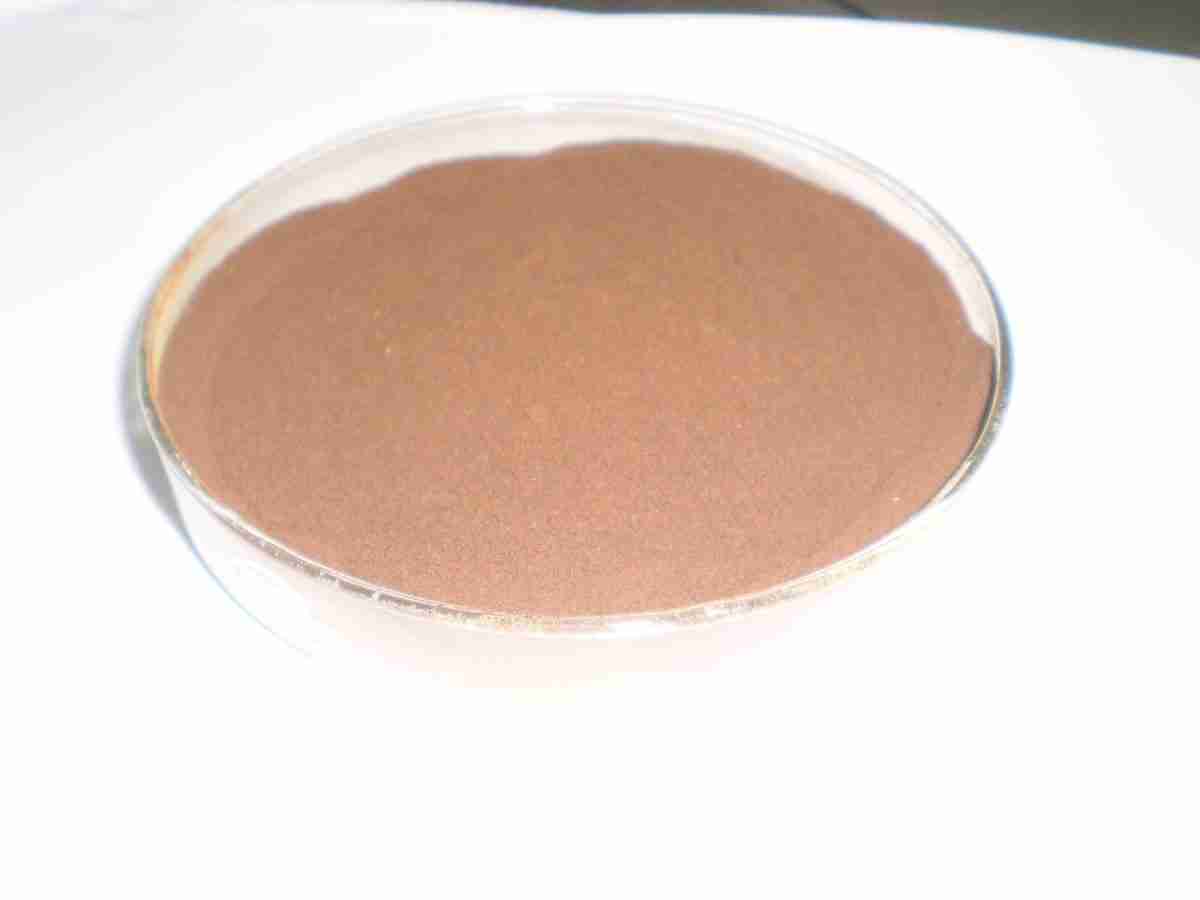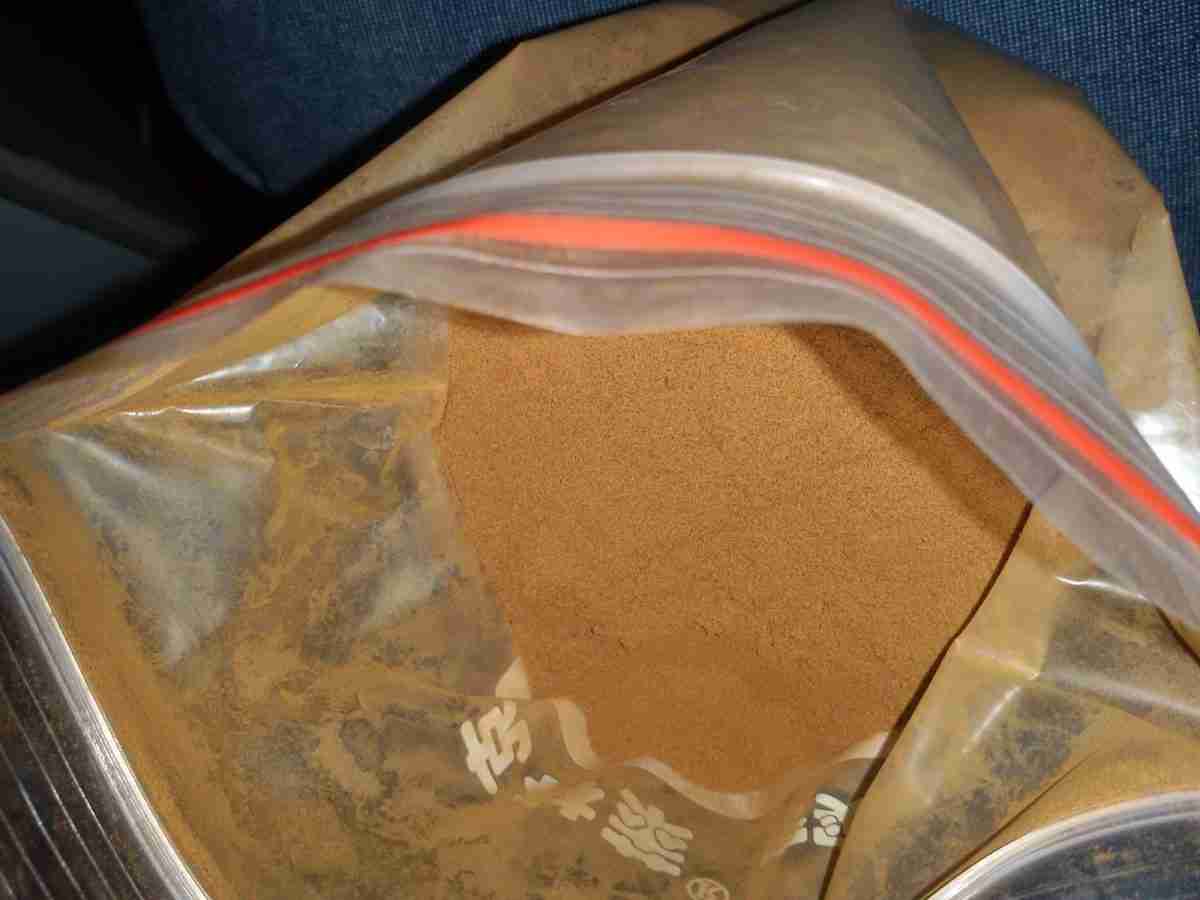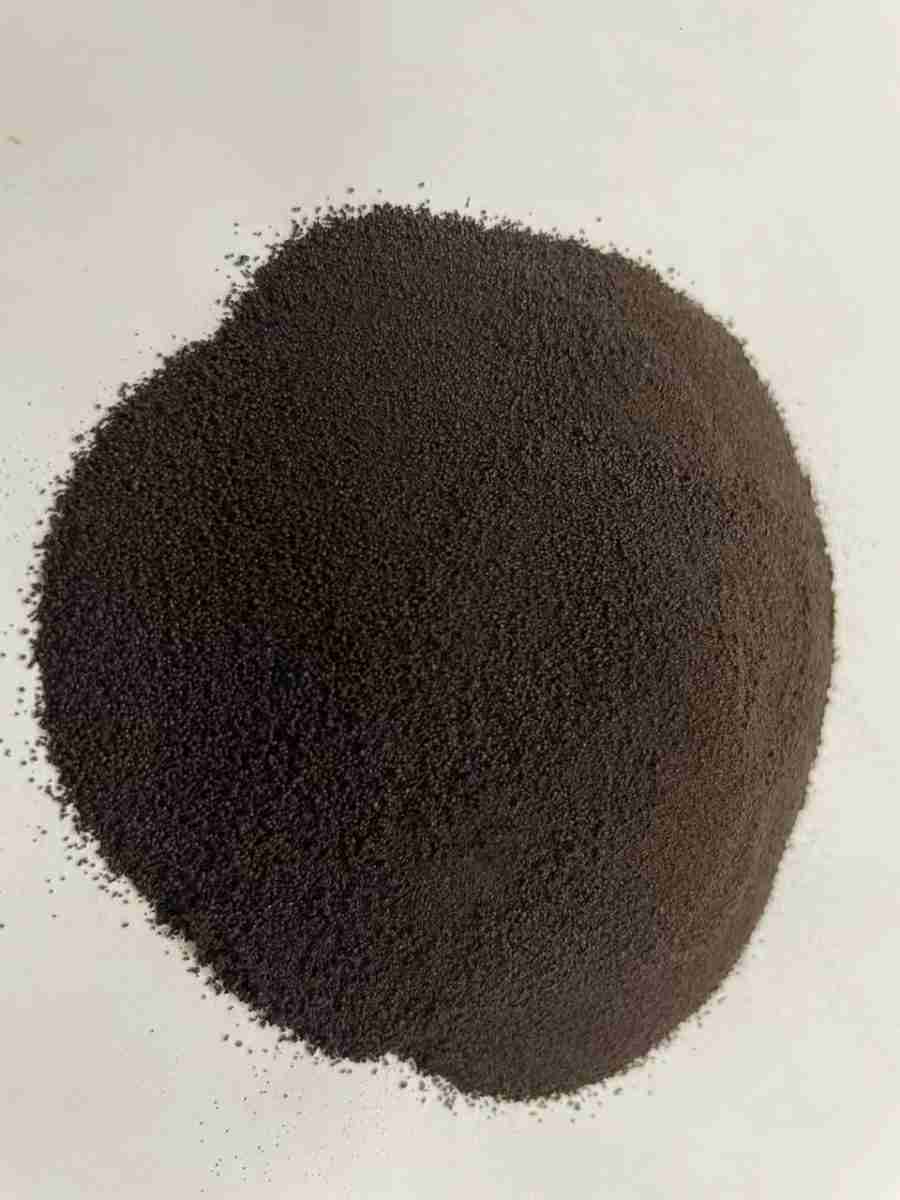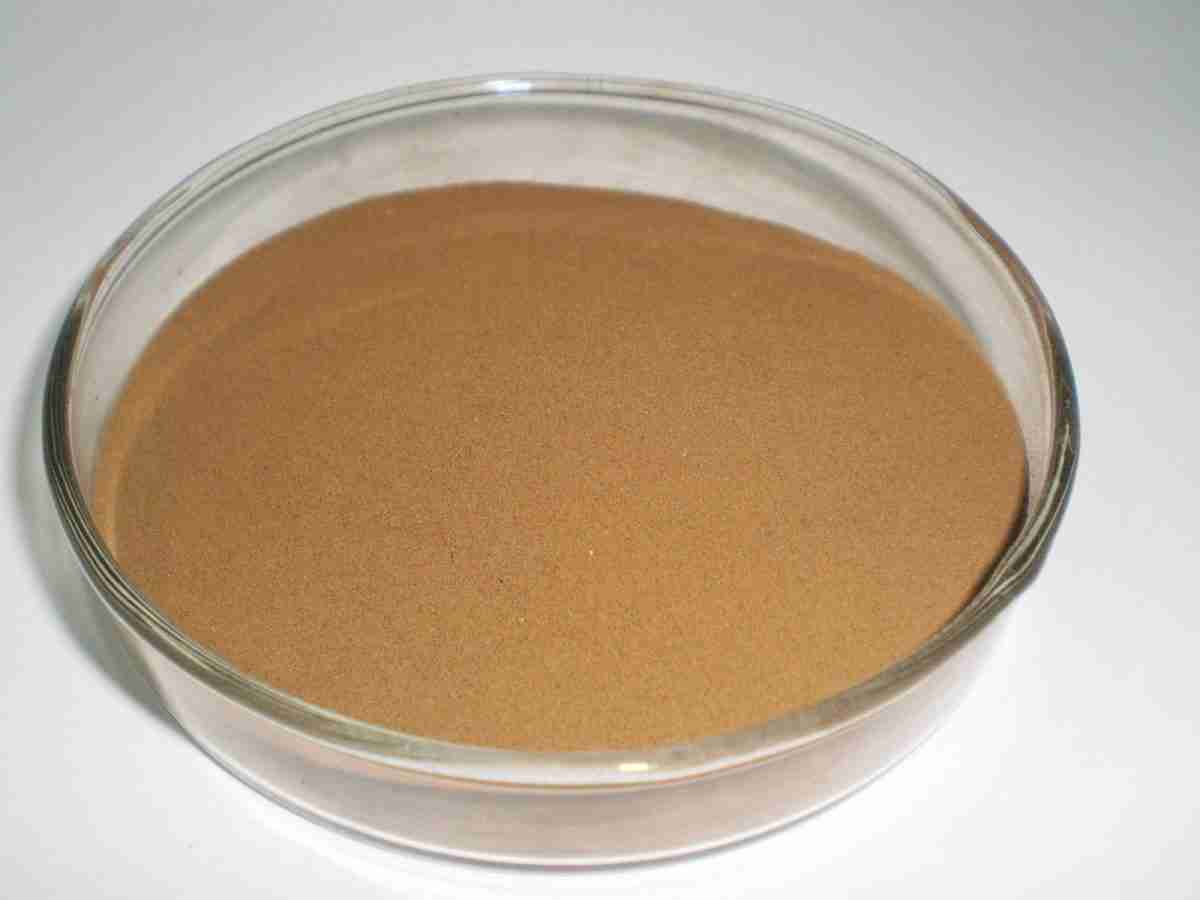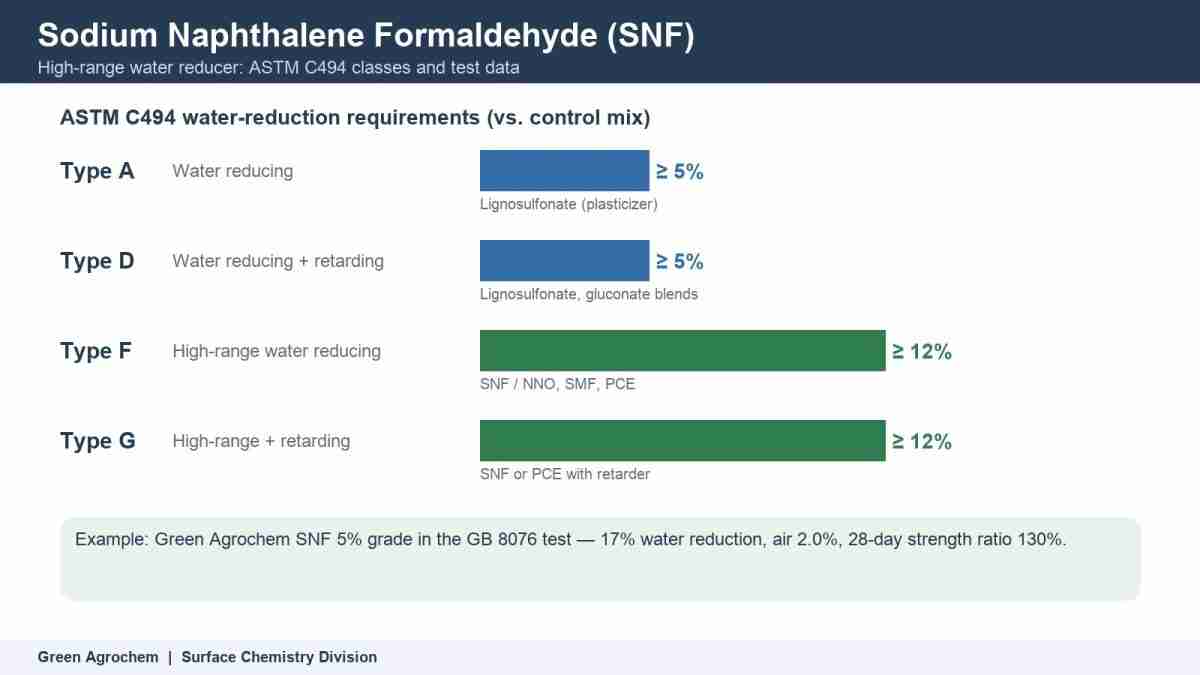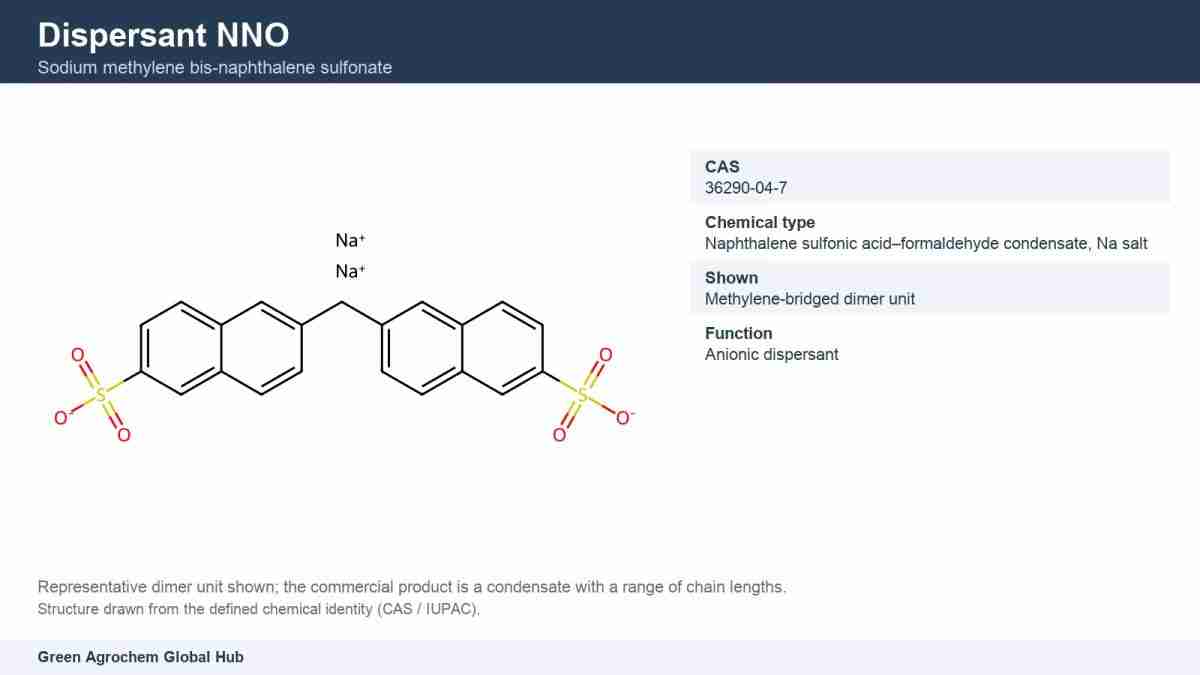

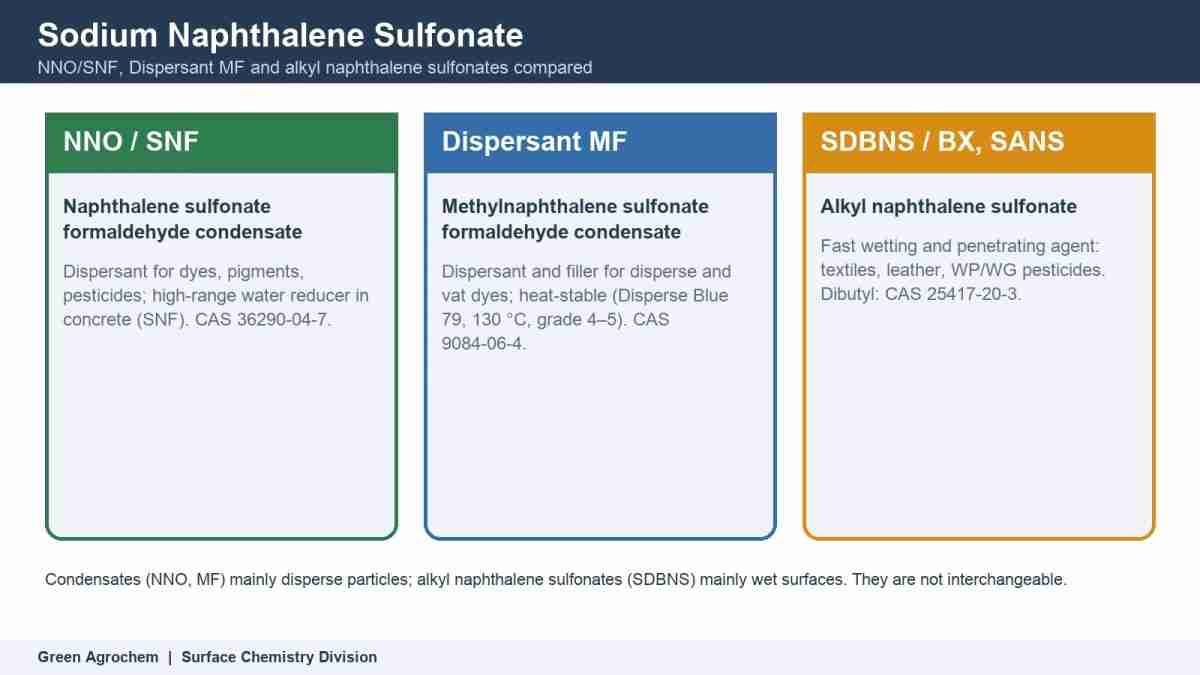
In industry, “sodium naphthalene sulfonate” usually means sodium naphthalene sulfonate formaldehyde condensate (SNF or PNS), a brown, water-soluble powder used as a dispersant and concrete water reducer. Strictly, the name also covers the small monomer salt (sodium 2-naphthalenesulfonate), which is a different product; the difference is explained in sodium naphthalene sulfonate: monomer or condensate. This page covers the condensate: what it is used for, which grade fits each use, and the specifications to ask for.
Uses of Sodium Naphthalene Sulfonate
| Use | What it does | Grade usually chosen |
|---|---|---|
| Concrete and precast | High-range water reducer: more flow at the same water, or less water at the same flow | SNF-5 to SNF-20; low-sulfate grades for liquid admixtures |
| Dry-mix mortar, grout, gypsum | Disperses cement or gypsum, lowers water demand | Powder grades |
| Oil-well cement | Disperses cement slurries | Grade set by slurry tests |
| Dyes and pigments | Keeps dye and pigment particles dispersed (sold as Dispersant NNO) | NNO grades |
| Leather | Dispersant in tanning and dyeing | NNO or SNF grades |
| Agrochemicals | Dispersant in wettable powders and granules | Dispersant grades, tested in the formulation |
Grades and Specifications
For the SNF grades used in construction, the main difference is sodium sulfate content:
| Grade | Sodium sulfate (Na2SO4) | Chloride (Cl–) | Cement paste fluidity | Solids | pH |
|---|---|---|---|---|---|
| SNF-5 (GAC-SNF-5) | 5% max | 0.4% max | 220 mm min | 91% min | 7 – 9 |
| SNF-10 (GAC-SNF-10) | 10% max | 0.4% max | 220 mm min | 91% min | 7 – 9 |
| SNF-18 (GAC-SNF-18) | 18% max | 0.5% max | 210 mm min | 91% min | 7 – 9 |
| SNF-20 (GAC-SNF-20) | 20% max | 0.5% max | 210 mm min | 91% min | 7 – 9 |
| Powder Grade, high solids (GAC-SNF-P) | 10% max | Below 200 ppm | Not listed | 95% min | 6.5 – 8.5 (1:10) |
Test data, dosage and TDS downloads are on the SNF product page.
How to Choose a Grade
- Making a liquid admixture: choose a low-sulfate grade (SNF-5 or SNF-10). Sodium sulfate can crystallise out of concentrated solutions in cold storage.
- Dosing powder directly into concrete or dry mix: the 18% and 20% grades are commonly used and cost less.
- Dyes, pigments or agrochemicals: ask for a dispersant grade (NNO) and test it in your formulation.
- Compare offers on the same basis: sodium sulfate, chloride, solids and the fluidity test method.
Specifications to Ask For
- TDS for the exact grade, with limits and test methods.
- A recent batch COA.
- SDS with the CAS number used for that product.
- Packaging (25 kg bags or 500–600 kg jumbo bags) and shelf life.
Suppliers
We supply the grades listed above; send your application and target grade through the LigninCorp SNF superplasticizer product page.
Frequently Asked Questions
What is sodium naphthalene sulfonate used for?
Mainly as a concrete superplasticizer and as a dispersant for cement, gypsum, dyes, pigments, leather and agrochemical formulations.
Is sodium naphthalene sulfonate the same as SNF?
In trade usage, yes: it usually means the formaldehyde condensate (SNF, PNS). The monomer salt sodium 2-naphthalenesulfonate is a different, small molecule.
Which grade should I buy for a liquid admixture?
A low-sulfate grade such as SNF-5 (5% max sodium sulfate) or SNF-10, because sodium sulfate can crystallise from concentrated solutions at low temperature.
Is sodium naphthalene sulfonate the same as Dispersant NNO?
They are the same chemical family. NNO is the name used for dispersant grades sold to the dye and pigment industries.