
Lignin is an irregular, three-dimensional aromatic polymer built from phenylpropane units. Plants make it from three alcohols, called monolignols, which link through ether and carbon–carbon bonds into a cross-linked network with no repeating pattern. This page explains lignin’s building blocks, its bonds and functional groups, why it has no single chemical formula and how its structure differs between softwood, hardwood and grasses.
- Basic unit: phenylpropane (C6–C3): an aromatic ring with a three-carbon side chain.
- Building blocks: p-coumaryl, coniferyl and sinapyl alcohol, giving H, G and S units.
- Main bond: β-O-4 aryl ether; also 5-5, β-5, β-β, 4-O-5 and β-1 bonds.
- Shape: amorphous, branched and cross-linked; not a linear chain like cellulose.
- Formula: none for the whole polymer; it is described by its monolignols and C9-unit averages.
For what lignin does in plants, see what is lignin; for how it compares with cellulose and hemicellulose, see lignin vs cellulose.
Building Blocks: The Three Monolignols
| Monolignol | Formula | Unit in lignin | Methoxy groups on the ring |
|---|---|---|---|
| p-Coumaryl alcohol | C9H10O2 | p-Hydroxyphenyl (H) | None |
| Coniferyl alcohol | C10H12O3 | Guaiacyl (G) | One (position 3) |
| Sinapyl alcohol | C11H14O4 | Syringyl (S) | Two (positions 3 and 5) |
All three share the same skeleton: a benzene ring with a hydroxyl group at position 4 and a three-carbon side chain ending in an alcohol group. They differ only in how many methoxy (–OCH3) groups sit on the ring. Small amounts of other units, such as 5-hydroxyconiferyl alcohol, also occur in some plants.
How the Units Are Linked
The plant oxidises monolignols in the cell wall with peroxidase and laccase enzymes. The resulting radicals couple almost at random, so the polymer grows in many directions and forms several kinds of bonds:
| Linkage | Type | Notes |
|---|---|---|
| β-O-4 (β-aryl ether) | Ether | The most common bond in all lignins; easiest to break in pulping and depolymerization |
| β-5 (phenylcoumaran) | Carbon–carbon + ether ring | Common in softwood (G-rich) lignin |
| β-β (resinol) | Carbon–carbon | Common in hardwood (S-rich) lignin |
| 5-5 (biphenyl) | Carbon–carbon | Branch point between two aromatic rings; mostly in softwood |
| 4-O-5 (diaryl ether) | Ether | Links two aromatic rings through oxygen |
| β-1 | Carbon–carbon | Minor linkage |
Carbon–carbon bonds are much harder to break than ether bonds. Because syringyl units have both ring positions next to the hydroxyl occupied by methoxy groups, they cannot form 5-5 bonds, so S-rich hardwood lignin is less cross-linked and easier to pulp than G-rich softwood lignin.
Functional Groups
- Methoxy groups (–OCH3): on G and S rings; their number per unit is a quick indicator of the S/G ratio.
- Phenolic hydroxyl groups: on free ring positions; they drive reactivity with formaldehyde and alkali and increase during pulping.
- Aliphatic hydroxyl groups: on the side chains.
- Carbonyl and carboxyl groups: fewer in native lignin; more after oxidation or processing.
- Sulfonate groups (–SO3–): absent from native lignin; added in sulfite pulping, which is what makes lignosulfonates water-soluble.
Why Lignin Has No Single Chemical Formula
Unlike cellulose, which repeats one glucose unit, lignin forms by random radical coupling. Every lignin molecule has a different size, sequence and branching, so there is no exact molecular formula or fixed molecular weight. Chemists characterise it instead by:
- the ratio of H, G and S units (the S/G ratio);
- the frequency of each linkage, measured by NMR or degradation methods;
- an average elemental formula per C9 phenylpropane unit; and
- the molecular weight distribution of the isolated lignin, which depends heavily on the isolation method.
Lignin Structure in Softwood, Hardwood and Grasses
| Plant group | Main units | Structural consequence |
|---|---|---|
| Softwoods (gymnosperms, e.g. pine, spruce) | Almost all G, a little H | More 5-5 and β-5 bonds; more condensed and harder to remove |
| Hardwoods (dicot angiosperms, e.g. oak, eucalyptus, birch) | G and S | More β-O-4 and β-β bonds; easier to pulp |
| Grasses and straw (monocots, e.g. wheat, corn, bamboo) | G, S and H | Also contains p-coumarate and ferulate groups that link lignin to hemicellulose |
Where Lignin Sits in the Cell Wall
Lignin is deposited last, after cellulose and hemicellulose, mainly in the secondary walls of xylem tracheids, vessels and fibres. It fills the spaces between cellulose microfibrils and bonds covalently to hemicellulose, forming lignin–carbohydrate complexes. Its highest concentration is in the middle lamella, the layer that cements neighbouring cells. In the lab, lignified walls are made visible with the phloroglucinol–HCl (Wiesner) stain, which turns them red.
How Structure Affects Use
- Pulping: kraft and sulfite processes work by breaking β-O-4 bonds; carbon–carbon bonds survive, which is why isolated lignins are more condensed than native lignin.
- Solubility: the large cross-linked network is insoluble in water; see solvents in which lignin is soluble.
- Properties: colour, glass transition and reactivity of isolated lignins depend on their structure; see lignin properties.
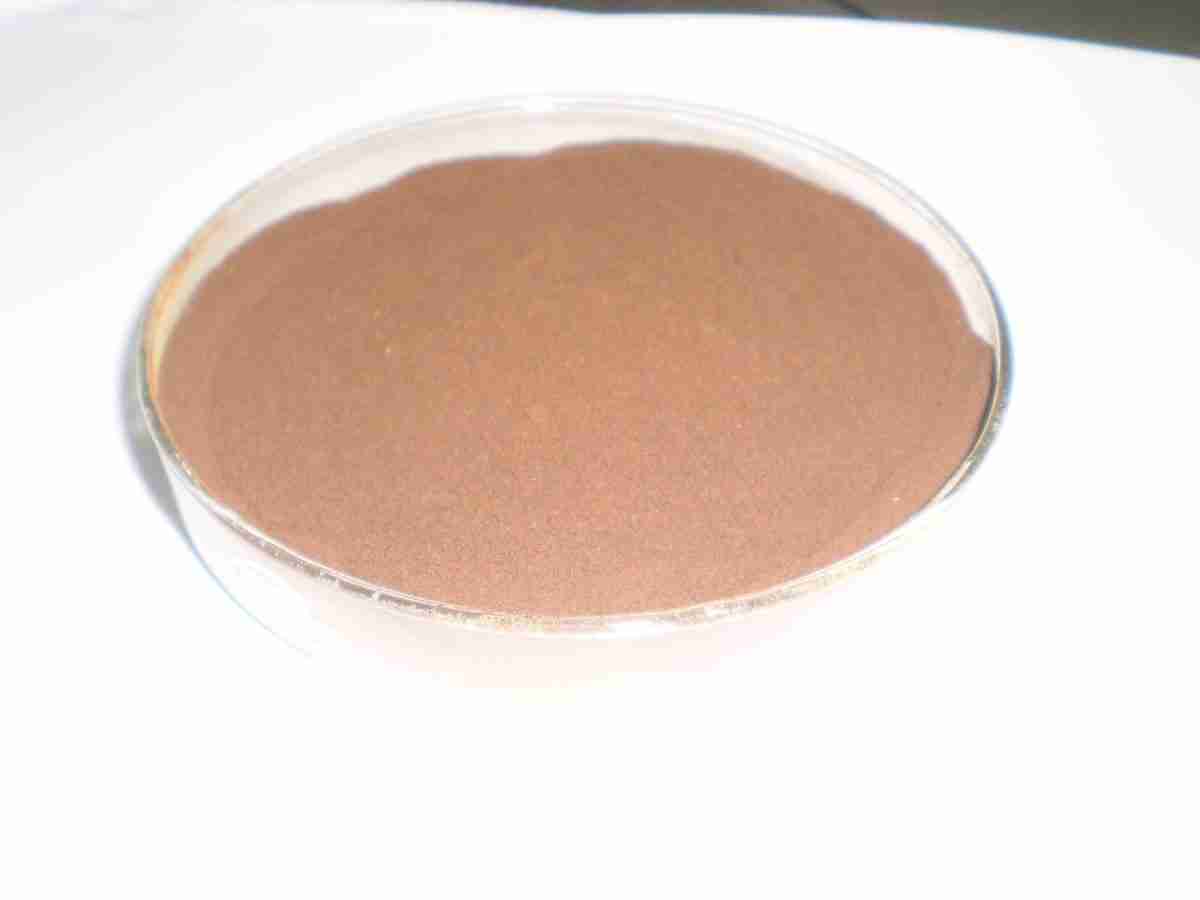
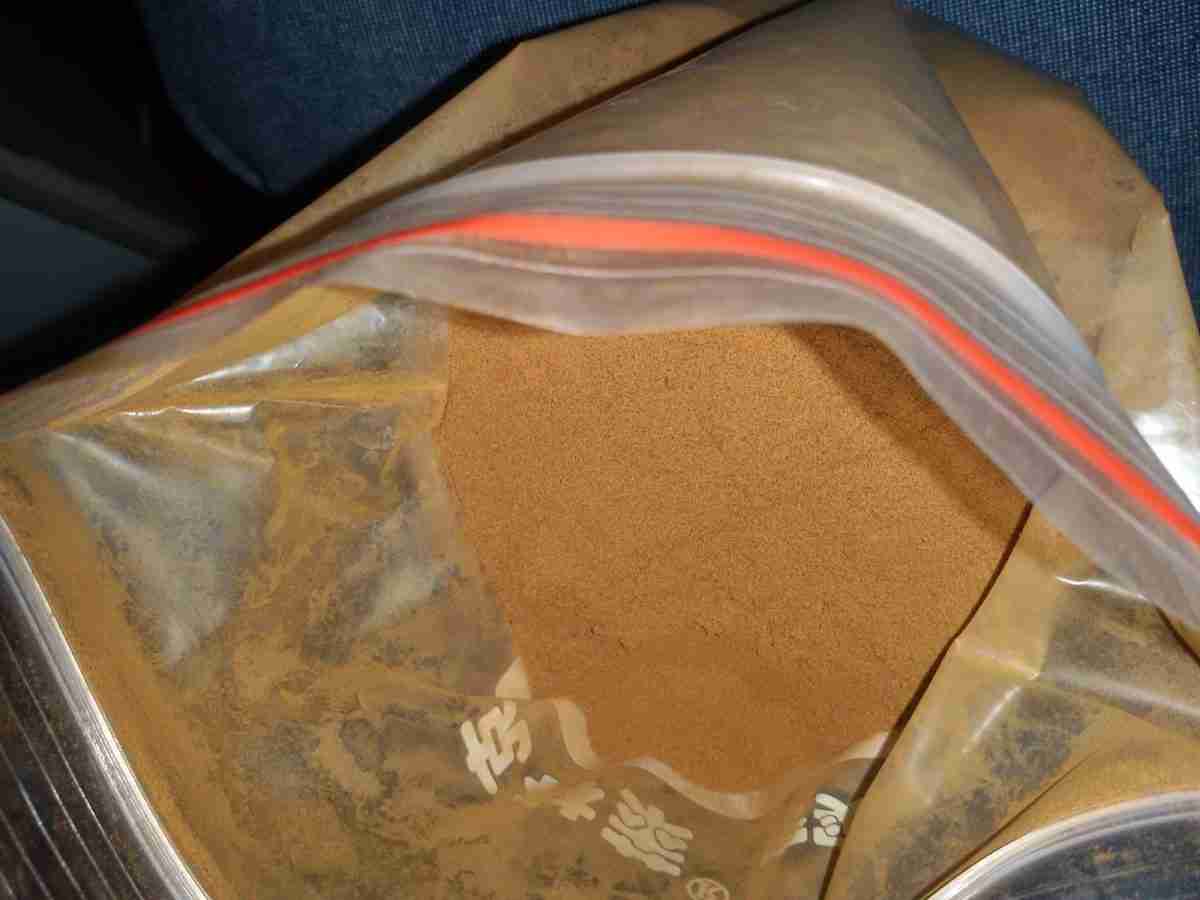
- Products: phenolic groups make lignin useful in resins and binders, and sulfonated lignin is used as a dispersant; see our lignin powder.
Frequently Asked Questions
What is the structure of lignin?
Lignin is an irregular, three-dimensional polymer built from phenylpropane (C6–C3) units. The units come from three monolignols, p-coumaryl, coniferyl and sinapyl alcohol, which form H, G and S units, joined mainly by β-O-4 ether bonds plus several carbon–carbon bonds.
What is lignin made of?
Lignin is made of three aromatic alcohols called monolignols: p-coumaryl alcohol, coniferyl alcohol and sinapyl alcohol. In the polymer they become p-hydroxyphenyl (H), guaiacyl (G) and syringyl (S) units.
What is the chemical formula of lignin?
Lignin has no single chemical formula because it is an irregular polymer of variable size. Chemists describe it by its building blocks: p-coumaryl alcohol C9H10O2, coniferyl alcohol C10H12O3 and sinapyl alcohol C11H14O4, or by an average formula per C9 phenylpropane unit.
What is the most common bond in lignin?
The β-O-4 (β-aryl ether) bond. It is the main linkage in both softwood and hardwood lignin and is the bond broken in most pulping and lignin depolymerization processes.
Where is lignin found in the cell wall?
Mainly in the secondary cell wall, between cellulose microfibrils and hemicellulose, and in the middle lamella between cells, where its concentration is highest.