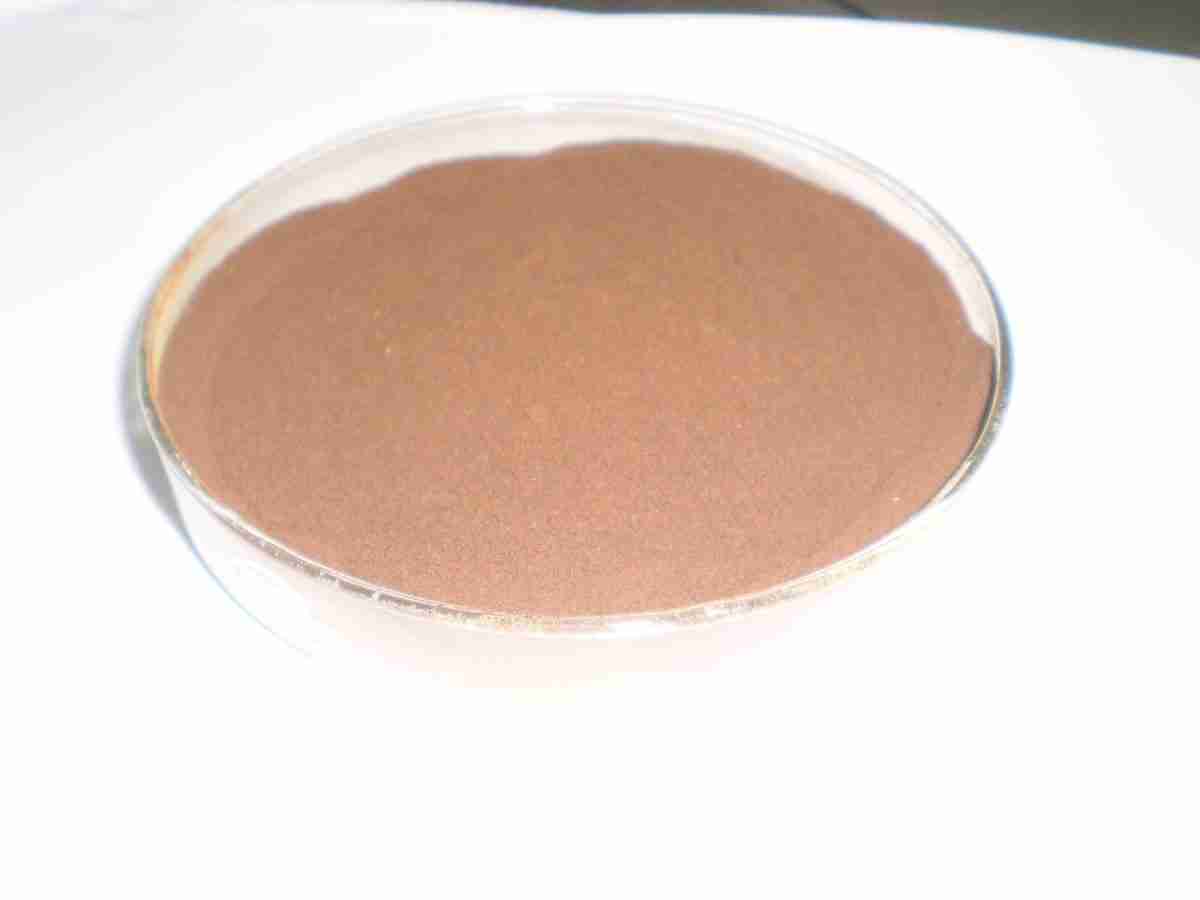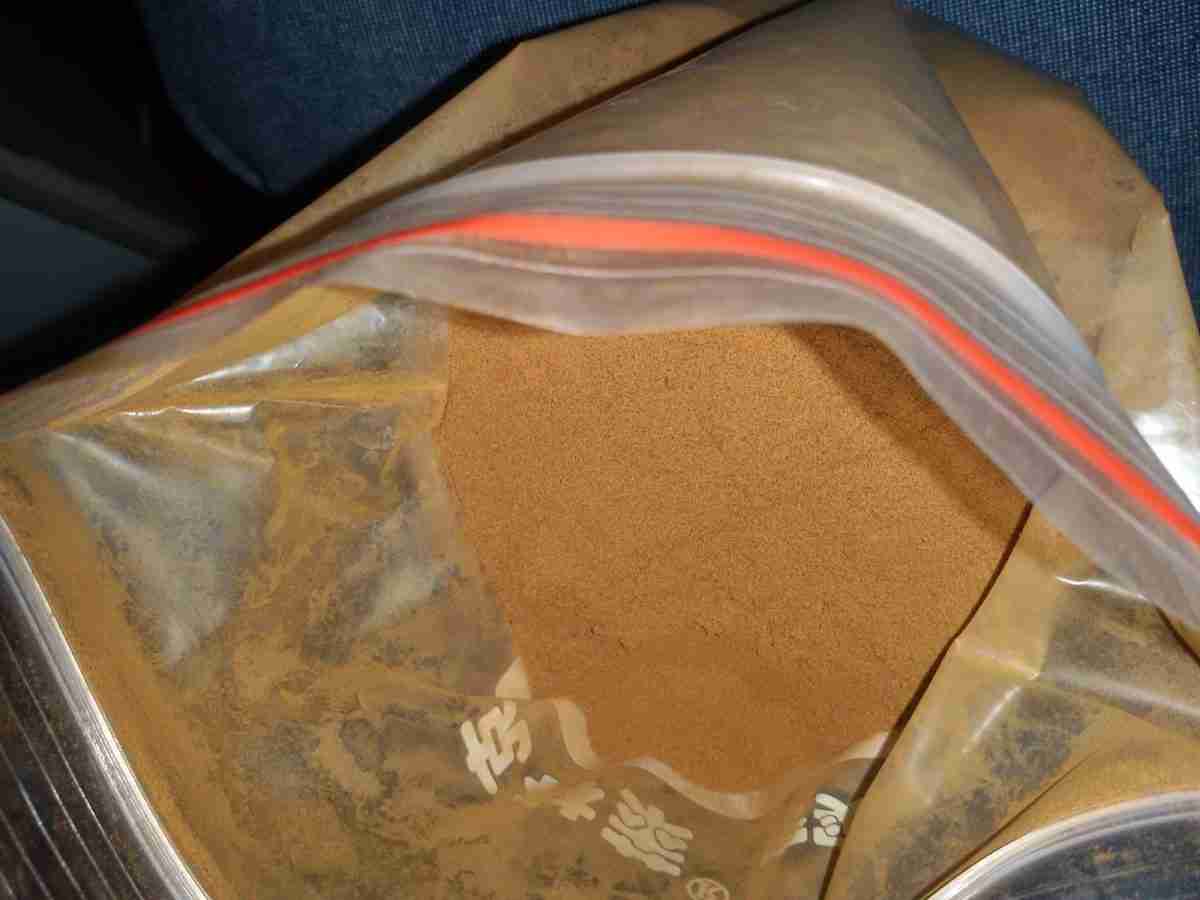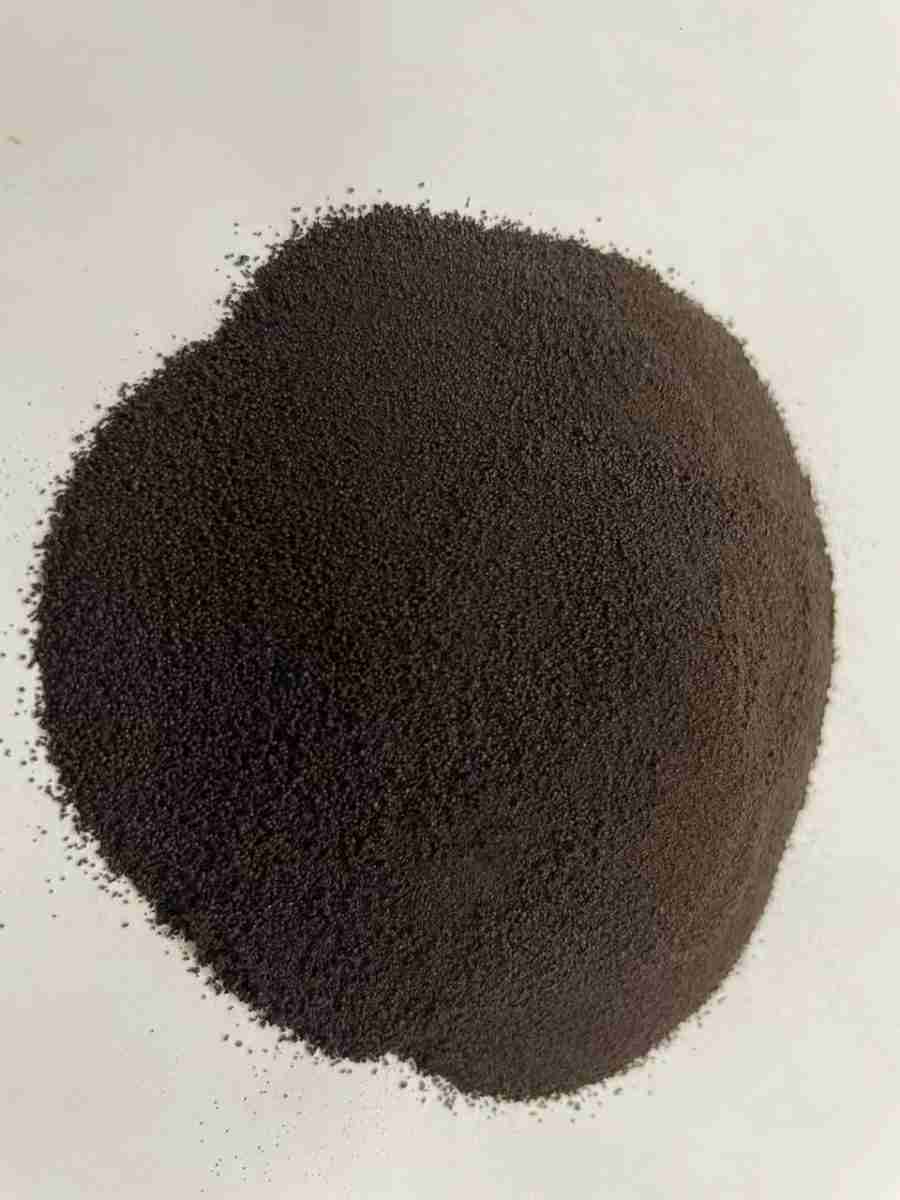

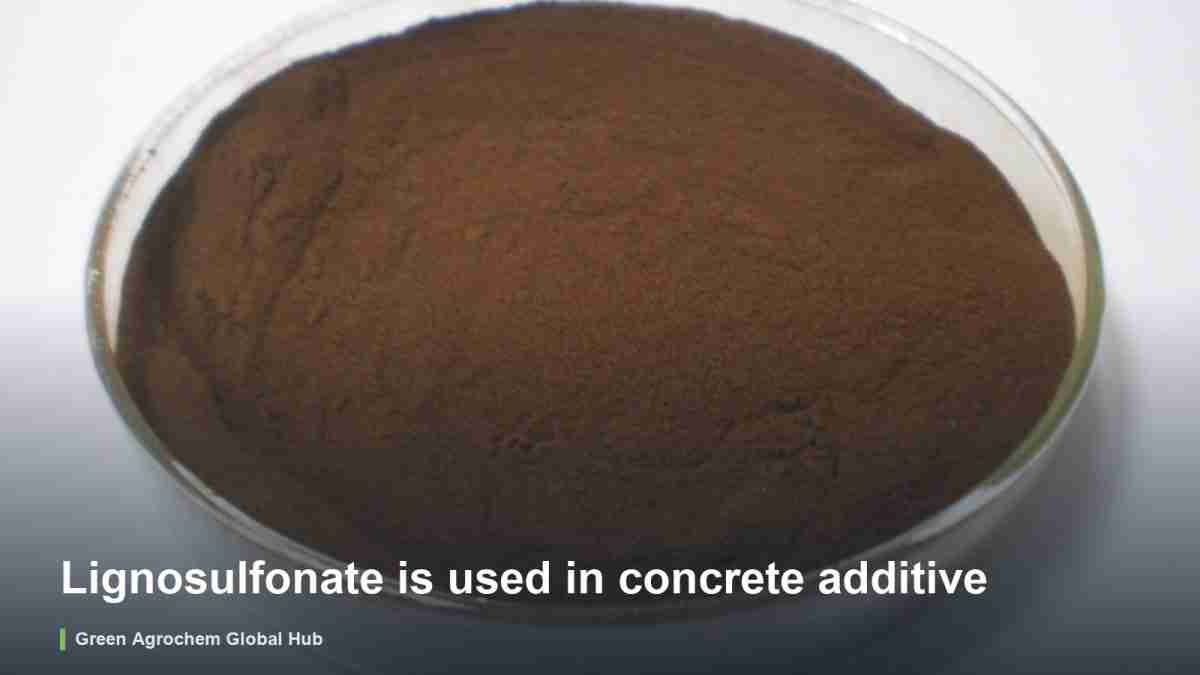
Lignosulfonates, sometimes called lignosulphonates, are incredibly useful materials added to concrete to make it better in many ways. They come from the wood and paper industry, specifically as a byproduct when wood is processed using the sulfite pulping method. This process breaks down lignin, a natural component of wood, into a water-soluble substance that can be mixed into concrete. Lignosulfonates are popular because they’re affordable, work well, and are considered environmentally friendly since they’re made from a renewable resource. They’re used as plasticizers (to make concrete flow better), water reducers (to use less water), set retarders (to slow down hardening), and sometimes even help add tiny air bubbles to concrete.
What Lignosulfonates Do in Concrete
Lignosulfonates are like a multitasking helper for concrete. They improve the mix in several key ways, making it easier to work with and stronger once it hardens. Here’s a closer look at their main jobs:
- Cutting Down on Water: One of the biggest benefits of lignosulfonates is that they let you use less water in the concrete mix—usually 5-15% less—while keeping the mix easy to pour and shape. Using less water is a big deal because it makes the concrete stronger and more durable. Too much water in a mix creates tiny holes (like pores in skin) that can weaken the concrete, make it crack, or let things like water, salts, or chemicals seep in and cause damage over time. By reducing water, lignosulfonates help create a denser, tougher concrete that lasts longer and stands up better to harsh conditions like freezing winters or salty environments near the ocean.
- Making Concrete Easier to Work With: Lignosulfonates make fresh concrete smoother and more fluid, so it’s easier to pour, spread, and shape. Think of it like stirring a thick soup: without lignosulfonates, the concrete can be clumpy and hard to move, but with them, it flows nicely. This is super helpful for:
- Fancy shapes: When concrete needs to fill detailed molds for things like decorative walls or curved beams.
- Pumping: When concrete is pumped through long hoses to high or far places, like in tall buildings or bridges.
- Smooth finishes: For projects where the concrete surface needs to look good, like floors or exposed walls. They do this by spreading out the tiny cement particles in the mix, preventing them from sticking together and making the whole mix more consistent.
- Slowing Down Hardening: Lignosulfonates can slow down how fast concrete hardens, which is called set retardation. This is really useful in certain situations:
- Hot weather: When it’s hot outside, concrete can harden too quickly, making it hard to work with. Lignosulfonates give workers more time to pour and finish it.
- Big projects: For huge structures like dams or thick foundations, you don’t want the concrete to set too fast because it could form weak spots (called cold joints) where new concrete meets older, partially set concrete.
- Long hauls: If concrete is mixed at a plant and trucked far away, lignosulfonates keep it workable until it reaches the site. This slowing effect happens because lignosulfonates stick to the cement particles and slow down the chemical reactions that make concrete harden.
- Adding Tiny Air Bubbles: Sometimes, lignosulfonates add a small amount of air (about 1-3%) to the concrete mix. These tiny air bubbles help the concrete handle freezing and thawing, which is a big issue in cold places. When water inside concrete freezes, it expands and can crack the concrete. The air bubbles give the water room to expand without causing damage. While lignosulfonates aren’t the best at adding air (special air-entraining chemicals are better for that), they can still help a bit in this area.
- Keeping the Mix Together: Lignosulfonates stop the concrete from separating, which is when the heavy stuff (like rocks and sand) sinks to the bottom and the water rises to the top (called bleeding). A well-mixed concrete stays uniform, which means it’s stronger and looks better when it’s done. This is especially important for things like precast concrete (where pieces are made in a factory) or when you want a nice, smooth surface for things like sidewalks or building facades.
How Lignosulfonates Work
Imagine concrete as a thick soup with cement, water, sand, and rocks all mixed together. The cement particles tend to stick to each other, making the mix thick and hard to stir. Lignosulfonates disperse the cement particles so the mix flows more easily. They do this in two ways:
- Pushing Particles Apart: Lignosulfonates stick to the cement particles and give them a slight negative charge, like how magnets push away if they have the same charge. This keeps the particles from clumping up.
- Acting Like a Shield: Their long, stringy structure wraps around cement particles, creating a barrier that stops them from sticking together.
Together, these effects make the concrete flow better, use less water, and stay more consistent, which is why lignosulfonates are so helpful.
Why Lignosulfonates Are Great
Lignosulfonates have a lot going for them, which is why they’re used all over the world:
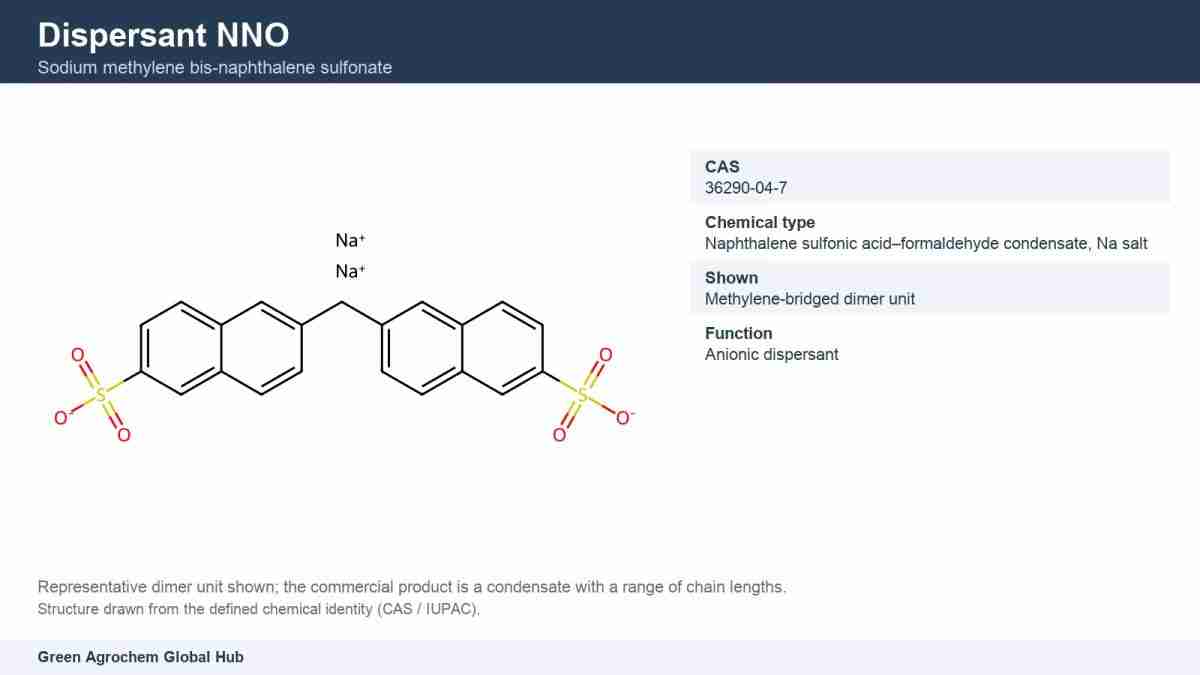
- They’re Cheap: Since they’re a byproduct of making paper, lignosulfonates cost a lot less than fancy synthetic additives (like polycarboxylates or naphthalene-based chemicals). This makes them perfect for big projects where saving money is important, like roads, bridges, or housing developments.
- They’re Green: Lignosulfonates come from wood, a renewable resource, and using them keeps waste from the paper industry out of landfills. This makes them a favorite for eco-friendly construction projects.
- They Play Nice: Lignosulfonates work well with different types of cement and other additives, so they’re super versatile for all kinds of concrete recipes.
- They Make Concrete Last Longer: By cutting down on water and keeping the mix uniform, lignosulfonates help make concrete that resists cracking, weathering, and damage from things like road salt or seawater. This means less repair work and longer-lasting buildings or bridges.
- They’re Easy to Use: Lignosulfonates come as a liquid or powder, and the liquid form is especially easy to mix into concrete at a plant or job site. It blends in quickly and evenly, saving time and effort.
Where Lignosulfonates Fall Short
Even though lignosulfonates are great, they’re not perfect, and there are some things to watch out for:
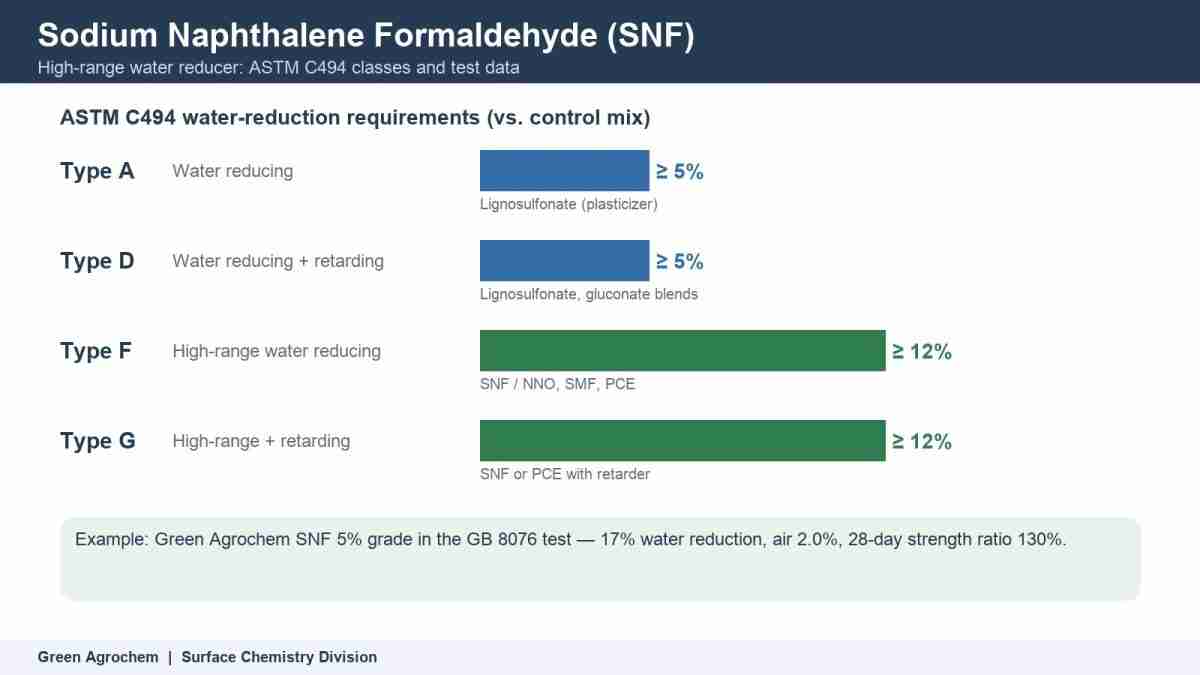
- Not as Strong as Fancy Additives: Lignosulfonates are good at reducing water and improving flow, but newer additives (called plasticizers) like polycarboxylates can cut water by 20-30% or more and make concrete super fluid for high-tech projects, like super-strong concrete for skyscrapers. Lignosulfonates are better for regular projects where you don’t need extreme performance.
- Can Slow Things Down Too Much: If you add too much lignosulfonate, the concrete might take too long to harden, which can mess up schedules, especially in cold weather when concrete already sets slowly. You have to be careful with how much you use.
- Not Always the Same: Lignosulfonates can vary depending on the type of wood or how they were made in the paper mill. This means you might need to test each batch to make sure it works the same way every time.
- Not Great for Lots of Air: If you need a lot of air bubbles in the concrete (like for super-cold climates), lignosulfonates aren’t the best choice. Other chemicals designed specifically for air entrainment do a better job.
- Might Add a Tint: Some lignosulfonates, especially cheaper ones with impurities, can give concrete a slight brownish color. This isn’t a big deal for most projects, but it could be a problem for decorative concrete where looks matter.
Where Lignosulfonates Are Used
Lignosulfonates are used in all sorts of concrete projects because they’re so versatile and affordable. Here are some common examples:
- Ready-Mix Concrete: This is the concrete mixed at a plant and delivered in trucks. Lignosulfonates make it flow better and use less water, which is great for things like house foundations, sidewalks, or office buildings.
- Precast Concrete: Factories use lignosulfonates to make concrete pieces like beams, columns, or wall panels. They help the concrete fill molds perfectly and create smooth surfaces for a nice look and strong structure.
- Big Structures: For huge projects like dams, bridges, or thick foundations, lignosulfonates keep the concrete workable for longer and help control the heat that builds up as the concrete hardens, which prevents cracks.
- Pumped Concrete: When concrete needs to be pumped through hoses to high or far places (like for tall buildings or tunnels), lignosulfonates make it flow smoothly without clogging or separating.
- Eco-Friendly Projects: Because they’re made from wood and reduce waste, lignosulfonates are popular in green construction, like buildings aiming for sustainability certifications or low-carbon concrete mixes.
- Repairs and Grouts: Lignosulfonates are used in repair mortars or grouts to fix cracks or patch old concrete. They make the mix easier to apply and stick better to existing surfaces.
How to Use Lignosulfonates Right
To get the most out of lignosulfonates, you need to use them carefully. Here’s what to keep in mind:
- How Much to Use: You usually add 0.1-0.5% of lignosulfonate by weight of the cement. For example, 0.2-0.3% is good for regular water reduction and flow, while 0.4-0.5% might be used in hot weather to slow things down. Adding too much can make the concrete take too long to set, so measure carefully.
- Liquid or Powder: Lignosulfonates come as a liquid or powder. Liquid is more popular because it mixes in easily and spreads evenly. Powder needs more mixing time to dissolve properly.
- Check Compatibility: Before using lignosulfonates, test them with your cement, sand, rocks, and other additives to make sure they work well together. Sometimes, certain combinations can cause problems like losing flow too fast or adding too much air.
- Quality Matters: Since lignosulfonates can vary from batch to batch, make sure your supplier provides a consistent product. You might need to test each batch to be sure it performs the same way.
- Weather Conditions: In hot weather, lignosulfonates are great because they slow down hardening, but in cold weather, you might need to add something to speed up setting or use less lignosulfonate. In wet conditions, watch out for too much water pooling on the surface.
- Storing Them: Keep liquid lignosulfonates in sealed containers so they don’t evaporate or get contaminated. Store powdered ones in a dry place to avoid clumping.
What’s Happening in the Industry
Lignosulfonates have been used in concrete for a long time because they’re cheap and reliable. But newer, high-tech additives like polycarboxylates have taken over for super-strong or super-fluid concrete, like what’s used in tall skyscrapers or fancy bridges. Still, lignosulfonates are holding strong, especially for projects where saving money or being eco-friendly is a priority.
- Better Versions: Scientists are working on tweaking lignosulfonates to make them work better, like improving how much water they can cut or how well they make concrete flow. This could make them closer to high-tech additives but still cheaper.
- Mixing with Other Additives: Some companies are blending lignosulfonates with small amounts of those high-tech additives to get the best of both worlds—great performance at a lower cost.
- Green Building Boom: As more builders focus on sustainability, lignosulfonates are getting more popular because they’re made from wood and reduce waste. They’re being used in projects aiming for certifications like LEED, especially in places like Europe and North America where eco-rules are strict.
- New Tech Ideas: Researchers are looking at mixing lignosulfonates with tiny particles (like nano-silica) to make concrete even stronger or more durable. This could open up new uses for lignosulfonates in high-tech concrete.
- Recycling Focus: Using lignosulfonates fits with the idea of a circular economy, where waste from one industry (like paper) is used in another (like construction). This is a big deal for reducing environmental impact.
Real-World Examples
- Big Dams: In projects like the Three Gorges Dam in China, lignosulfonates were used to keep huge amounts of concrete workable and control the heat as it hardened, preventing cracks in the massive structure.
- Eco-Friendly Buildings: Lignosulfonates are bio-based by-products, which can lower the embodied carbon of admixtures compared with fully synthetic products.
- Precast Factories: A factory in the U.S. making precast concrete panels found that lignosulfonates helped them get smooth, defect-free surfaces, which saved money on fixes and made their products look better.